Contenido del artículo
If you've spent any time trying to source colored gemstones for a jewelry line, you already know the wholesale gem trade doesn't run like most B2B industries. There's no Amazon Business for natural sapphires. No standardized pricing sheet everyone agrees on. A lot of it still happens on relationships, reputation, and a handshake — which is exactly why so many buyers get burned on their first few purchases.
This guide breaks down what actually matters when you're choosing a wholesale gemstone supplier, and how to make sense of the trade terms you'll run into once you find one worth working with.
Why Vetting Matters More in the Gem Trade Than Almost Anywhere Else
Gemstones are unregulated in a way most products aren't. A "ruby" can mean a heat-treated Mozambique stone worth $40 a carat or an unheated Burmese stone worth $4,000 a carat — and to an untrained eye, they can look nearly identical in a photo. There's no barcode, no serial number, no manufacturer warranty. The only real protections you have are the dealer's reputation, the paper trail behind the stone, and the terms you negotiate before money changes hands.
That's the core reason this guide exists: knowing how to choose a gem wholesaler is arguably more important than knowing how to grade a gemstone yourself, because a dealer worth trusting will stand behind the grading for you.
Step 1: What Makes a Trustworthy Gemstone Dealer
Before you ask about price, ask about paperwork and history. A trusted gemstone dealer should be able to answer these without hesitation:
Do they issue independent lab reports? Reputable suppliers work with labs like GIA, AGL, GRS, or SSEF for anything above a modest price point, rather than relying only on in-house certificates.
Are they a member of a recognized trade body? Look for affiliation with organizations such as AGTA (American Gem Trade Association), ICA (International Colored Gemstone Association), or a national jewelers' association. Membership isn't a guarantee of honesty, but it means there's a code of conduct they're accountable to.
Can they disclose treatments clearly? Heat treatment, diffusion, glass-filling, and dyeing are all common in the trade and not inherently bad — but a supplier who's cagey about disclosure is a red flag.
Do they have a verifiable business history? A physical business address, years in operation, and references from other buyers all matter more than a slick website.
Will they let you inspect before you commit? Serious wholesalers expect buyers to examine stones under magnification, and many will accommodate video calls or in-person viewings for larger orders.
Quick Verification Checklist
Step 2: Sourcing Specific Stones — Sapphires, Rubies, Garnets, and Spinel
Each gemstone category has its own quirks when you're buying wholesale, and a supplier who's strong in one isn't automatically strong in all of them.
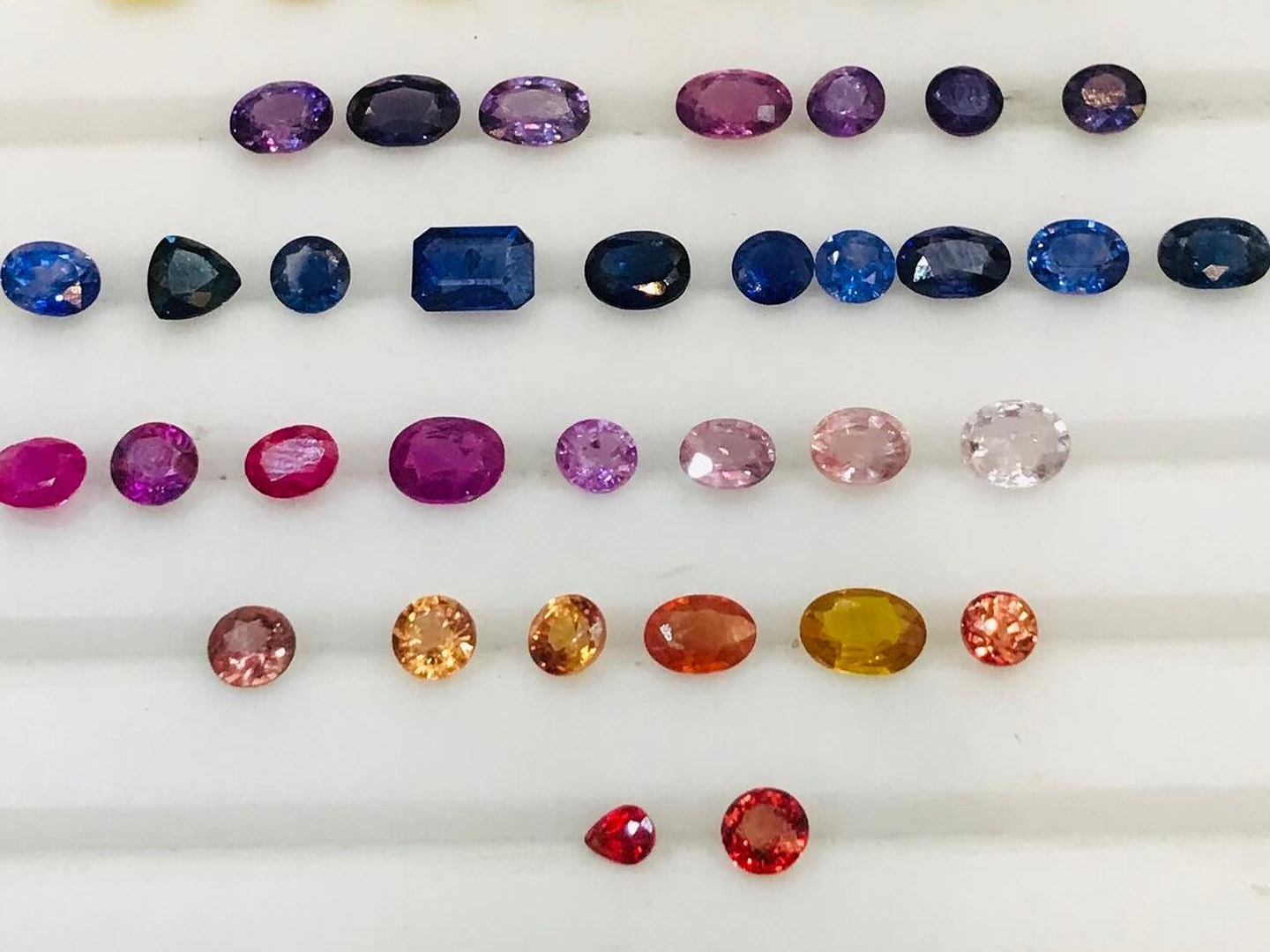
Sapphires and rubies make up the bulk of wholesale corundum trading, and origin drives price more than almost any other factor. A natural sapphire and ruby wholesale supplier should be able to tell you the likely origin (Sri Lanka, Madagascar, Mozambique, Burma, etc.) and back it up with lab documentation for higher-value goods. Calibrated melee in commercial grades is usually sold by the carat in parcels; fine single stones are priced individually.
Garnets are more forgiving on price but wildly varied in species — rhodolite, spessartite, tsavorite, and demantoid all trade at very different price points despite falling under the same family name. Ask specifically which garnet species you're being quoted, not just "garnet."
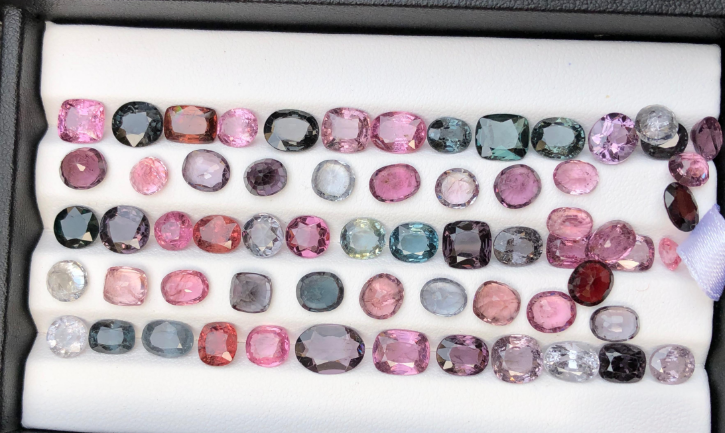
Spinel has quietly become one of the most sought-after alternatives to ruby and sapphire over the past decade, partly because it's almost always untreated. Wholesale spinel suppliers who specialize in Burmese or Sri Lankan material tend to carry better color consistency than generalist dealers, so it's worth asking a supplier directly whether spinel is a core part of their inventory or a side offering.
Step 3: Understanding Wholesale Gem Trade Terms
This is where a lot of new buyers get tripped up — not because the terms are complicated, but because nobody explains them plainly.
FOB (Free on Board): The price quoted covers the goods up to the point of shipment; the buyer covers shipping and import costs from there.
Net terms (e.g., Net 30): Payment is due a set number of days after the goods are received, common once a buyer has an established relationship with the supplier.
COD (Cash/Collect on Delivery): Payment is made in full at the time the goods are delivered or picked up — the safer default for new buyer-supplier relationships.
Memo (consignment on approval): The dealer sends stones for the buyer to inspect, hold, or show to clients for an agreed period, without payment upfront. Payment is only required for what's kept; the rest is returned.
Escrow: A neutral third party holds payment until both sides confirm the goods and funds have been received as agreed — increasingly common for larger online transactions between buyers and sellers who haven't worked together before.
Memo vs. COD: Which Should You Use?
Most dealers won't offer memo terms to a brand-new buyer — and that's not a red flag against you, it's simply how trust gets built in this industry. Expect to start on COD or prepayment for smaller orders, and graduate to memo terms as a track record develops.
A Simple Wholesale Gem Sourcing Workflow
1. Define your need
(species, size range, color, treatment tolerance, budget)
│
▼
2. Shortlist & vet suppliers
(certifications, trade membership, references)
│
▼
3. Request stone-specific documentation
(lab reports, treatment disclosure, origin info)
│
▼
4. Inspect stones
(in person, via video call, or through an inspection period)
│
▼
5. Agree on trade terms
(COD, Net terms, memo, or escrow)
│
▼
6. Finalize purchase & documentation
(invoice, certificates, return/exchange policy in writing)
Following this sequence in order — rather than skipping straight to price — is the single biggest thing that separates confident wholesale buyers from ones who end up disputing a purchase six months later.
Red Flags Worth Walking Away From
Prices dramatically below market rate for the stated quality and origin
Reluctance to provide any documentation beyond a photo
Pressure to wire funds immediately, before any inspection
No verifiable business presence outside of social media
Certificates from labs you can't find any independent information about
Final Thoughts
Buying wholesale gems well isn't really about finding the lowest price — it's about finding a supplier whose documentation, disclosure, and terms hold up under scrutiny. Start small, ask direct questions, insist on independent lab reports for anything significant, and let the relationship — and the trade terms — grow from there.
If you're sourcing natural sapphires, rubies, garnets, or spinel and want to talk through sizes, certification, or trade terms for your specific project, get in touch with our team — we're happy to walk you through what's available and how we structure terms for new and returning buyers alike.
References
Gemological Institute of America (GIA) — www.gia.edu
American Gem Trade Association (AGTA) — www.agta.org
International Colored Gemstone Association (ICA) — www.gemstone.org
CIBJO — The World Jewellery Confederation — www.cibjo.org