Contenido del artículo
Sri Lanka es un paraíso para los amantes de las gemas, conocido por sus impresionantes zafiros, rubíes y topacios. Estas preciosas gemas han cautivado a coleccionistas y aficionados de todo el mundo. Sin embargo, comprar gemas auténticas de Sri Lanka puede ser complicado. El mercado está plagado de estafas y piedras falsificadas. Los compradores desprevenidos suelen ser víctimas de estas prácticas engañosas. Es fundamental saber cómo desenvolverse en este complejo mercado.
Es fundamental comprender la diferencia entre gemas naturales y sintéticas. Muchos vendedores hacen pasar piedras sintéticas por naturales, lo que genera decepción. Un certificado de autenticidad es indispensable al comprar. Esta guía le ayudará a comprar gemas de Sri Lanka de forma segura. Aprenda a identificar gemas auténticas y evite estafas. Tome decisiones informadas y disfrute de su experiencia con las gemas.
El magnetismo del mercado de gemas de Sri Lanka
El corazón del comercio de gemas de Sri Lanka late en lugares como Ratnapura (que literalmente significa "Ciudad de las Gemas") y los centros turísticos costeros de Beruwala y Galle. En estos bulliciosos mercados callejeros, millones de dólares cambian de manos en simples paquetes de papel blanco llamados " papeles de gemas" .
Recorrer estos mercados es una experiencia inolvidable y vibrante. Los comerciantes locales, conocidos como viamkaras , se acercarán con puñados de piedras en bruto o talladas, ofreciéndole ofertas que parecen demasiado buenas para ser verdad. Y en el mundo de las gemas, si una oferta parece demasiado buena para ser verdad, casi siempre lo es. Sin una estrategia, tanto los turistas comunes como los coleccionistas serios pueden caer fácilmente víctimas de sofisticadas redes de falsificación.
Estafas comunes con piedras preciosas a las que debes prestar atención
Para proteger su inversión, primero debe comprender las tácticas que utilizan los vendedores deshonestos. Las estafas van desde trucos de magia tradicionales hasta alteraciones de laboratorio altamente sofisticadas.
1. El intercambio de sintéticos y "parecidos"
Uno de los trucos más antiguos consiste en vender zafiros sintéticos, obtenidos mediante fusión a la llama, como si fueran piedras naturales extraídas de la tierra. Los zafiros sintéticos comparten la misma estructura química que los naturales, lo que significa que superarán fácilmente pruebas sencillas de resistencia a los arañazos o de conductividad térmica.
Como alternativa, los vendedores podrían ofrecer una piedra natural más barata con un nombre más costoso. Por ejemplo, una espinela azul o una turmalina azul bellamente talladas podrían presentarse como un zafiro azul de Ceilán de alto valor.
2. Tratamientos extremos no revelados
Si bien el tratamiento térmico tradicional es universalmente aceptado en la industria de las gemas para mejorar el color y la claridad, los tratamientos altamente agresivos a menudo no son revelados por comerciantes deshonestos.
Zafiros difusos: Los vendedores recubren un zafiro incoloro o pálido con productos químicos y lo calientan a temperaturas extremas, lo que provoca que adquiera un brillante color azul solo en la capa superficial de la piedra. Si la piedra se astilla o se vuelve a tallar, la ilusión desaparece.
l Relleno de vidrio: Los rubíes y zafiros de baja calidad con fracturas importantes se rellenan con vidrio de alto contenido en plomo para que parezcan perfectamente transparentes. Estas piedras son increíblemente frágiles y valen solo una fracción del precio de una gema sin tratar.
3. El sindicato de tuk-tuks y guías turísticos
Esta es una estafa clásica de ingeniería social. Un conductor o guía turístico local, aparentemente amable, mencionará casualmente una "exposición de gemas patrocinada por el gobierno, que solo dura un día" o a un primo que posee una mina mayorista. Lo llevarán directamente a una sala de exposición donde los precios están inflados desmesuradamente y el personal utiliza tácticas de venta agresivas para asegurar una comisión enorme para el guía que lo trajo.
Cómo verificar la autenticidad de las piedras preciosas
No necesitas un título en gemología para evitar estafas. Siguiendo unas pocas reglas estrictas, tu dinero estará a salvo.
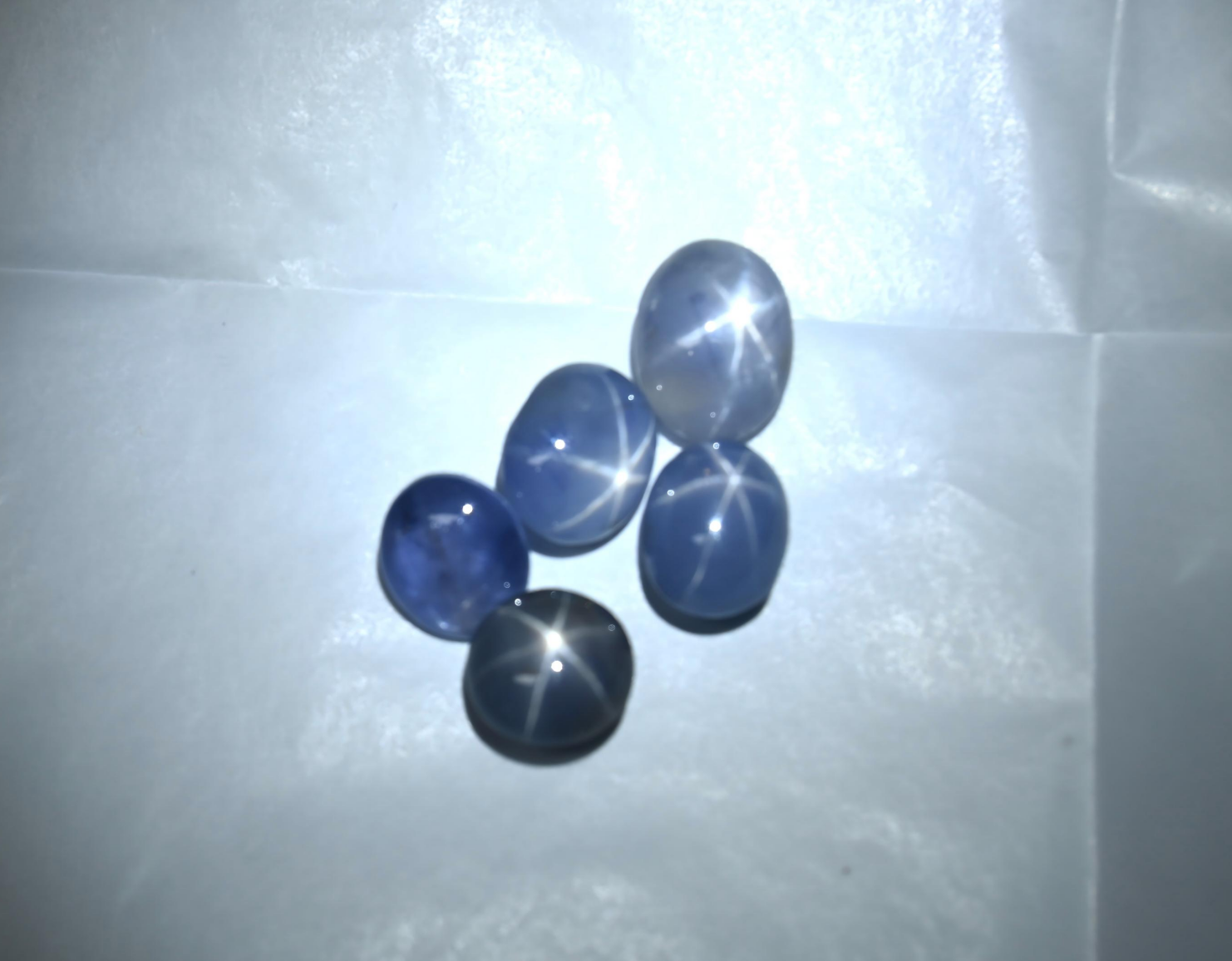
Un auténtico zafiro azul de Sri Lanka de gran claridad. Fuente: The Natural Sapphire Company
Exija siempre un informe de laboratorio independiente.
Nunca confíe en un certificado emitido por la tienda que vende la gema. La verdadera tranquilidad proviene de una verificación independiente realizada por terceros. En Sri Lanka, debe insistir en que una institución de renombre certifique la piedra antes de realizar cualquier pago.
Laboratorios de confianza | Ubicación | Especialización |
Autoridad Nacional de Gemas y Joyas (NGJA) | Colombo / Ratnapura | Pruebas de referencia estandarizadas respaldadas por el gobierno |
Instituto Gemológico de Certificación Internacional (GIIC) | Colombo | Informes exhaustivos de pruebas y origen |
GIA / GRS / Gübelin | Internacional | Laboratorios líderes a nivel mundial para piedras preciosas de colección de alto valor. |
Un informe auténtico indicará explícitamente si la piedra es natural o sintética , y detallará cualquier tratamiento (como mejora térmica, difusión o relleno de vidrio).
Examine la gema con aumento.
Una gema natural creció en las profundidades de la tierra durante millones de años, dejando tras de sí marcas microscópicas. Utilice una lupa de joyero de 10 aumentos para examinar la piedra.
l Señales naturales: Busque pequeños cristales minerales, cristales negativos o "seda" (finas agujas de rutilo que se entrecruzan).
l Señales de falsificación: Los interiores perfectamente limpios, las líneas de crecimiento curvas o las diminutas burbujas de gas esféricas son señales de alerta inmediatas que indican que se trata de una piedra sintética, fabricada en fábrica.
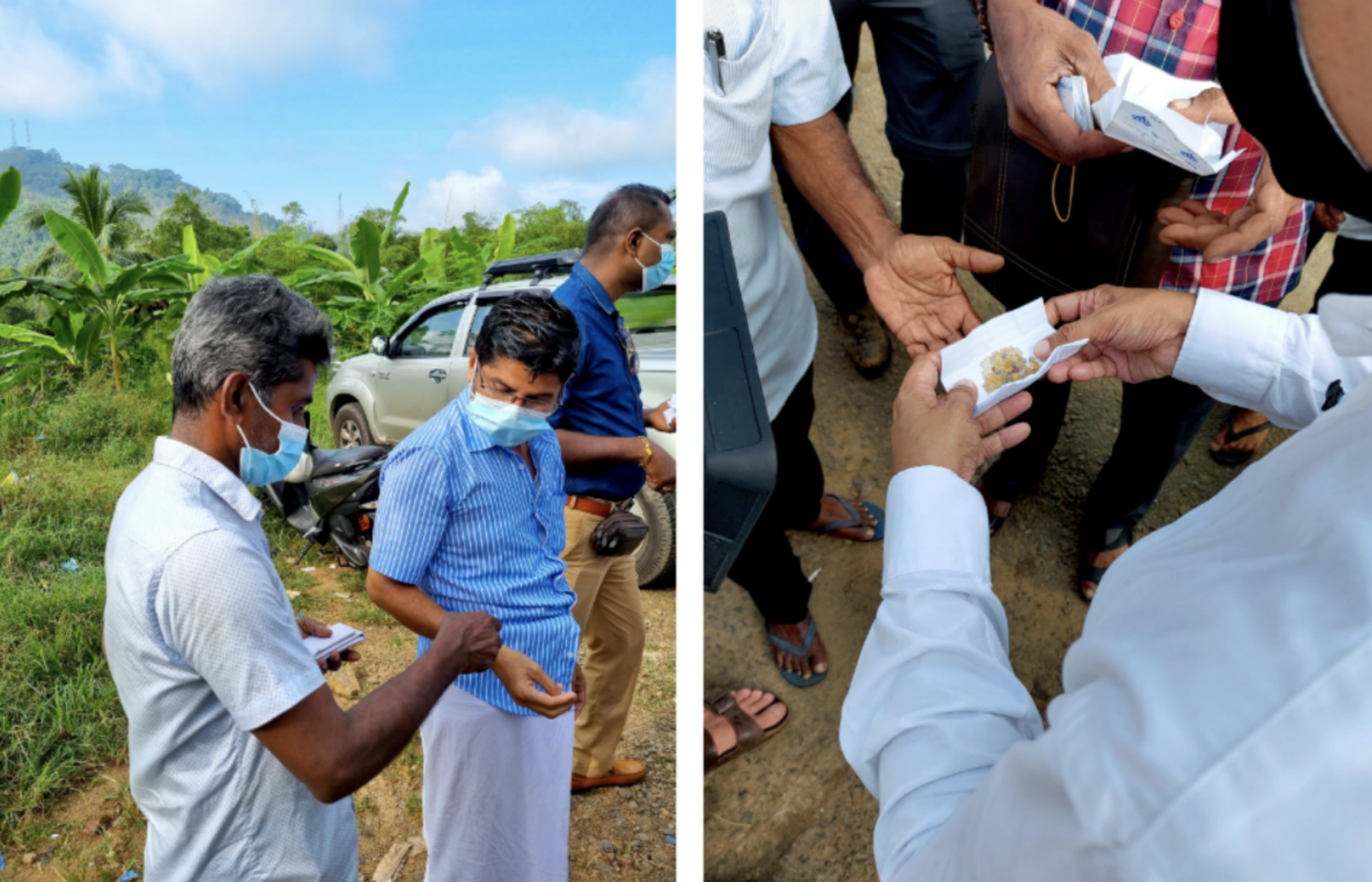
Comercio callejero tradicional en el mercado de gemas de Ratnapura. Fuente: Blackacre
Dónde comprar gemas de forma segura
Si desea evitar por completo el estrés de los mercados callejeros, elija joyerías establecidas y registradas. Busque negocios que cuenten con la licencia oficial de la Autoridad Nacional de Gemas y Joyería de Sri Lanka . Estos establecimientos están sujetos a estrictas leyes de protección al consumidor, ofrecen políticas de devolución claras y con gusto lo acompañarán a un laboratorio de pruebas independiente para verificar su inventario.
Para los compradores internacionales que no pueden visitar la isla en persona, adquirir sus piezas a través de una plataforma especializada y transparente como www.oriagems.com elimina los intermediarios y los riesgos asociados. Los distribuidores digitales de confianza ofrecen vídeos de alta resolución, seguimiento del origen histórico y certificaciones de laboratorio verificadas como práctica habitual para cada pieza de su colección.
Conclusión
El atractivo de la riqueza mineral de Ceilán es innegable, pero la clave para una compra exitosa reside en la paciencia y la verificación. Al comprender cómo funciona el comercio local, evitar comprar bajo presión y exigir siempre una verificación independiente por parte de un laboratorio externo, podrá protegerse completamente de las prácticas engañosas del mercado. Al comprar gemas de Sri Lanka , priorizar la transparencia sobre un precio sospechosamente bajo es la mejor manera de asegurarse de adquirir gemas auténticas , hermosas y de calidad de inversión . Tomar estas precauciones le ayudará a evitar por completo las estafas con gemas y garantizará que su experiencia con las gemas de Sri Lanka sea un viaje positivo y gratificante al mundo de la joyería fina.
Referencias y fuentes autorizadas
Instituto Gemológico de América (GIA): Factores de calidad del zafiro : una guía completa para identificar las características y los tratamientos del zafiro natural.
Autoridad Nacional de Gemas y Joyería (NGJA): Organismo regulador oficial de Sri Lanka : información sobre prácticas de compra legales, distribuidores autorizados y servicios de pruebas estatales.
Gem Research Swisslab (GRS): Verificación de informes de gemas : estándar internacional para la identificación del origen y el tratamiento del corindón de alta gama.