Contenido del artículo
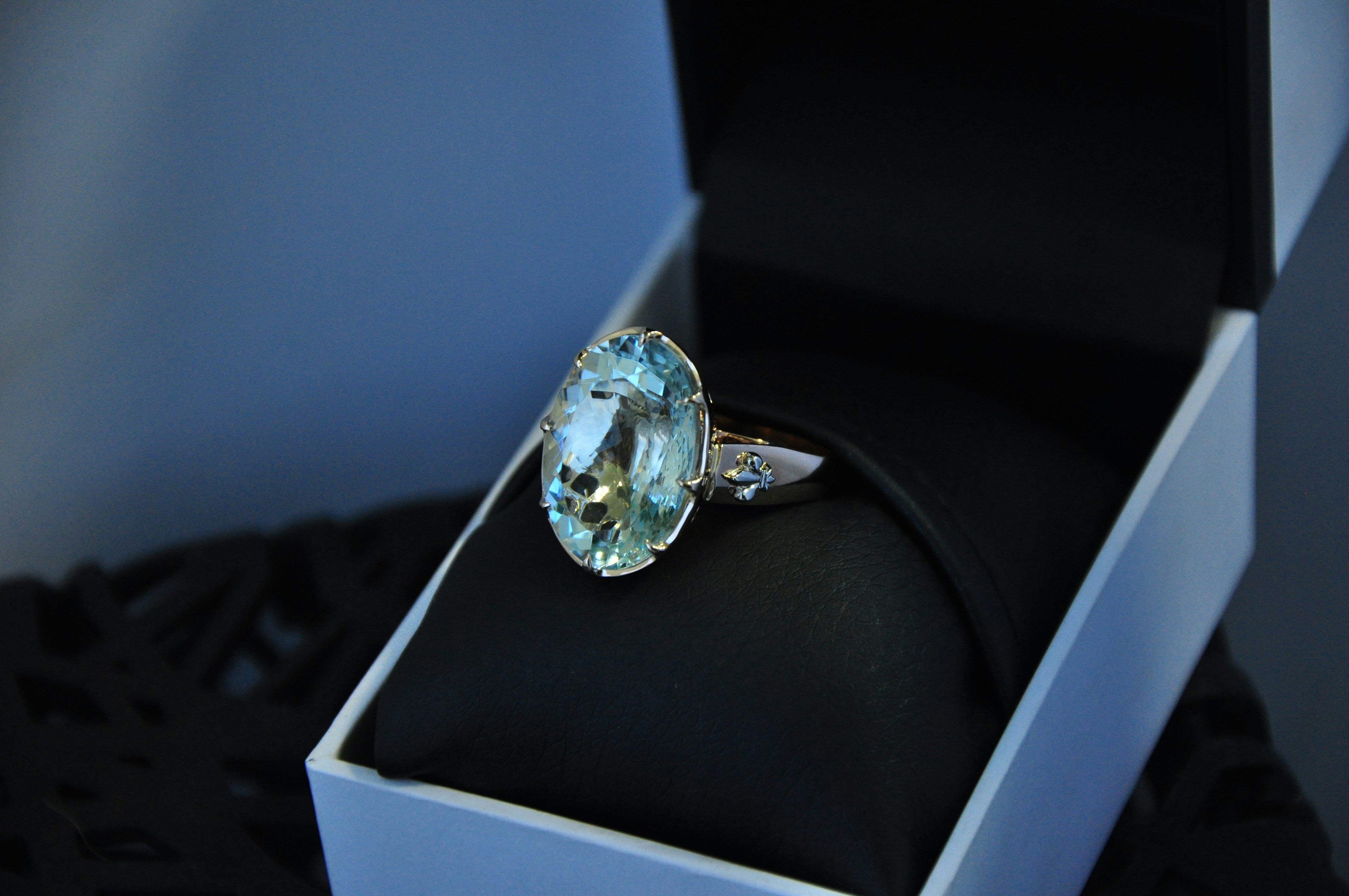
There is something inherently hypnotic about aquamarine. Derived from the Latin words for "sea water," this breathtaking blue variety of the beryl mineral family has captivated humanity for thousands of years. While it is mined in several pockets around the globe, there is one legendary island destination that connoisseurs and collectors continuously look to for exceptional gems: Sri Lanka (formerly known as Ceylon).
Choosing a Natural Aquamarine from this region means investing in centuries of gemological heritage. In this comprehensive guide, we will dive deep into what makes Ceylon Aquamarine so uniquely valuable, how to evaluate its color and clarity, what you can expect regarding the Ceylon Aquamarine price, and how to safely buy these liquid-blue treasures for your own collection.
1. The Legacy of Sri Lankan Aquamarine
Sri Lanka is affectionately nicknamed the "Island of Gems" (Ratna Dweepa), and for good reason. Its unique geological history has created a literal treasure chest of premium colored stones, ranging from world-famous blue sapphires to magnificent Sri Lankan Aquamarine.
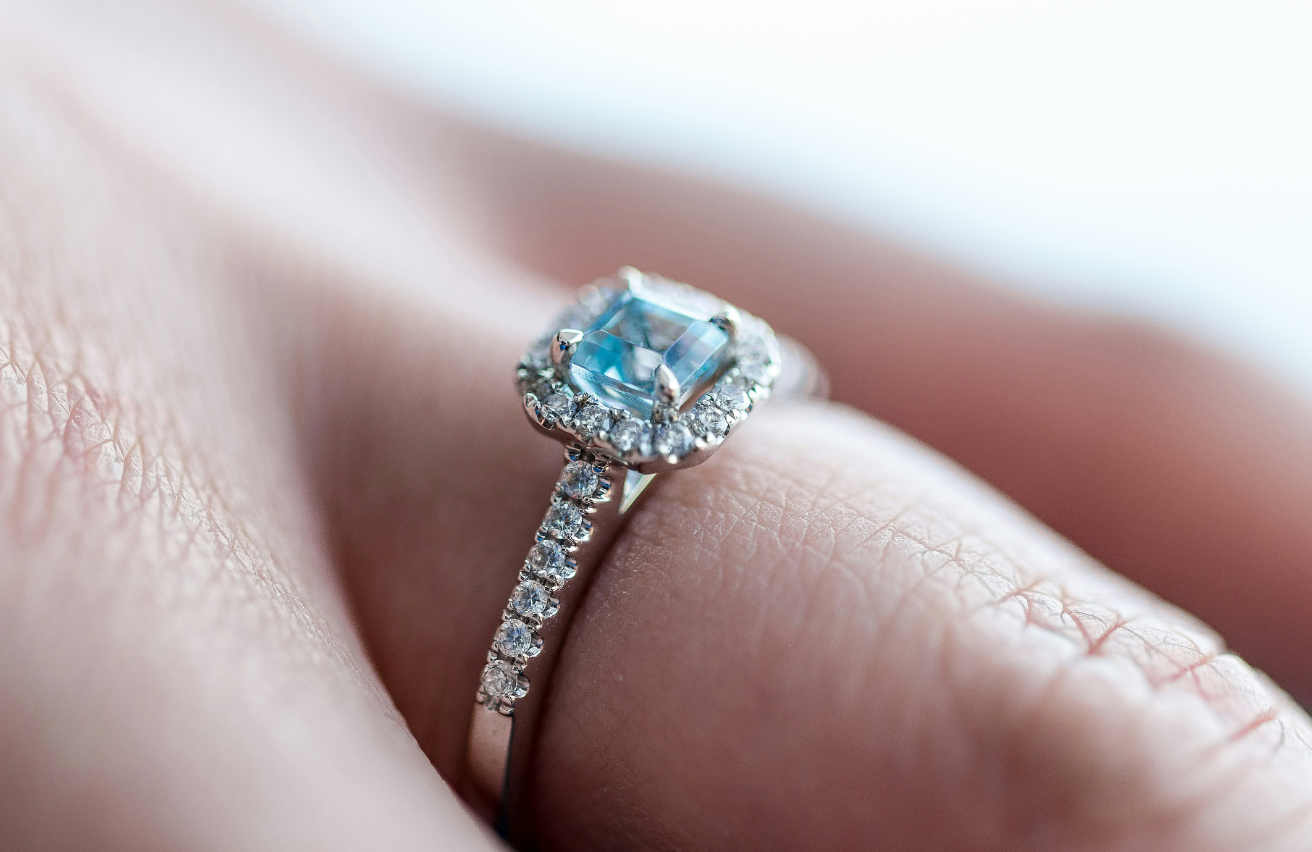
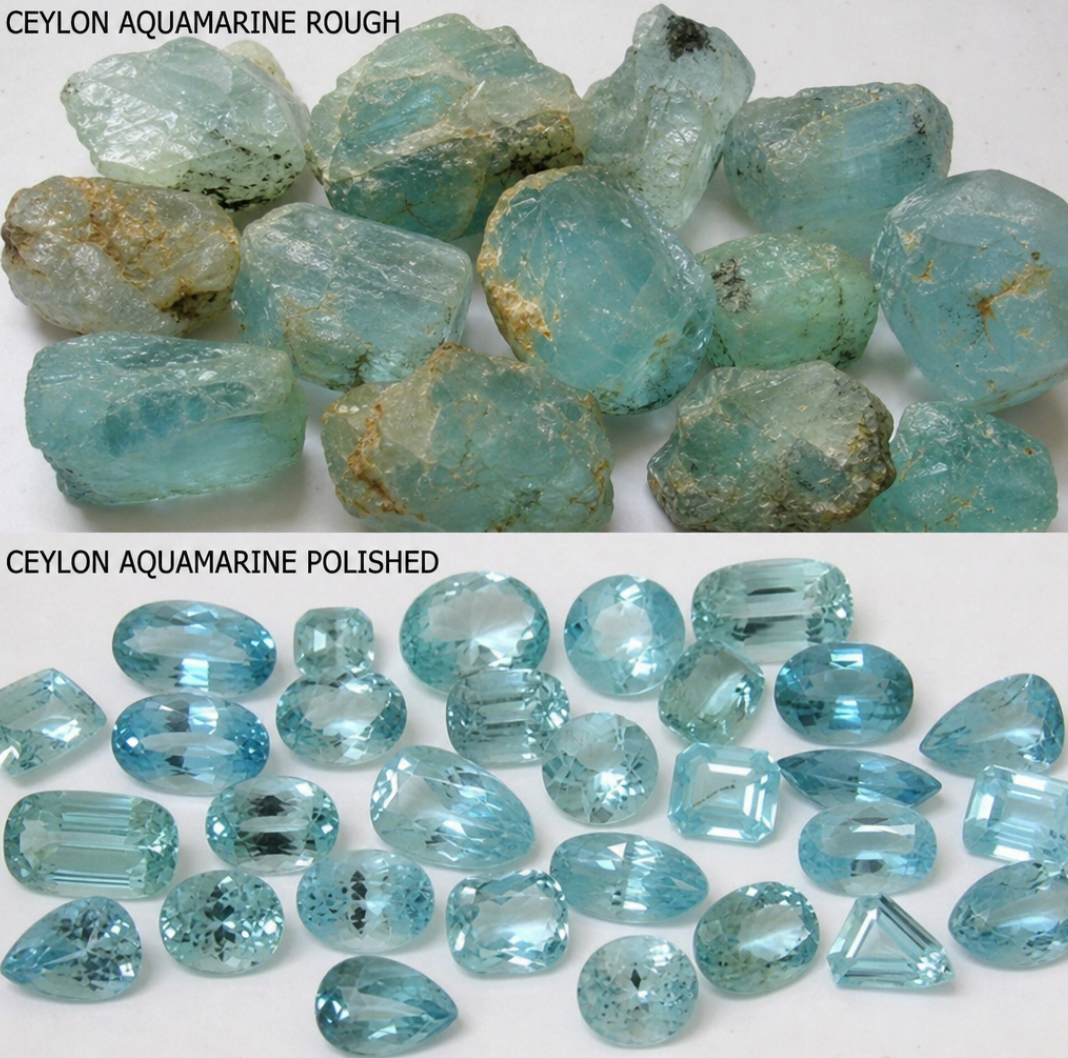
What separates a Natural Ceylon Aquamarine from stones mined elsewhere is often its incredible crystal clarity and structural purity. Formed within ancient pegmatite rock formations over millions of years, these beryl crystals benefit from Sri Lanka’s perfect combination of heat, pressure, and trace minerals. When a lapidary (gem cutter) finishes fashioning a rough crystal from the alluvial gravels of Ratnapura or Hatton, the resulting gemstone possesses a crisp, water-like brilliance that genuinely mimics the sunlit surface of a tropical ocean.
by Andy Holmes (https://unsplash.com/@andyjh07)
Key features of Natural Ceylon Aquamarine include:
Stunning blue to blue-green hues
Exceptional clarity with minimal inclusions
Significant historical and cultural value
2. Understanding Color: The Primary Value Driver
When it comes to aquamarine, color accounts for roughly 60% to 70% of the gemstone's total market value. Like its volcanic sibling, the emerald, aquamarine gets its color from trace impurities embedded inside its crystal lattice—specifically, ferrous and ferric iron atoms.
Pale/Washed Blue ──> Light Pastel Blue ──> Medium Sea Blue ──> Deep Vivid Blue (Rarest)
The color spectrum of aquamarine generally ranges from a very faint, almost icy translucent blue to a richer, saturated greenish-blue or medium sky blue.
The Premium Tone: In the open market, the most sought-after colors are highly saturated, pure medium-dark blues with no gray or yellow overtones.
The Ceylon Difference: Many African and South American aquamarines naturally carry strong, dark greenish hues that require aggressive heat treatment to remove. Ceylon Aquamarine, however, is famous for yielding a high percentage of stones that exhibit a lovely, naturally clear "pastel sky" or "soft mint blue" straight out of the ground.
3. The 4 Cs of Ceylon Aquamarine Value
Beyond color, evaluating a Natural Aquamarine requires looking closely at the classic four pillars of gemology.
Clarity (The Transparency Factor)
Unlike emeralds, which are notoriously plagued by internal fractures and "gardens" of inclusions, aquamarine is classified as a Type I clarity stone. This means high-quality specimens are naturally expected to be eye-clean (completely free of inclusions visible to the naked eye). Sri Lankan material is highly celebrated for its flawless, limpid transparency. Stones with visible clouds, feathers, or liquid tubes will see their value drop significantly.
Cut & Polish
Because aquamarine is typically light to medium in tone, the quality of the cut is paramount to its beauty. An expert gem cutter will carefully orient the facets to maximize internal light reflection, preventing the center of the stone from looking "washed out" or dead. Popular shapes include elegant emerald cuts, oval brilliants, and radiant cuts, all of which accentuate the gem's vitreous (glass-like) luster.
Carat Weight & Price Scaling
Interestingly, unlike rubies or sapphires—where a 5-carat stone costs exponentially more per carat than a 1-carat stone—aquamarine scales much more gradually. Large, clean aquamarine crystals are occasionally found weighing several pounds. Therefore, you can get a strikingly large, eye-clean statement gemstone without facing astronomical premiums.
4. Current Market Price Guide
While exact prices fluctuate depending on global economic conditions, the Ceylon Aquamarine price is tightly tethered to color saturation and origin verification.
The breakdown below outlines approximate market price-per-carat rates for fine-quality, eye-clean natural stones:
For a clearer understanding, here's a breakdown of price influences:
Color: Deeper blue = Higher price
Clarity: Eye-clean stones are more costly
Cut: Quality impacts sparkle and value
Carat Weight: Larger stones are pricier
Nota sobre los tratamientos: El calentamiento suave a baja temperatura es una práctica común en el comercio de gemas para eliminar permanentemente los tonos amarillos/verdes no deseados. Sin embargo, las aguamarinas de Ceilán sin tratar, que presentan un profundo tono azul natural, son increíblemente raras y alcanzan un precio muy elevado entre los coleccionistas.
5. Guía de compra inteligente: Cómo evitar las falsificaciones
¿Listo para añadir una de estas majestuosas joyas oceánicas a tu colección? Ten en cuenta estas reglas básicas:
Cuidado con la espinela y el vidrio sintéticos: el mercado está inundado de espinela azul barata, cultivada en laboratorio, o vidrio tratado que se etiqueta engañosamente como "aguamarina". Siempre verifique la dureza de la piedra. La aguamarina auténtica tiene una dureza de entre 7,5 y 8 en la escala de Mohs , lo que significa que no se raya fácilmente con una navaja de acero.
Inspección con aumento: Aunque la piedra parezca limpia a simple vista, examinarla con una lupa de joyero de 10 aumentos a menudo revelará sutiles signos de crecimiento natural, como pequeños tubos paralelos que parecen gotas de lluvia, lo que confirma su origen orgánico extraído de la tierra.
Insista en la certificación de laboratorio: Nunca se fíe únicamente de promesas verbales. Asegúrese de que su gema venga acompañada de un informe gemológico independiente y de buena reputación (como GIA, NGS o laboratorios locales acreditados de Sri Lanka) que confirme que se trata de un berilo auténtico extraído de la tierra.
Preguntas frecuentes sobre la aguamarina de Ceilán
¿Qué es la aguamarina de Ceilán? La aguamarina de Ceilán es una impresionante gema originaria de Sri Lanka. Conocida por sus vibrantes colores que van del azul al azul verdoso, es muy codiciada.
¿Cómo se determina su valor? Varios factores influyen en su valor, como el color, la nitidez y el tamaño. Generalmente se prefieren los colores más oscuros y saturados.
¿Por qué elegir la aguamarina de Ceilán? Es una gema duradera y hermosa, ideal para diversos tipos de joyería. Su belleza natural y su color único la hacen destacar.
Puntos clave a recordar:
Originario de Sri Lanka
El valor depende del color y la claridad.
Popular en joyería de aguamarina
¿Listo para encontrar tu gema perfecta?
Ya sea que esté diseñando un anillo de compromiso personalizado, un colgante atemporal o buscando una pieza de inversión, elegir comprar aguamarina de Ceilán le conecta con uno de los legados de gemas más románticos y perdurables de la historia de la humanidad. En Oria Gems, nos especializamos en obtener tesoros extraídos de forma ética, bellamente tallados y totalmente certificados directamente del corazón de Sri Lanka.
Si desea explorar nuestra exclusiva colección o necesita asesoramiento personalizado para elegir la piedra perfecta para su joya, le invitamos a dar el siguiente paso. Visite nuestra página de contacto para comunicarse hoy mismo con nuestros gemólogos expertos y permítanos ayudarle a encontrar una joya que inspirará a generaciones futuras.
Referencia:
Instituto Gemológico de América (GIA) - Factores de calidad de la aguamarina
Sociedad Internacional de Gemología (IGS) - Guía de Valor y Precios de la Aguamarina
La Compañía de Piedras Preciosas Naturales - Clasificación Educativa de Piedras Preciosas