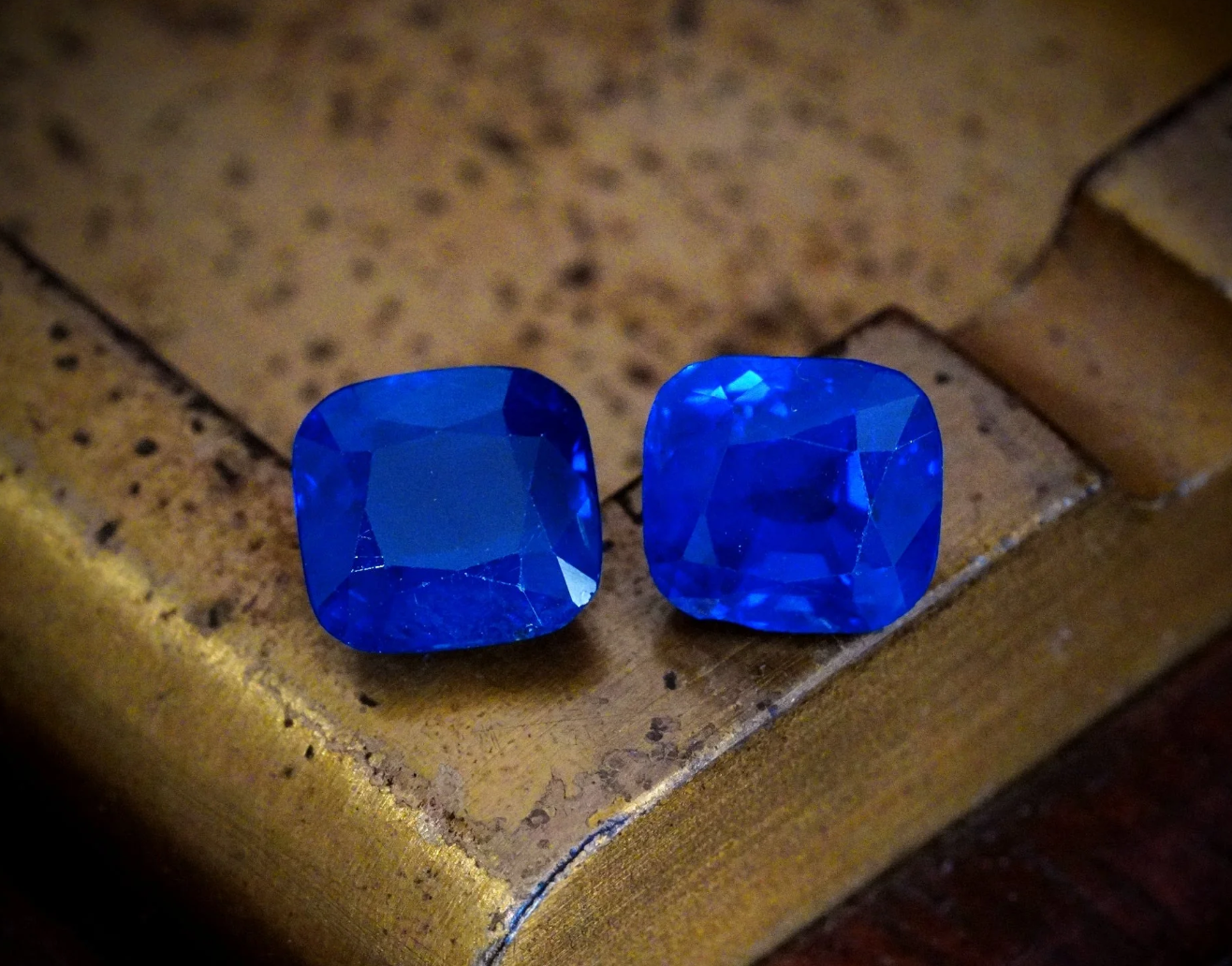
Article Content
Among all colored gemstones, blue sapphire has remained a symbol of royalty, wisdom, and timeless elegance for thousands of years. From ancient royal collections to modern engagement rings, blue sapphire continues to attract collectors, jewelry designers, and gemstone investors.
However, when buyers search for a natural blue sapphire, they often encounter descriptions such as royal blue sapphire, cornflower blue sapphire, velvet blue sapphire, or peacock blue sapphire. These names are not simply marketing terms. They describe specific visual characteristics that influence a sapphire’s rarity, beauty, and market value.
Understanding the differences between these famous sapphire colors is essential for anyone looking to purchase a high-quality natural sapphire.
Why Blue Sapphire Color Is So Hard to Pin Down
Every sapphire's color comes down to three measurable properties, which is exactly how the GIA and most major labs approach colored stone grading:
Hue — the base color family (blue, violetish-blue, greenish-blue, and so on)
Tone — how light or dark the stone appears, on a scale that runs from colorless to near-black
Saturation — how pure or intense the color is, versus how muted or grayish it looks
A stone can be "blue" and still land anywhere from a pale washed-out denim to an almost inky navy, depending on where it sits on those three scales. This is why two sapphires that both get called "blue" on a listing page can look nothing alike in person — and why a proper grading report matters more than a marketing label.
A sapphire’s appearance depends on several factors:
Sapphire Color Formation Workflow
Ancient Geological Formation
↓
Corundum Crystal Growth
↓
Trace Elements Enter Crystal Structure
↓
Iron + Titanium Create Blue Color
↓
Natural Geological Conditions Influence Tone & Saturation
↓
Final Sapphire Color Expression
The final appearance is evaluated based on three main factors:
According to gemological standards, color is often the most important factor influencing a sapphire’s beauty and price.
Royal Blue Sapphire: The Benchmark Everyone Chases
Royal blue sapphire is one of the most recognized and desirable sapphire colors worldwide.
A premium royal blue sapphire typically displays:
Deep but vivid blue
Medium to medium-dark tone
Strong saturation
Excellent transparency
The name “royal blue” reflects its historical association with European royalty and luxury jewelry.
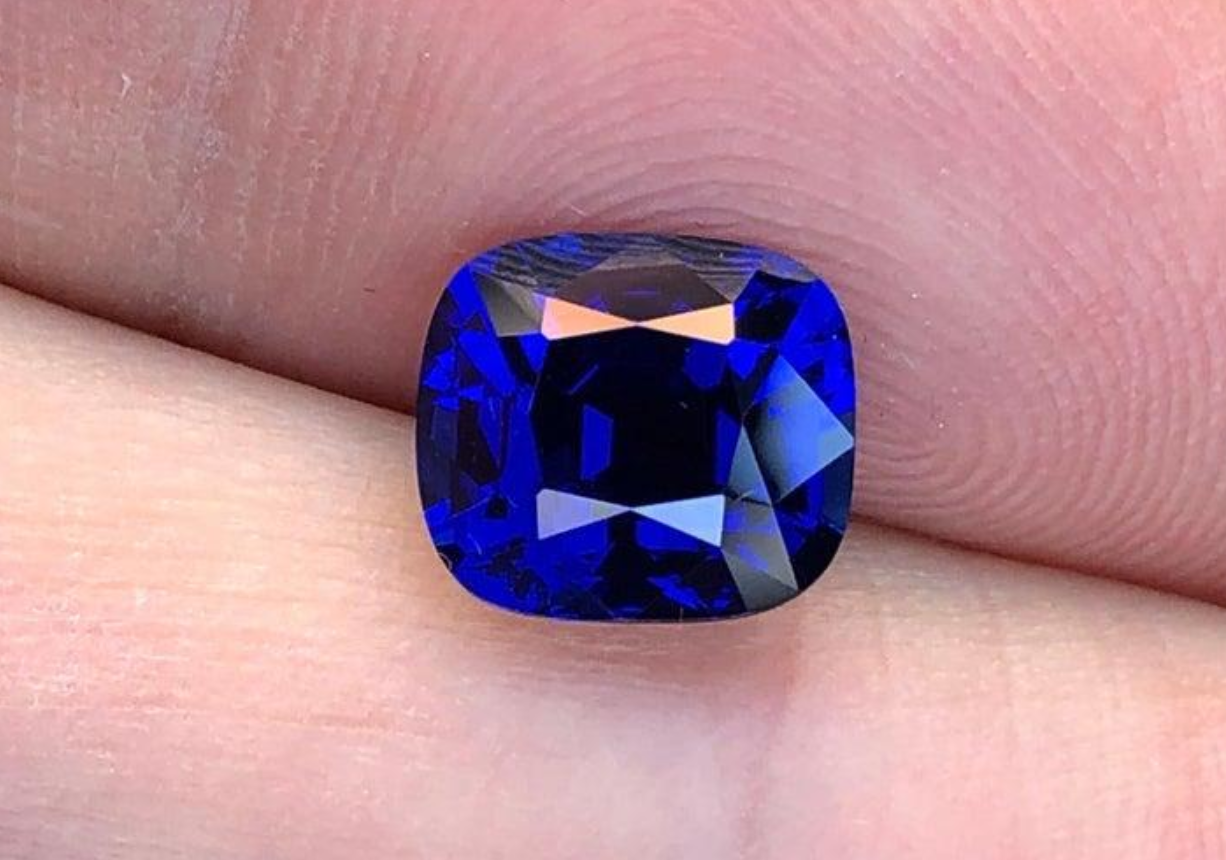
Characteristics of Royal Blue Sapphire
A fine royal blue sapphire balances depth and brightness. If the color becomes too dark, the gemstone may lose its lively appearance.
Cornflower Blue Sapphire: Ceylon's Signature Look
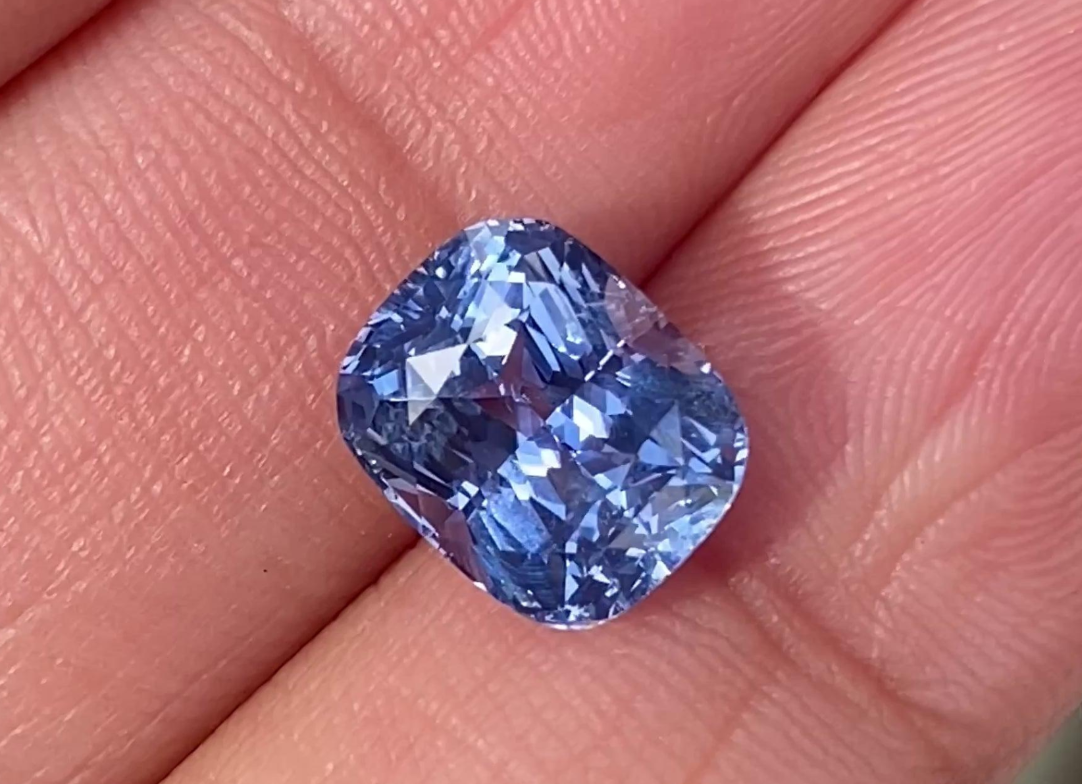
Cornflower blue sapphire is famous for its soft, elegant, and highly desirable blue color.
The name comes from the blue color of the cornflower plant.
Compared with royal blue sapphire, cornflower blue usually appears:
Slightly lighter
More velvety
Softer in appearance
Highly luminous
Historically, the most famous cornflower blue sapphires came from the legendary Kashmir mines.
Cornflower Blue Sapphire Characteristics
Natural Kashmir cornflower blue sapphires are among the most valuable gemstones in the world due to their exceptional color and scarcity.
Velvet Blue Sapphire: A Description, Not a Formal Grade
Velvet blue sapphire is considered by many collectors as one of the finest expressions of sapphire beauty.
The term “velvet” describes the visual effect created by:
Balanced saturation
Slight internal diffusion of light
Smooth blue appearance
Rich color depth
A velvet blue sapphire does not look flat. Instead, it creates a soft glowing effect similar to silk velvet fabric.
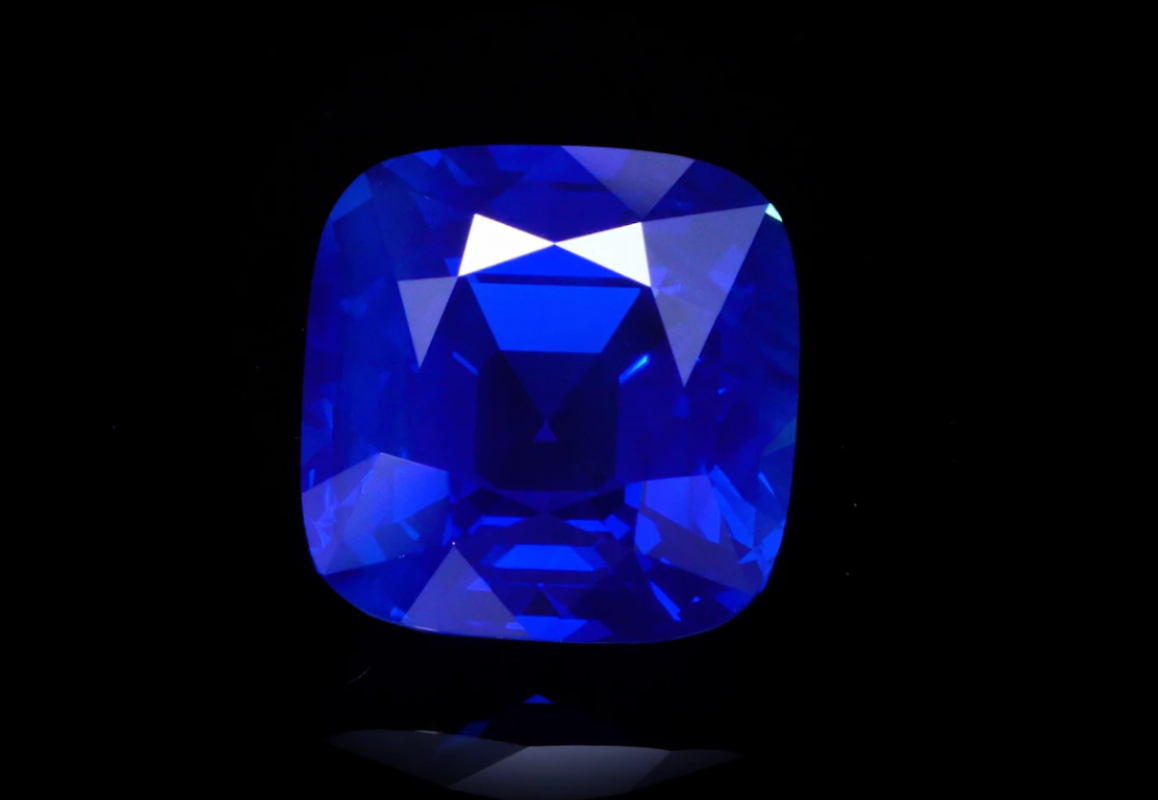
This characteristic is especially associated with exceptional Ceylon and Kashmir sapphires.
Peacock Blue Sapphire: The Outlier Worth Knowing
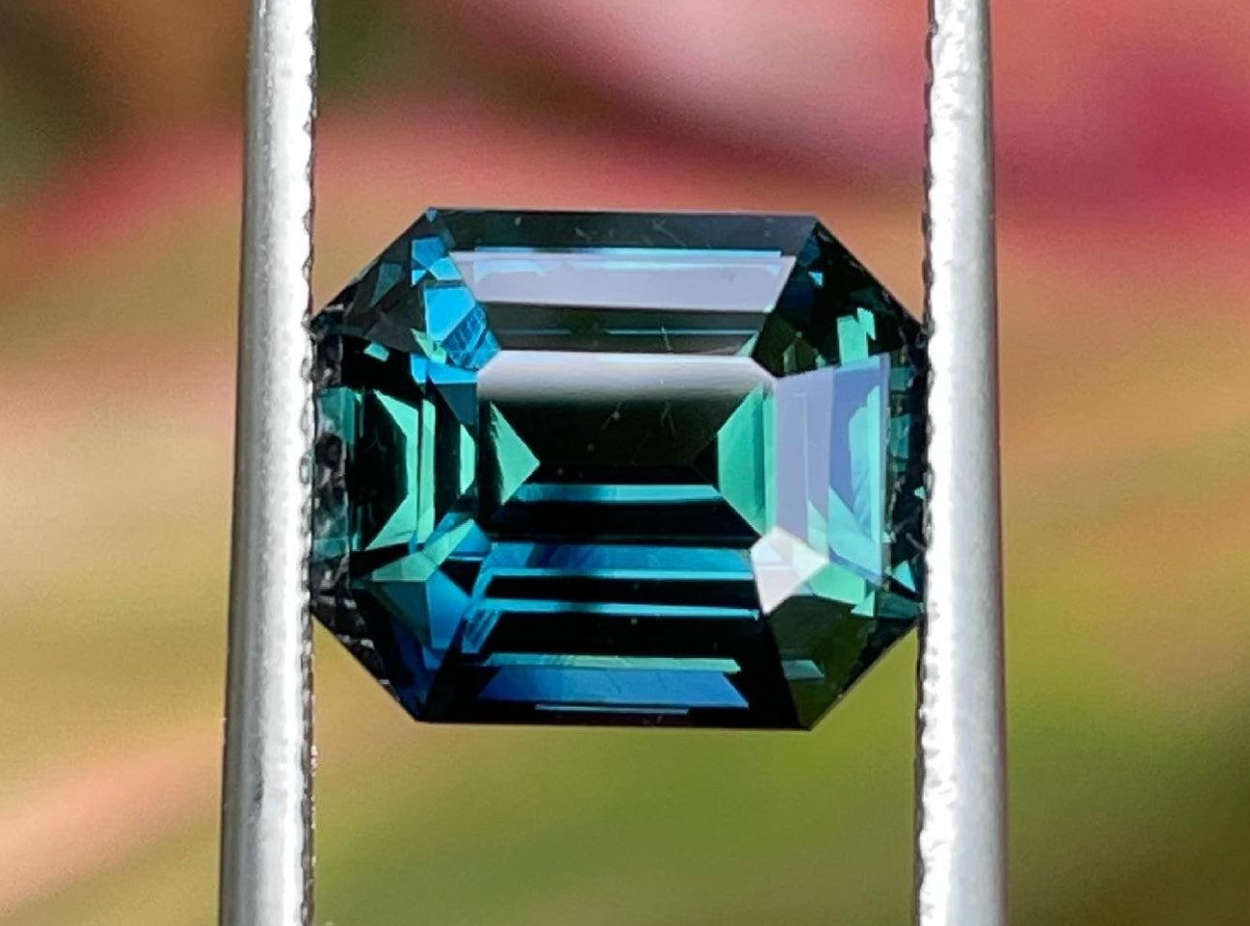
Peacock blue sapphire is a less traditional but increasingly popular description for sapphires displaying a blue color with subtle secondary tones.
Typical characteristics include:
Blue-green influence
Ocean-like appearance
Unique personality
While pure blue sapphires usually command the highest prices, some collectors appreciate peacock blue sapphires because of their individuality.
Side-by-Side Comparison
Sri Lanka, historically known as Ceylon, has produced some of the world’s finest sapphires for centuries.
Sri Lanka sapphires are famous because they often display:
Bright vivid colors
Excellent transparency
Strong brilliance
Wide color variety
Popular Ceylon blue sapphire colors include:
Many buyers specifically search for Ceylon blue sapphire because of the reputation of Sri Lankan gemstones in the international market.
Comparing The Most Popular Natural Blue Sapphire Colors
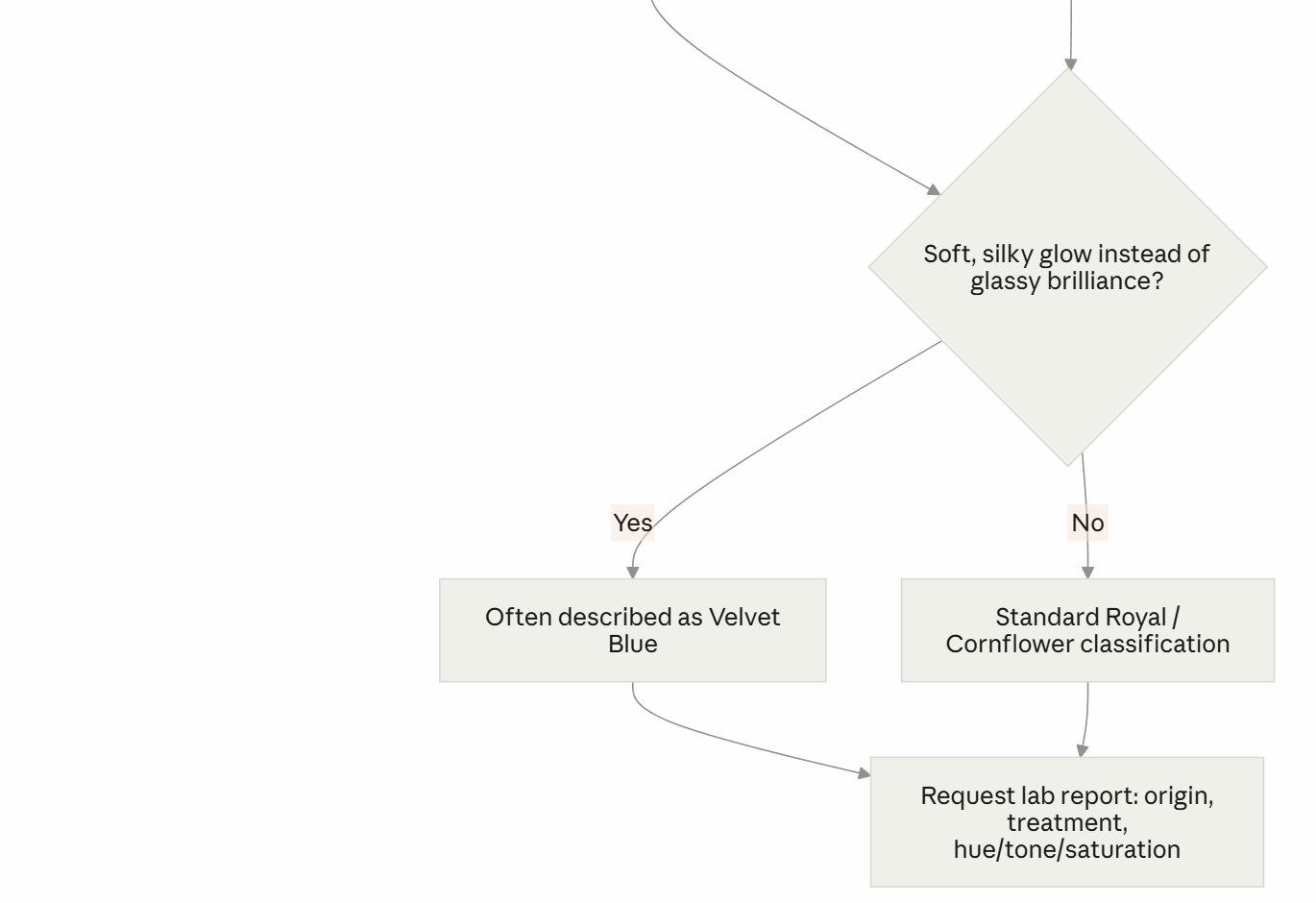
A Simple Workflow for Judging Blue Sapphire Color Yourself
You don't need a gemology degree to get a reasonable read on a stone before you even open a lab report. Here's the order most experienced buyers actually work through:
flowchart
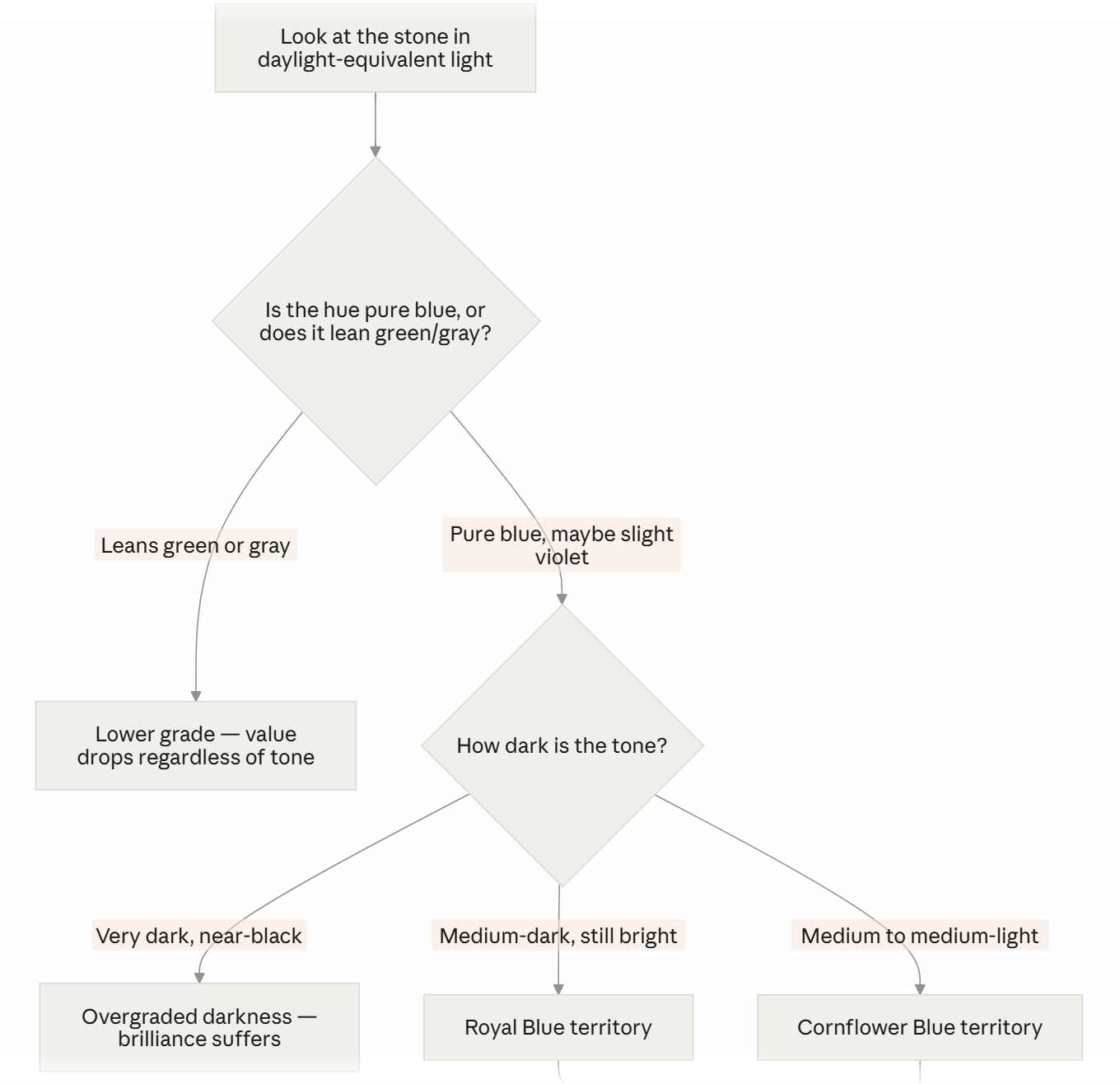
Check the hue first. Pure blue with a touch of violet is desirable; green or gray secondary tones are the fastest way to lose value.
Judge the tone in daylight-equivalent light. Too dark and the stone looks black in low light; too light and it looks washed out.
Look for zoning. Rotate the stone — patchy or streaky color under the table facet is a red flag, especially in a stone marketed as cornflower.
Note the texture. A soft, glowing look rather than sharp glassy brilliance often signals the fine silk associated with "velvet."
Ask for paperwork. A report from a reputable lab should state hue, tone, saturation, origin, and treatment status — not just a marketing color name.
Why This Actually Affects Price
Color alone can swing per-carat price by a factor of five or more between two sapphires of identical carat weight and clarity. As a rough guide:
A well-cut, vivid cornflower blue unheated Ceylon sapphire in the 2–5 carat range commands strong prices precisely because unheated stones with this even, bright color are genuinely scarce.
A certified unheated royal blue stone, particularly with Kashmir or Burma origin on the report, sits at the very top of the blue sapphire market and is treated by many buyers as an investment-grade asset.
Heat treatment is standard across the trade and isn't a red flag by itself — the overwhelming majority of sapphires sold today are heated. But treatment status has to be disclosed, and unheated stones in these top color categories carry a real, well-documented premium.
"Velvet" and "peacock" labels alone don't guarantee a higher price — the underlying hue, tone, saturation, and treatment status do. Treat descriptive names as a starting point for questions, not a substitute for a lab report.
Getting It Right When You Buy
If you are looking for a natural blue sapphire, Ceylon sapphire, or a customized gemstone sourcing solution, please contact Oriagems today.
Authoritative References
Gemological Institute of America (GIA): Sapphire quality factors — hue, tone, and saturation grading
GRS Gemresearch Swisslab: GRS colored stone reports and color naming standards
American Gem Trade Association (AGTA): Guide to gemstone enhancements, origin verification, and ethical sourcing standards
Lotus Gemology: Historical naming conventions and color boundaries in blue corundum