Contenido del artículo
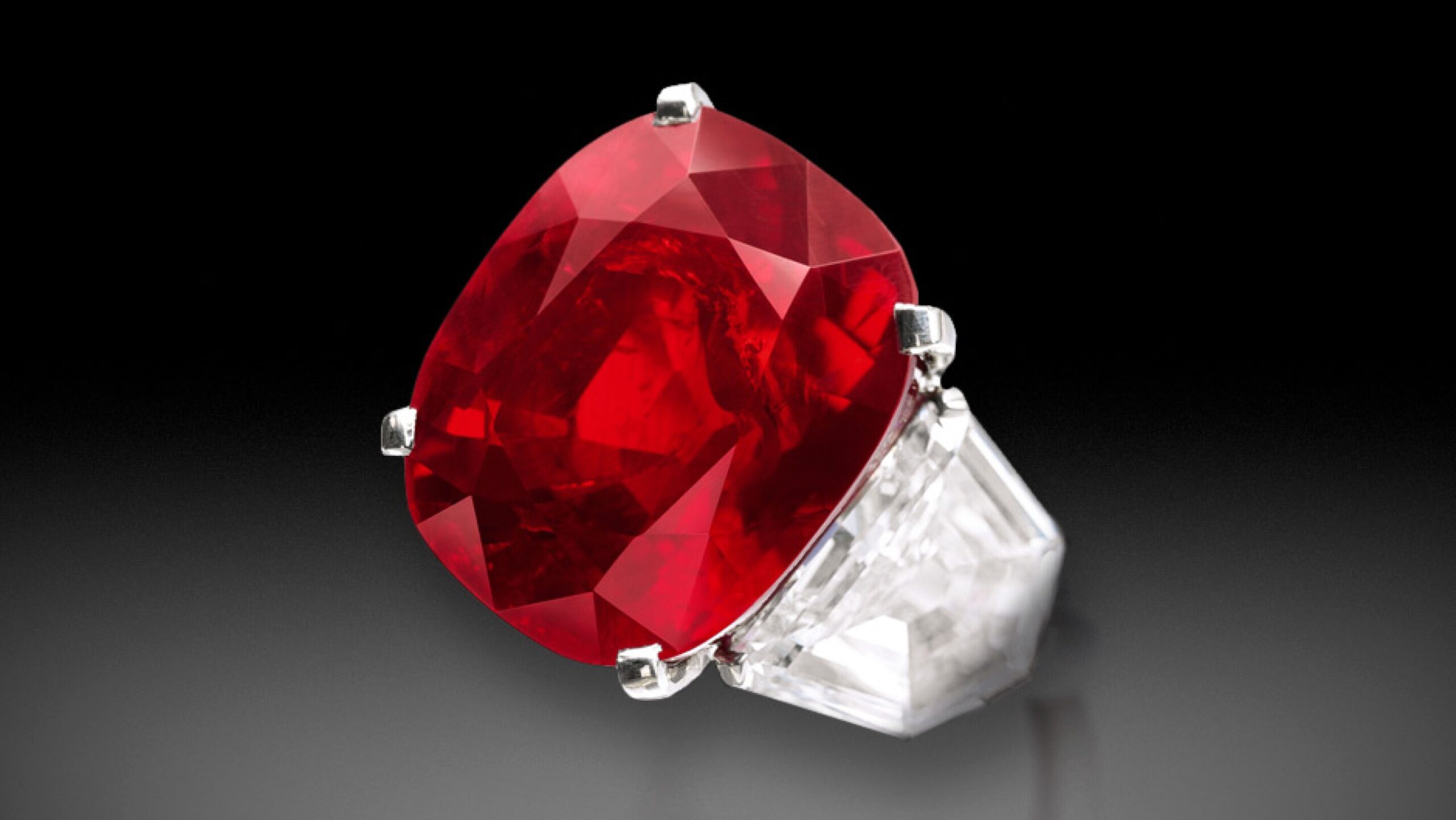
Conocido como el "Rey de las Piedras Preciosas" , el rubí ha simbolizado la pasión, el poder, la protección y la prosperidad durante miles de años. Las civilizaciones antiguas creían que los rubíes contenían un fuego interior que podía proteger a sus dueños del peligro.
Hoy en día, los rubíes excepcionales siguen estando entre las piedras preciosas más raras y valiosas del planeta.
A diferencia de los diamantes, el valor de un rubí depende en gran medida de su origen, color, rareza e historial de tratamientos . Un rubí de un quilate procedente de una mina legendaria puede valer muchas veces más que una piedra de aspecto similar procedente de otro lugar.
Pero, ¿dónde nacen exactamente los rubíes más valiosos del mundo?
Los países más famosos productores de rubíes
Myanmar (Birmania). El valle de Mogok ha producido rubíes de referencia en el mercado durante más de 500 años, y el término "rubí birmano" sigue siendo el estándar con el que se comparan todos los demás. Las piedras de Mogok son apreciadas por una combinación excepcional: el bajo contenido de hierro en el mármol huésped permite que el brillo rojo del cromo se manifieste casi sin filtrar bajo la luz ultravioleta y la luz del día, produciendo el famoso color "sangre de paloma": un rojo intenso, ligeramente violáceo, con una fluorescencia interna visible que hace que la piedra parezca iluminada desde dentro.
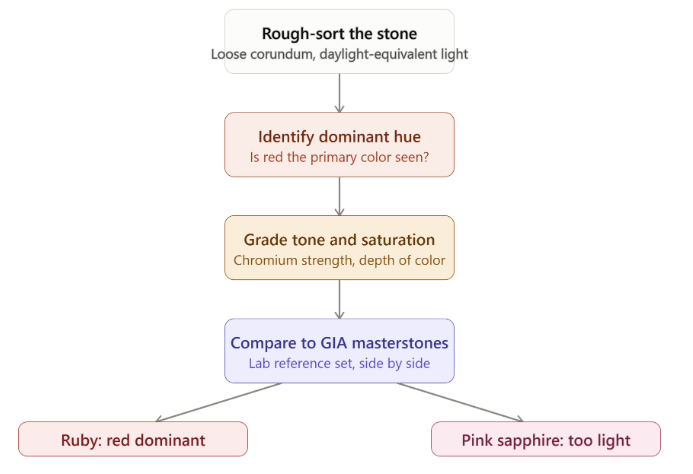
Sri Lanka (Ceilán). Los depósitos de corindón de Sri Lanka son más antiguos y geológicamente más variados que los de Myanmar, y producen desde zafiros padparadscha hasta rubíes de alta calidad. Los rubíes de Ceilán tienden a situarse en el extremo más brillante y rosado del rango aceptado de rubíes; si bien siguen predominando los rojos según los estándares de laboratorio, presentan un carácter más claro y luminoso que el material de Mogok. Sri Lanka es también, gramo por gramo, la fuente de algunos de los mejores zafiros rosas del mundo, cuyo color se encuentra justo al otro lado de la línea divisoria con el rubí.
Mozambique. El actor más reciente en el mercado, y posiblemente el más importante ahora por volumen. La extracción comercial de rubíes en Montepuez comenzó a principios de la década de 2010, pero el yacimiento resultó ser enorme y la calidad ha aumentado rápidamente. El material inicial de Mozambique se comparaba a menudo con el rubí tailandés: más oscuro, más parduzco y menos fluorescente, debido a su mayor contenido de hierro. Sin embargo, ciertas zonas del yacimiento de Montepuez producen rubíes en bruto con bajo contenido de hierro y el mismo brillo fluorescente intenso que históricamente se asociaba con Birmania, y la venta récord de 2023 que se muestra a continuación es la prueba más clara de que el mercado lo ha notado.
Otras fuentes destacadas. Las minas de Pailin, en Tailandia y Camboya, fueron históricamente importantes, pero actualmente están prácticamente agotadas y producen un material rojo más oscuro, similar al granate. El yacimiento de Luc Yen, en Vietnam, ocasionalmente produce piedras finas de calidad birmana. Tanzania (Winza) y Madagascar aportan volúmenes menores de material de buena calidad, de grado comercial a fino. Afganistán y Tayikistán poseen yacimientos históricos que rara vez llegan a los mercados internacionales en grandes cantidades.
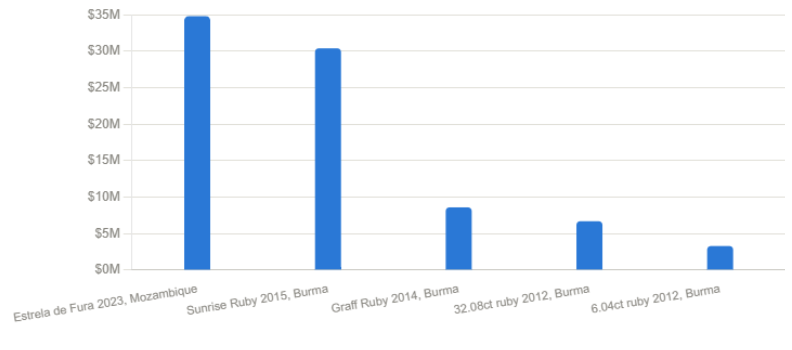
Tabla comparativa del valor de origen del rubí
Sin embargo, tres orígenes dominan el mercado actual de rubíes de alta gama:
Rubí birmano
Rubí de Ceilán
Rubí de Mozambique

Rubí birmano vs. rubí de Ceilán: una comparación lado a lado
La respuesta sincera a la pregunta "¿Rubí birmano vs. rubí de Ceilán?" es que el origen por sí solo no determina la calidad: una piedra birmana mediocre puede ser inferior a una excepcional piedra de Ceilán en una comparación directa. Sin embargo, en la gama alta, donde dos piedras son iguales en color y claridad, el origen birmano sigue gozando de la mayor prima en el mercado internacional, debido a su reputación y escasez histórica. Esta prima se justifica en parte por su composición química y en parte por tres siglos de comerciantes, miembros de la realeza y casas de subastas que consideran a Mogok como el estándar de referencia.
Comparativa del rubí de Mozambique: el origen de mayor crecimiento en el mercado.
A principios de la década de 2000, Mozambique transformó el mercado del rubí.
El descubrimiento de importantes yacimientos introdujo grandes cantidades de rubíes de alta calidad con un color impresionante.
En la actualidad, Mozambique se ha convertido en una de las fuentes de rubíes más importantes del mundo.
El rubí más caro del mundo: los que batieron récords
El gráfico anterior lo explica todo de un vistazo. Durante casi una década, el récord del rubí más caro del mundo perteneció a una piedra birmana. Luego, en 2023, un rubí de Mozambique le arrebató el título, y ambas piedras ofrecen un interesante ejemplo de contrastes.
El Rubí del Amanecer.
El Sunrise Ruby es espectacular:
Rubí birmano de 25,59 quilates
Color rojo sangre de paloma
Claridad excepcional
Montado por Cartier
Se vendió en una subasta en Ginebra en 2015.
Precio récord:
Aproximadamente 30,42 millones de dólares estadounidenses
Esto la convirtió en una de las piedras preciosas de color más caras jamás vendidas.
El precio final demostró cómo los excepcionales rubíes birmanos siguen dominando el mercado de coleccionistas.
La Estrella de FURA.
El rubí Estrella de FURA representa la creciente importancia de Mozambique.
Descubierto en Mozambique, este rubí se hizo famoso por su extraordinario tamaño y calidad.
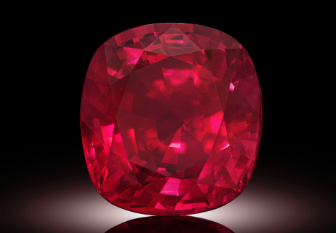
Estrella de FURA Ruby Datos
Esta gema alcanzó uno de los precios más altos jamás registrados para un rubí.
Esto demostró que los rubíes excepcionales ya no se limitan a los orígenes tradicionales birmanos.
El rubí Graff. Antes de ambos, un rubí birmano de 8,62 quilates se vendió en 2014 por aproximadamente 8,6 millones de dólares, o unos 997.000 dólares por quilate; en aquel momento, el precio por quilate más alto jamás registrado para un rubí, y todavía el tercero en la lista de todos los tiempos.
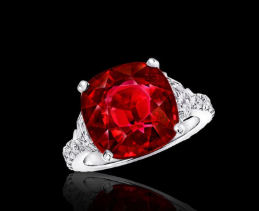
Lo que estas ventas tienen en común es más revelador que lo que las diferencia: cada rubí que ha batido récords ha sido natural, sin tratamiento térmico y procedente de Birmania o Mozambique, con un informe de laboratorio documentado que confirma tanto su origen como el tratamiento recibido. Ninguna piedra tratada térmicamente, ni ninguna sin certificación independiente, se ha acercado jamás a estos precios, lo que revela prácticamente todo sobre lo que realmente impulsa el valor en la cima de este mercado.
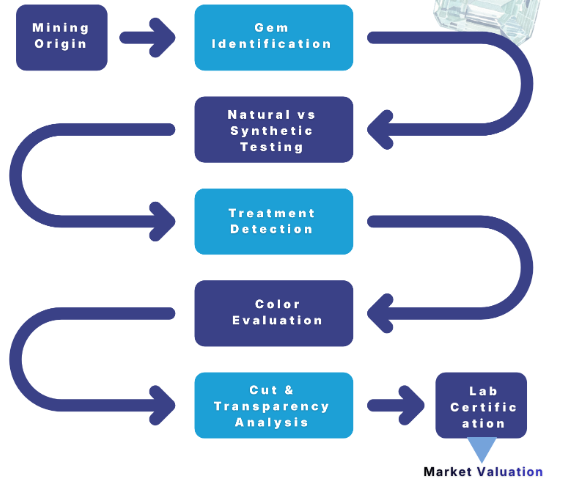
Flujo de trabajo de evaluación de Ruby
Los compradores profesionales de piedras preciosas siguen un proceso de evaluación detallado.
Origen minero
↓
Identificación de gemas
↓
Pruebas con productos naturales frente a pruebas con productos sintéticos
↓
Detección de tratamiento
↓
Evaluación del color
↓
Análisis de cortes y transparencia
↓
Certificación de laboratorio
↓
Valoración de mercado
Cada paso influye en el precio final.
¿Por qué importa el origen al comprar rubíes?
El origen de un rubí va más allá de la geografía.
Representa:
Historia geológica
Tradición minera
rareza de suministro
Confianza del coleccionista
Por eso, dos rubíes de apariencia similar pueden tener precios completamente diferentes.
Por ejemplo:
Un rubí birmano sin tratar de 3 quilates puede alcanzar un precio mucho más elevado que un rubí de aspecto similar procedente de otro origen, debido a su rareza histórica.
Qué significa esto si usted está comprando, y no solo mirando subastas.
La mayoría de los compradores jamás tocarán un rubí de 30 millones de dólares, pero las mismas fuerzas que determinan esos precios influyen incluso en piedras de un quilate. El origen importa, pero no es el destino: un rubí de Ceilán o Mozambique bien tallado, de color intenso y sin tratamiento térmico puede superar a una piedra birmana mediocre tanto en belleza como en valor a largo plazo. Lo que realmente distingue una buena compra de una sobrevalorada es siempre la misma lista de factores: origen documentado por un laboratorio reconocido, información veraz sobre el tratamiento térmico y una valoración del color que usted mismo haya verificado, en lugar de basarse en la descripción del anuncio.
Si está comparando orígenes para una pieza específica (birmana, ceilandesa o mozambiqueña) y necesita ayuda para encontrar una piedra certificada que se ajuste a su presupuesto y preferencias de color, póngase en contacto con nuestro equipo . Nos abastecemos directamente de las cadenas de suministro de Sri Lanka y África Oriental y podemos explicarle el certificado antes de que realice su compra.
Referencias
Sotheby's, resultados de la subasta "Magníficas joyas y joyas nobles", Ginebra, mayo de 2015 (Sunrise Ruby) — sothebys.com
Resultados de la subasta "Magníficas Joyas" de Sotheby's, Nueva York, junio de 2023 (Estrela de FURA) — sothebys.com
Rapaport News, "Un rubí de 55 quilates alcanza la cifra récord mundial de 35 millones de dólares" — rapaport.com
Guinness World Records, "Rubí más caro por quilate vendido en subasta" — guinnessworldrecords.com
Instituto Gemológico de América (GIA), "Factores de calidad del rubí" — gia.edu/ruby-quality-factor
Asociación Estadounidense de Comercio de Gemas (AGTA), comentario sobre el impacto en el mercado de rubíes de Mozambique — agta.org