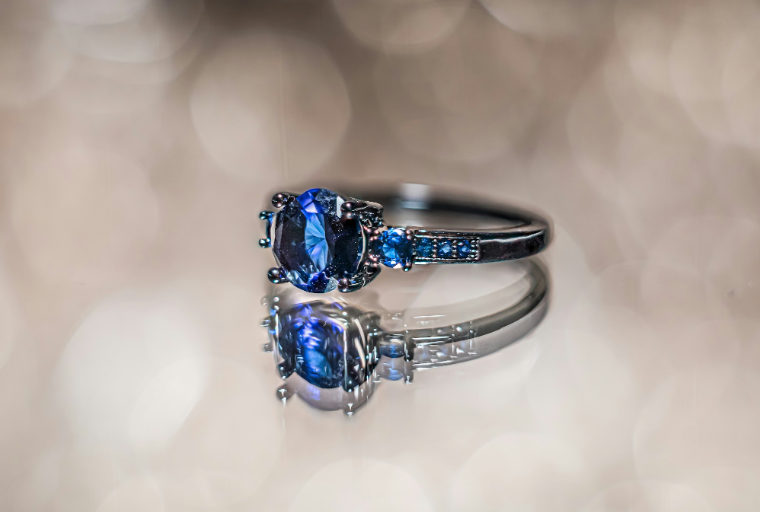
Contenido del artículo
Elegir un anillo de compromiso es una decisión importante. Simboliza el amor y el compromiso. Pero, ¿deberías elegir un zafiro o un diamante?
Los anillos de compromiso de zafiro están ganando popularidad. Ofrecen colores únicos y suelen ser más asequibles que los diamantes.
Sin embargo, los diamantes han sido durante mucho tiempo la opción tradicional. Son conocidos por su brillo incomparable y su atractivo atemporal.
Ambas piedras preciosas poseen su propio encanto y significado. Los zafiros se asocian con la sabiduría y la virtud, mientras que los diamantes simbolizan la fuerza y la pureza.
Tu elección puede depender de tu estilo personal, presupuesto y valores. Considera qué representa cada gema y cómo se relaciona con tu situación sentimental.
Esta guía te ayudará a comparar anillos de compromiso de zafiro y diamantes. Descubre cuál es el ideal para ti.
Historia y simbolismo de los anillos de compromiso de zafiro y diamante
Los anillos de compromiso tienen una rica historia. Tanto los zafiros como los diamantes desempeñan un papel importante en esta tradición. Cada uno posee un simbolismo único que puede resultar atractivo para diferentes parejas.
Los zafiros han sido apreciados durante siglos. Las culturas antiguas a menudo los asociaban con la protección y la sabiduría. Miembros de la realeza, como la princesa Diana, han preferido los anillos de zafiro por su elegancia y significado.
Los diamantes se pusieron de moda en el siglo XX. Las campañas de marketing destacaron su simbolismo de amor eterno. Hoy en día, son sinónimo de compromiso y unión.
Esto es lo que representa cada piedra preciosa:
Zafiros : Lealtad, sabiduría, virtud
Diamantes : Fuerza, pureza, invencibilidad
El significado cultural realza el valor de ambas gemas. Por ejemplo, los zafiros son la piedra natal de septiembre, mientras que los diamantes lo son de abril. Esta conexión añade otra capa de significado personal.
En definitiva, la elección entre zafiro y diamante puede reflejar valores personales y culturales. Reflexiona sobre lo que cada piedra significa para ti y tu pareja.
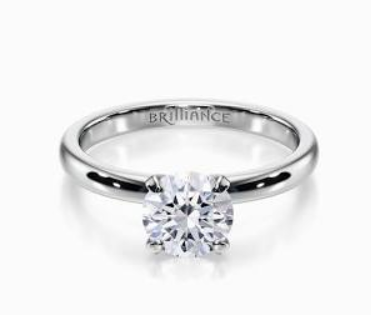
Anillo de compromiso clásico con diamante solitario. Fuente: Brilliance.com
Apariencia y estética: color, brillo y estilo.
Elegir un anillo de compromiso implica considerar su atractivo visual. Los zafiros y los diamantes ofrecen estéticas distintas que se adaptan a diferentes gustos. Comprender estas diferencias puede ayudarte a tomar una decisión informada.
Los zafiros destacan por sus vibrantes colores. El clásico zafiro azul es uno de los favoritos, pero también existen zafiros rosas, amarillos e incluso el raro padparadscha. Cada tonalidad ofrece un aspecto único que se adapta a los gustos personales.
Los diamantes, por otro lado, son apreciados por su brillo. Se valoran por su incomparable resplandor y fuego, que crean un deslumbrante espectáculo de luz. Su claridad les permite brillar en cualquier entorno.
Aquí tienes un breve repaso de los principales atributos estéticos:
Zafiros : Amplia gama de colores, tallas personalizables.
Diamantes : Brillo excepcional, versatilidad en estilos.
Tanto los zafiros como los diamantes pueden tallarse en diversas formas, como redonda, ovalada o esmeralda, realzando así su belleza natural. El tipo de talla influye en la apariencia visual del anillo, por lo que es un factor importante a tener en cuenta.
En definitiva, la elección depende del estilo personal. Tanto si prefieres zafiros de colores como diamantes brillantes, ambas opciones son una declaración de estilo para cualquier compromiso.
Durabilidad y uso diario: Escala de Mohs y longevidad
Un anillo de compromiso está diseñado para usarse a diario durante toda la vida, por lo que la durabilidad física es un factor importantísimo a tener en cuenta.
La dureza de las piedras preciosas se mide en la escala de dureza de Mohs , que evalúa la resistencia de un mineral a los arañazos:
Diamante: Obtiene una puntuación perfecta de 10 sobre 10. Es la sustancia natural más dura de la Tierra y solo puede ser rayada por otro diamante.
Zafiro: Obtiene una puntuación de 9 sobre 10. Si bien se sitúa solo un número por debajo del diamante, la escala de Mohs es relativa; técnicamente, un diamante es significativamente más duro que un zafiro.
La realidad del uso diario: No se deje engañar por los números: un 9 en la escala de Mohs indica una resistencia excepcional. Los zafiros poseen una excelente estabilidad estructural, carecen de puntos débiles internos que pueden fracturarse fácilmente con un impacto y son altamente resistentes a los productos químicos, el calor y los arañazos cotidianos. Un zafiro resistirá sin problemas décadas de uso diario sin perder su brillo.
Comparación de costos: asequibilidad y valor.
Si buscas optimizar tu presupuesto, la comparación se vuelve sumamente interesante. En promedio, un zafiro natural ofrece un precio mucho más accesible que un diamante natural del mismo tamaño y calidad.
Debido a la constante demanda universal de diamantes, sus precios aumentan exponencialmente con el peso en quilates. Elegir un zafiro suele permitir a las parejas adquirir una piedra central mucho más grande y llamativa sin exceder su presupuesto.
Peso en quilates frente a milímetros físicos
Un consejo fundamental de nuestros gemólogos: compre siempre zafiros por sus dimensiones en milímetros, no por su peso en quilates.
Los zafiros son más densos que los diamantes, lo que significa que un zafiro de 1 quilate se verá físicamente más pequeño que un diamante de 1 quilate. Para una comparación de tamaño precisa, fíjese en las medidas de la piedra vista desde arriba (por ejemplo, una piedra redonda de 6,5 mm) en lugar del peso en la báscula.
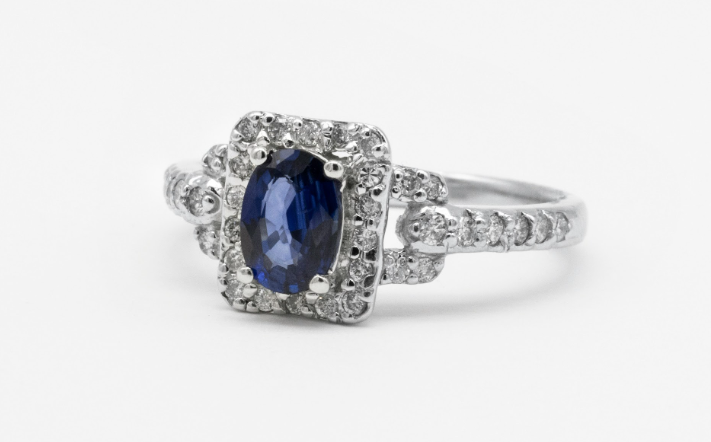
Por Sabrianna ( https://unsplash.com/@sabrinnaringquist )
Consideraciones éticas y ambientales
El abastecimiento ético es una preocupación creciente para muchos compradores hoy en día. Al elegir entre zafiros y diamantes, es importante comprender las implicaciones éticas.
La extracción de diamantes suele ser objeto de escrutinio debido a sus desafíos ambientales y éticos. Cuestiones como los diamantes de conflicto y su impacto ecológico generan preocupación. Los compradores deberían priorizar los diamantes certificados como libres de conflicto.
Aunque los zafiros suelen considerarse menos controvertidos, también pueden plantear dilemas éticos. Es fundamental buscar zafiros extraídos de forma ética. La verificación de su origen ayuda a garantizar que se sigan prácticas mineras responsables.
Entre las consideraciones clave para la compra ética de piedras preciosas se incluyen:
Certificación libre de conflictos : Garantiza un abastecimiento ético.
Prácticas mineras responsables : Minimiza el impacto ambiental.
Tanto los zafiros como los diamantes también se pueden encontrar en variedades creadas en laboratorio. Estas opciones reducen el impacto ambiental y fomentan decisiones éticas. A medida que los compradores se vuelven más conscientes, optar por gemas de origen ético se alinea con los valores de sostenibilidad.
Opciones de personalización y diseño
La personalización es uno de los principales atractivos a la hora de elegir anillos de compromiso. Tanto los zafiros como los diamantes ofrecen una gran versatilidad de diseño.
Con los zafiros, puedes explorar vibrantes colores para expresar tu estilo personal. El azul es un clásico, pero los tonos rosas o amarillos son opciones únicas.
Los diamantes, conocidos por su brillo, se tallan en diversas formas. Los cortes redondos y princesa son los tradicionales, mientras que las formas esmeralda o de pera les dan un toque distintivo.
Al diseñar un anillo, tenga en cuenta estas opciones de personalización:
Opciones de metal : platino, oro blanco u oro rosa.
Engaste de la piedra : Engaste de garras, de bisel o pavé.
Ambas piedras preciosas permiten la personalización mediante grabados o la combinación de gemas. Estas opciones te permiten crear un anillo que refleje fielmente tu gusto personal.
Guía de compra de zafiros: qué buscar
Elegir un zafiro implica comprender varios factores clave. Cada factor contribuye a la belleza y el valor de la gema.
El color es, sin duda, el aspecto más importante. Los zafiros más preciados exhiben un azul intenso y vibrante, aunque otros colores también pueden ser deslumbrantes.
En lo que respecta a la claridad, los zafiros pueden presentar inclusiones. Sin embargo, cuantas menos inclusiones y menos visibles sean, mayor será el valor del zafiro.
El tallado de un zafiro influye significativamente en su brillo y apariencia general. Los tallados más comunes son el redondo, el ovalado y el cojín.
Tenga en cuenta estos elementos al comprar zafiros:
Color : Tonos intensos y vibrantes
Claridad : Inclusiones visibles mínimas
Corte : Precisión para un brillo máximo
Peso en quilates : Equilibra el tamaño y las preferencias personales.
El origen también puede influir en tu elección, ya que los zafiros de Cachemira o Sri Lanka suelen alcanzar precios elevados. Invertir tiempo en la investigación te garantiza encontrar un zafiro que sea a la vez bello y significativo.
Guía para comprar diamantes: Las 4 C explicadas
Comprender las 4 C de los diamantes es fundamental para realizar una compra informada. Estos elementos influyen enormemente en la apariencia y el valor de un diamante.
El tallado influye en el brillo de un diamante. Un diamante bien tallado refleja la luz maravillosamente, realzando su resplandor.
El color juega un papel importante en la estética de un diamante. Los diamantes con menos color son raros y más valiosos.
La claridad se refiere a defectos internos o superficiales. Menos imperfecciones generalmente significan un valor más alto.
El peso en quilates mide el tamaño de un diamante. Los diamantes más grandes, aunque más caros, no siempre son más atractivos.
Entre los factores clave a tener en cuenta se incluyen:
Corte : La excelente mano de obra mejora el rendimiento de la luz.
Color : Los diamantes casi incoloros ofrecen un mejor valor.
Claridad : Menos inclusiones aumentan el atractivo.
Peso en quilates : Equilibra el tamaño con el presupuesto.
Al evaluar estos factores, los compradores pueden elegir un diamante que se ajuste a sus gustos personales y a sus posibilidades económicas.
Estilo de vida, valores personales y cómo tomar una decisión
Al elegir entre un anillo de compromiso de zafiro y uno de diamantes, ten en cuenta tu estilo de vida. Si eres una persona activa, la durabilidad es fundamental. Ambas gemas resisten el uso diario, pero los diamantes son ligeramente más duros.
Los valores personales también pueden influir en tu decisión. Algunos valoran la singularidad y el color de los zafiros, mientras que otros prefieren los diamantes por su estatus. Actuar en consonancia con tus creencias puede convertir tu elección en una decisión significativa.
Reflexiona sobre las necesidades prácticas y los aspectos sentimentales:
Durabilidad : Considere el nivel de actividad.
Estética : elige según tu estilo personal.
Valores : Considerar la sostenibilidad y el abastecimiento.
En definitiva, la decisión debe resonar con tu corazón y tu mente, asegurando que el anillo simbolice vuestra singular historia de amor.
El veredicto: ¿Cuál es la opción adecuada para ti?
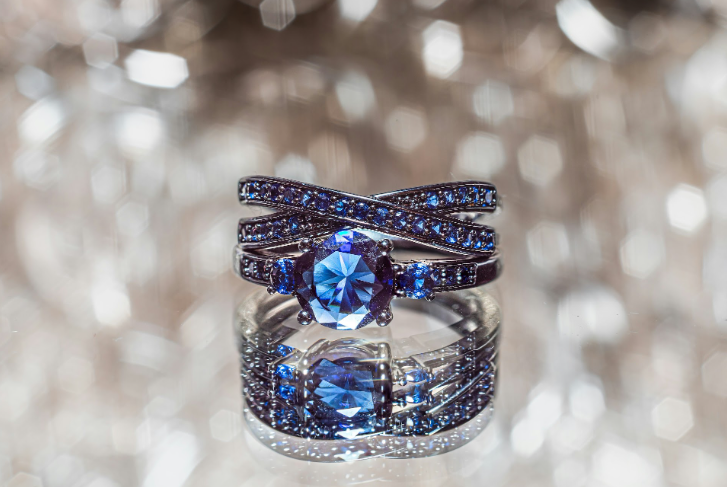
por Mihail Cioinica (https://unsplash.com/@dreamscape_visions)
¿No te decides? No tienes por qué hacerlo. Muchas parejas modernas optan por un impresionante zafiro como piedra central, rodeado por un delicado halo de diamantes, que les ofrece el color intenso y emotivo del zafiro junto con el brillo inconfundible del diamante.
Ya sea que elijas un brillante diamante o un impresionante anillo de compromiso de zafiro , la elección correcta es aquella que te llena de alegría cada vez que refleja la luz. Para obtener más consejos sobre cómo elegir la gema perfecta, explorar tallas únicas o encontrar piedras de origen ético, consulta nuestra completa guía de compra de zafiros y nuestra colección aquí en Oria Gems.
Referencias y fuentes autorizadas
Instituto Gemológico de América (GIA): Factores de calidad y guía de cuidado del zafiro
Enciclopedia de gemas del GIA: Dureza y propiedades del diamante
La Sociedad Internacional de Gemas (IGS): Índice de refracción de gemas y retorno de luz