Contenido del artículo
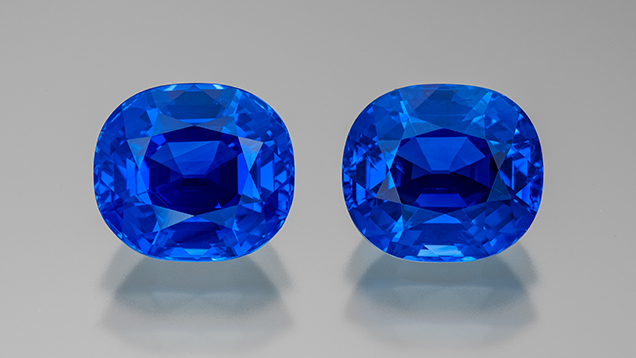
If you have ever compared two blue sapphires that look almost the same and wondered why one costs three times more, the answer is usually one word: heat. One stone got its beauty from the earth alone. The other got a helping hand in a furnace.
That difference matters more than most buyers expect. Below, we break down what "untreated" really means, what drives sapphire value, and how to confirm you are buying what the seller says you are.
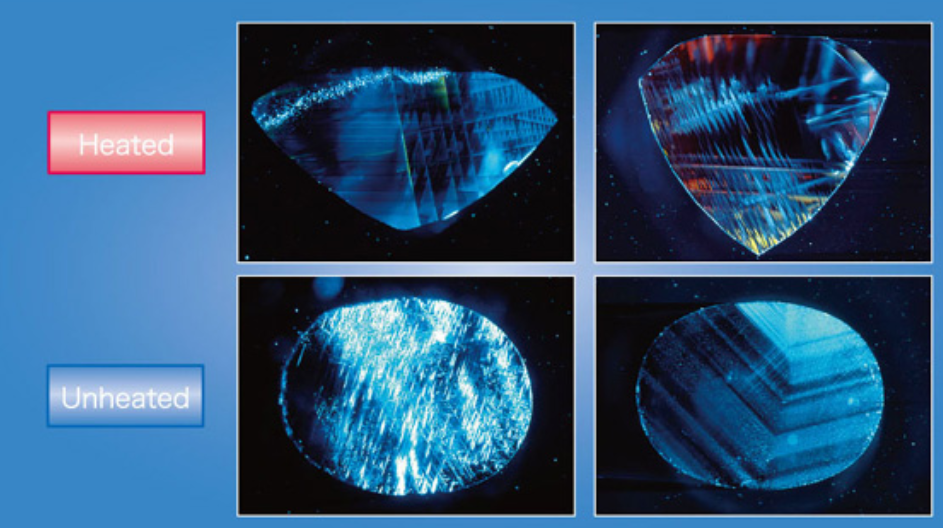 Identification of Heated / Unheated Status
What Does "Untreated" Actually Mean?
An untreated sapphire, also called an unheated sapphire, is a natural sapphire that has only been cut and polished. Nobody has changed its color or clarity with heat, chemicals, fillers or diffusion.
This is not the norm. Heating sapphire is a long-accepted trade practice, and industry sources such as GIA note that the large majority of sapphires on the market have been heated. It is not a scam, as long as it is disclosed. But it does change how rare, and how valuable, a stone is.
Here is a quick look at the common categories:
Note: relative value is a general guide. Final price depends on size, quality and market.
Reason 1: Rarity Does Most of the Work
Most raw sapphire is pale, uneven or full of inclusions. Heating cleans that up, which is why so many stones get heated. A sapphire that shows rich color and good transparency straight out of the ground is the exception, not the rule.
And the larger the stone, the rarer it gets. A clean, vivid, untreated sapphire above 5 carats is something many dealers may see only a handful of times in a career. Simple supply and demand does the rest.
Reason 2: Origin Tells a Story (and Adds Value)
Where a sapphire was formed affects its color, its inclusions and its reputation. Collectors pay attention to this, and top labs will issue an origin opinion on request.
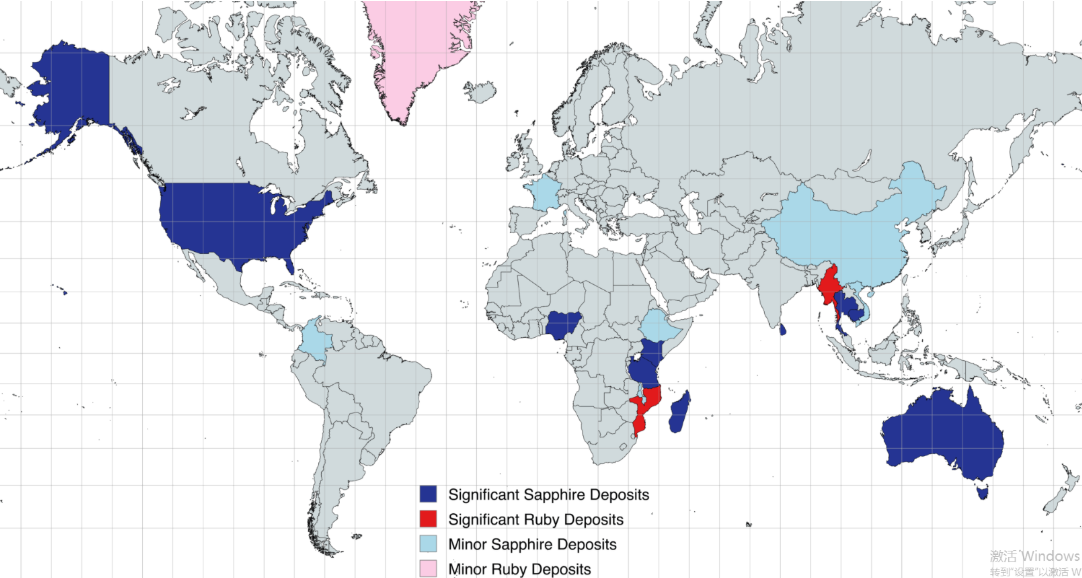
sapphire-origin-map
Origin alone does not make a stone great. A poor Burmese sapphire is still a poor stone. But when fine origin and no heat come together, the premium can be dramatic.
Reason 3: Color Is the Biggest Price Driver
GIA breaks color into three parts: hue (the basic color), tone (how light or dark) and saturation (how pure or intense). For blue sapphire, buyers usually look for a pure to slightly violetish blue, medium to medium-dark tone, and strong to vivid saturation.
Why does that matter for untreated stones? Because heating is often used to push color toward this ideal. When a stone gets there naturally, you are paying for a result that nature produced on its own.
A few color terms you will hear:
Cornflower blue: soft, velvety medium blue, often linked with Kashmir.
Royal blue: deep, vivid blue with a slight purple touch, often linked with Burma.
Padparadscha: a delicate pinkish-orange. Natural, unheated examples are among the most valuable sapphires of all.
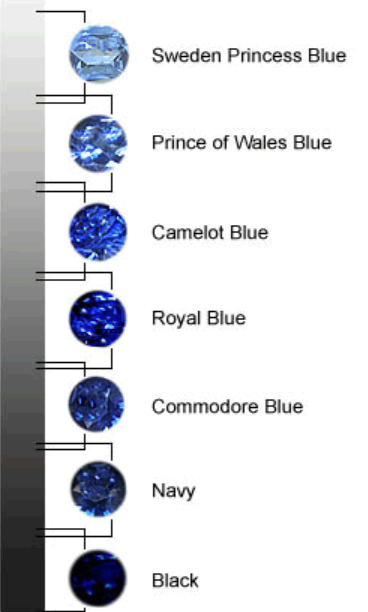
blue-sapphire-color-scale.jpg
Reason 4: Clarity Clues That Prove a Stone Is Natural
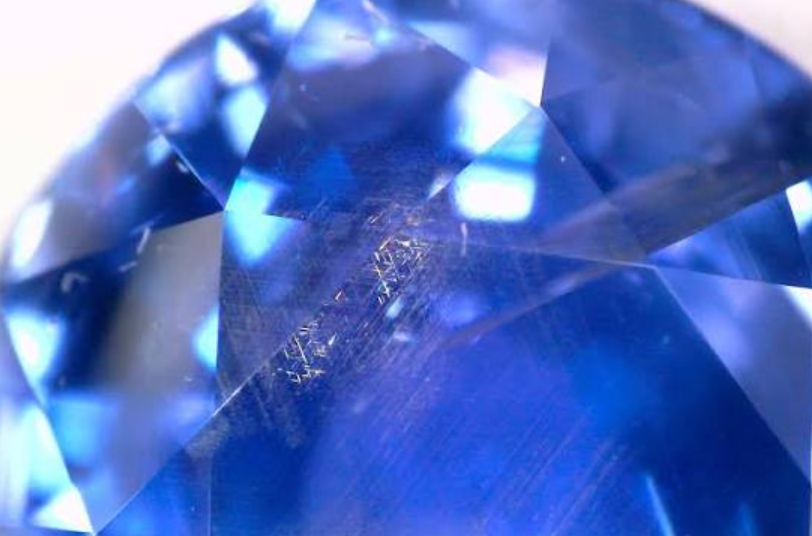
Sapphires are called "Type II" gems, which means they usually carry some visible inclusions. That is normal. In fact, the right inclusions help gemologists tell whether a stone was heated.
unheated-sapphire-silk-inclusions.jpg
Please note that an inclusion-free sapphire is not automatically better. A perfectly clean stone can raise questions, and a few natural inclusions are often a good sign.
Reason 5: Certification Turns a Claim into Proof
You cannot see heat treatment with the naked eye. That is why sapphire certification is the single most important step when buying an untreated stone.
A report from a respected independent lab states the stone's identity, weight, measurements, color, origin (if requested) and treatment status. Well-known labs include GIA, SSEF, Gübelin Gem Lab, AGL and Lotus Gemology.
Pay close attention to the wording on the report. "No indications of heating" is the standard phrase for an unheated sapphire. It means the lab found no evidence of heat, not that heat is impossible. Reports that use vague wording, or come from a lab you cannot verify, deserve extra caution.
A Simple Workflow for Verifying an Untreated Sapphire
Ask for the report first. Request an independent lab report before discussing price.
Match the stone to the report. Check weight, dimensions and report number against the stone.
Read the treatment line. Look for "No indications of heating" (or the lab's equivalent).
Verify online. Most major labs let you confirm a report number on their website.
Check origin, if it matters to you. Origin opinions are separate from treatment results and must be requested.
Compare, then decide. Compare color, size and price against similar certified stones.
Workflow at a glance:
Request report → Match stone to report → Read treatment wording → Verify online → Confirm origin → Compare and buy
Is the Premium Worth It?
That depends on what you want from a sapphire. If you are buying a pretty ring and budget is tight, a well-disclosed heated sapphire can be a smart choice. Heat treatment is accepted, stable and widely traded.
If you care about long-term value, rarity or collecting, untreated is where the premium makes sense. Certified unheated stones with fine color tend to hold their appeal because the supply of them is so limited.
Whichever route you take, one rule applies: insist on clear disclosure. In the United States, the FTC Jewelry Guides expect sellers to disclose treatments that affect a gem's value.
Quick Buyer Checklist
Ask for an independent lab report
Confirm "no indications of heating" on the treatment line
Judge color in different lights
Look for natural, healthy inclusions
Check cut quality, because it affects brilliance
Get the return policy in writing
Ready to See an Untreated Sapphire for Yourself?
At Oria Gems, every natural sapphire we offer comes with clear treatment disclosure, and we are happy to talk you through the details of any stone. If you have questions about origin, color or certification, contact our team and we will help you find the right fit. Or browse our current collection in the shop and see the difference natural color makes.
References
GIA. Sapphire Quality Factors (hue, tone, saturation, clarity, cut). https://www.gia.edu/sapphire-quality-factor
GIA. Sapphire Buying Guide. https://www.gia.edu/sapphire-buying-guide
GIA. Sapphire Description and Gem Encyclopedia (properties, origins, treatments). https://www.gia.edu/sapphire-description
U.S. Federal Trade Commission. Guides for the Jewelry, Precious Metals, and Pewter Industries, 16 CFR Part 23 (treatment disclosure). https://www.ecfr.gov/current/title-16/chapter-I/subchapter-B/part-23
SSEF Swiss Gemmological Institute. Gemstone reports and origin determination. https://www.ssef.ch
Gübelin Gem Lab. Gemstone reports and origin services. https://www.gubelingemlab.com
American Gemological Laboratories (AGL). Colored stone reports. https://aglgemlab.com