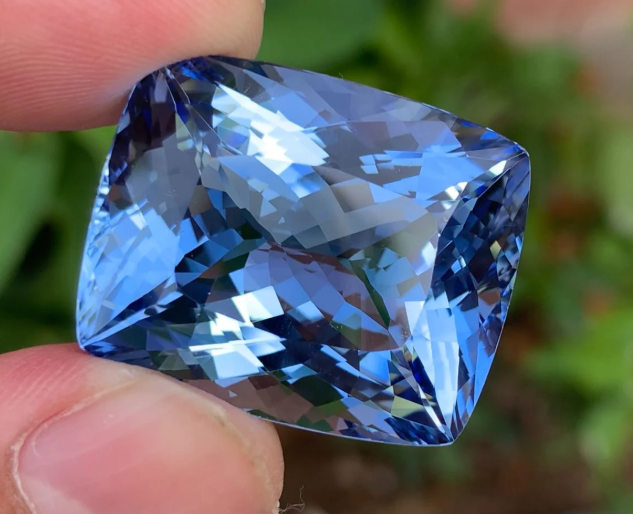
Article Content
Aquamarine has always been more than a gemstone. Its cool, ocean‑blue color evokes calmness, clarity, and the vastness of the sea — qualities that ancient cultures believed were woven into the stone itself. For thousands of years, aquamarine has been associated with protection, courage, and safe passage across water. Today, it remains one of the most beloved gemstones, especially for those born in March.

Sailing Era Nautical Chart at Henry Lymburner blog
Below, we dive into the captivating history of aquamarine, explore its myths, and uncover five fun facts that reveal why this gemstone continues to inspire imagination.
Aquamarine comes straight from Latin aqua marina — "water of the sea." The name shows up in European lapidary texts around the late 1600s and stuck.
🌊 1. Sailors Carried Aquamarine for Protection at Sea
Long before GPS and modern navigation, sailors relied on superstition, ritual, and protective talismans to survive unpredictable waters. Aquamarine — with its unmistakable ocean‑blue hue — became a favorite among seafarers.
Why Aquamarine?
Ancient Romans believed aquamarine was the treasure of mermaids, gifted to sailors for protection.
Greek sailors carried it to calm waves and storms, believing the stone held the spirit of the sea.
Medieval sailors used aquamarine as a good‑luck charm, often set into amulets or carved into protective symbols.
The Belief Behind the Stone
Aquamarine’s color was thought to mirror the sea’s temperament. A clear, calm blue meant safe passage. A darker, stormy blue meant danger. Sailors believed the stone could “communicate” with the ocean, keeping them safe from harm.

Mermaid Mythology: Legends, Symbolism
🧜♀️ 2. Aquamarine Was Once Believed to Be Mermaids’ Treasure
Aquamarine’s connection to mermaids is one of its most whimsical myths. Ancient folklore claimed that aquamarine gemstones washed ashore from mermaids’ chests — treasures lost during storms or battles with sea creatures.
Mythical Uses
Mermaids supposedly used aquamarine to heal sadness and restore calm.
Fishermen believed mermaids gifted aquamarine to humans they favored.
Some legends say aquamarine glowed when danger approached, acting as a warning beacon.
Whether or not mermaids ever existed, the myth adds a magical layer to aquamarine’s story.
🛡️ 3. Aquamarine Was Used as a Symbol of Courage
Beyond sailors, warriors also valued aquamarine. Ancient Roman soldiers carried aquamarine engraved with protective symbols before going into battle.
Symbolic Meaning
Courage
Clear judgment
Emotional balance
Protection from harm
The Romans believed aquamarine sharpened the mind and prevented fear from clouding decision‑making. Even today, aquamarine is associated with inner strength and clarity, making it a popular gemstone for meditation and mindfulness.
🎁 4. Aquamarine Is the Official March Birthstone
Aquamarine’s association with March dates back to the early 20th century, when jewelers standardized birthstones. But its connection to spring is timeless.
Why March?
Its cool blue color symbolizes renewal, fresh beginnings, and the end of winter.
Aquamarine represents clarity, communication, and emotional harmony — qualities often associated with springtime.
Many cultures believed aquamarine brought good fortune to those born under Pisces and Aries.
Modern Meaning
Today, aquamarine jewelry is a favorite gift for March birthdays, anniversaries, and milestone celebrations.
💎 5. Aquamarine Has a Surprisingly Rich Geological Story
Aquamarine belongs to the beryl family, the same mineral group as emerald and morganite. Its color comes from trace amounts of iron within the crystal structure.
Where Aquamarine Comes From
Brazil (Minas Gerais)
Madagascar
Nigeria
Pakistan
Colorado (USA)
Some aquamarine crystals grow as large as watermelons, making them ideal for cutting into large, flawless gemstones.
📘 Quick Comparison Sheet: Aquamarine at a Glance


Beryl Mineral Structure
🔧 Aquamarine Lore Workflow (How Myths Developed Over Time)
Ancient Sea Travel
↓
Sailors Observe Aquamarine’s Ocean-Like Color
↓
Belief Forms: Stone Connects to the Sea
↓
Myths Spread: Mermaids, Protection, Calm Waters
↓
Cultural Adoption: Romans, Greeks, Medieval Europe
↓
Modern Symbolism: Birthstone, Healing, Jewelry

Aquamarine platinum ring
🌟 Why Aquamarine Still Captivates Us Today
Aquamarine’s beauty is undeniable, but its charm lies in the stories it carries. From ancient sailors who trusted it with their lives to modern wearers who appreciate its calming energy, aquamarine remains a gemstone rich in meaning.
Whether you’re drawn to its history, its myths, or its serene color, aquamarine continues to be a symbol of protection, clarity, and timeless elegance.
If you’re inspired to explore aquamarine jewelry or want to learn more about custom gemstone pieces, feel free to reach out through our Contact page — we’re always here to help you discover the perfect gemstone.
Authoritative References
Gemological Institute of America (GIA) – Aquamarine Gemstone Guide
American Gem Trade Association (AGTA) – Beryl Family Overview
Smithsonian National Museum of Natural History – Mineral & Gemstone Collection
Encyclopedia Britannica – Aquamarine and Beryl Mineral Data