Article Content
When people think about luxury gemstones, diamonds often come to mind first. Yet many of the world's most expensive gemstones are actually colored gemstones. Their breathtaking hues, limited supply, and centuries of cultural significance have made them some of the most sought-after treasures on earth.
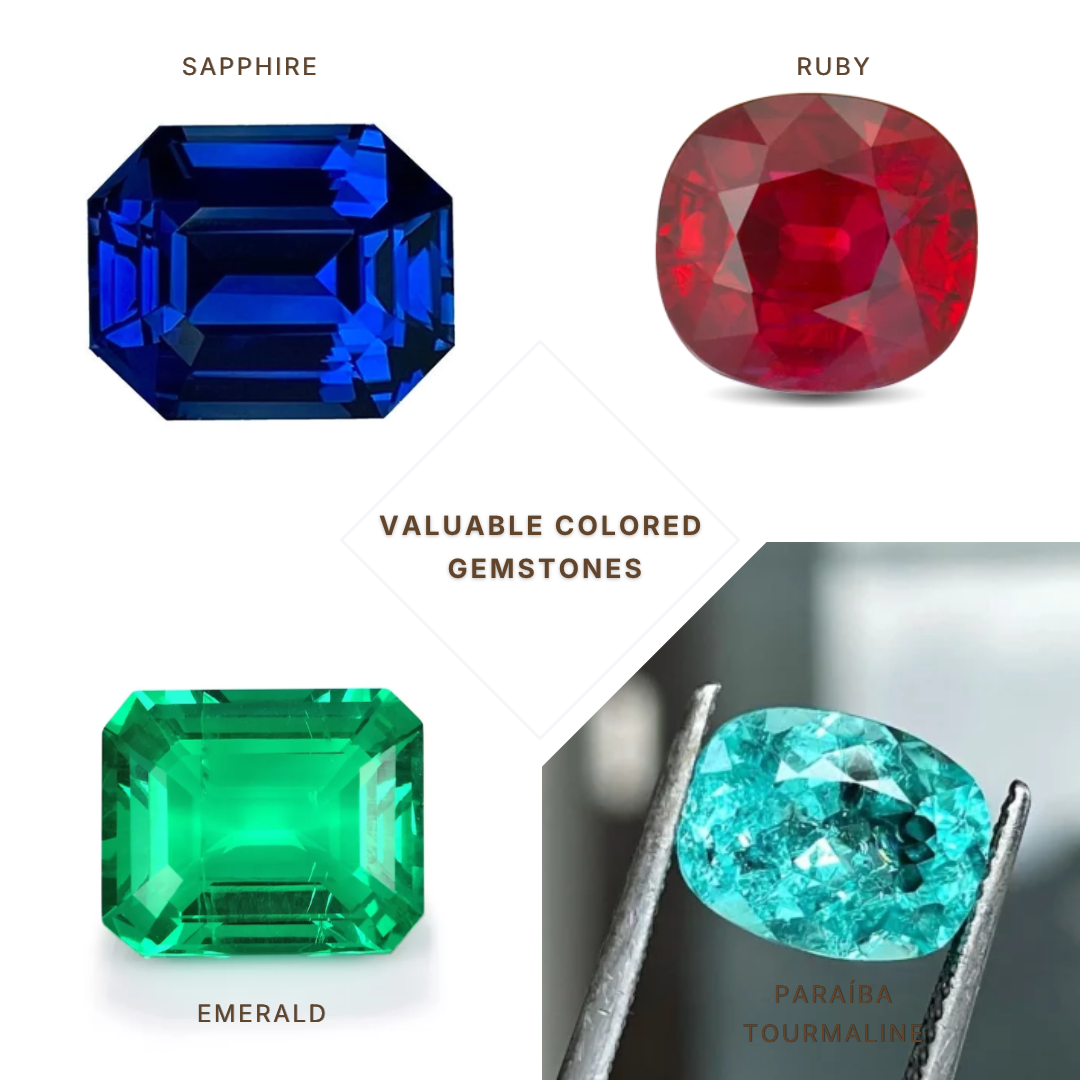
From the deep blue of Sapphire to the legendary red of Ruby, the lush green of Emerald, and the electric neon glow of Paraíba Tourmaline, these exceptional gems represent the pinnacle of beauty and rarity.
For gemstone collectors, investors, and fine jewelry lovers, understanding these valuable colored gemstones is essential when selecting a truly exceptional piece.
Why Are Some Colored Gemstones So Valuable?
Not all gemstones are created equal. Several factors determine whether a gemstone becomes a highly valuable collector's item or remains commercially available.
Key Value Factors
The combination of these characteristics determines a gemstone's desirability within the international market.
How do colored gemstones compare to diamonds?
Top colored gemstones can exceed many diamonds on a per-carat basis, but the comparison depends on which diamond and which gemstone you mean. A commercial diamond is not comparable to a top Burmese ruby, just as a pale included sapphire is not comparable to a rare fancy colored diamond. The fairest comparison is quality against quality, with documentation, rarity, and market demand considered together.
The takeaway is not that colored stones are “better” than diamonds. It is that the market for precious gemstones rewards rarity in a more individualized way. Two stones of the same species and carat weight can have completely different values because one has superior color, a coveted origin, and no detectable treatment.
The "Big Three" Precious Gemstones
Historically, Ruby, Sapphire, and Emerald have been recognized as the "Big Three" precious gemstones. These gems have adorned crowns, royal regalia, and museum collections for centuries.
Today, Paraíba Tourmaline has emerged as one of the most coveted rare gemstones, joining the ranks of the world's elite colored stones.
1. Sapphire: The King of Blue Gemstones
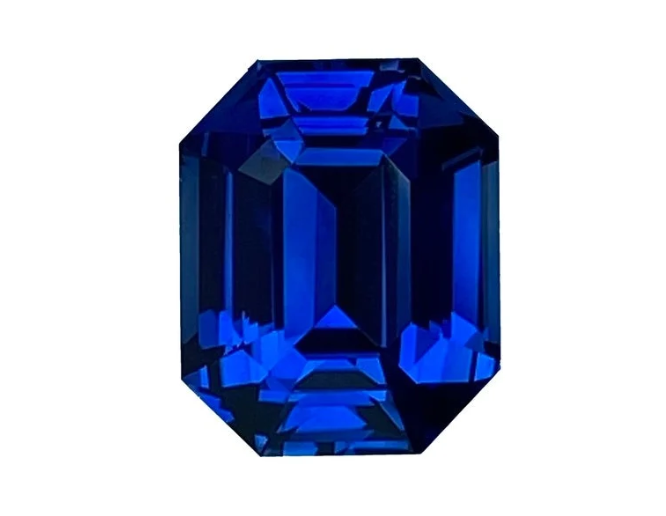
Sapphire has long symbolized wisdom, loyalty, and nobility. Although sapphire occurs in many colors, blue sapphire remains the most valuable and recognizable variety.
What Makes Sapphire Valuable?
The finest sapphires display:
Rich, vivid blue color
Excellent transparency
Minimal inclusions
Strong color consistency
Superior cutting quality
The legendary sapphires of Kashmir are among the rarest in the world and can command extraordinary prices due to their exceptional velvety blue appearance.
Popular Sapphire Origins
Investment Appeal
High-quality blue sapphires have remained consistently desirable due to limited supply and strong global demand. Exceptional untreated sapphires with documented origins often attract serious collectors and investors.
2. Ruby: The Ultimate Red Gemstone
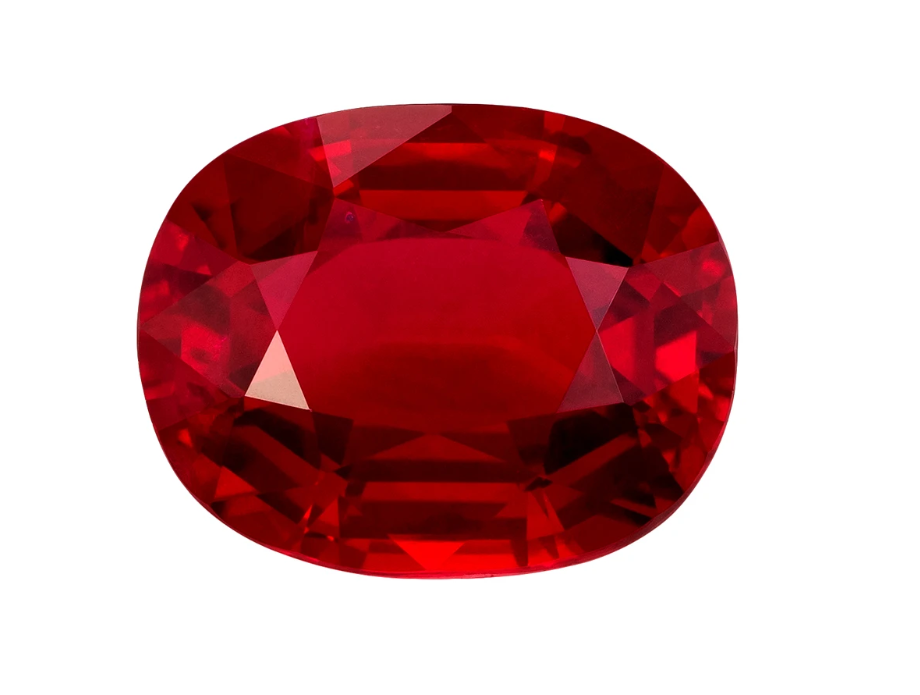
Vivid Pigeon Blood Ruby
Among all colored gemstones, Ruby is often considered the most valuable per carat.
Its intense red color has made it a symbol of power, passion, and prosperity for centuries.
What Makes Ruby So Expensive?
Ruby belongs to the corundum family, the same mineral species as sapphire. Trace amounts of chromium create its famous red color.
The highest-quality rubies display:
✅ Vivid red hue
✅ Strong saturation
✅ High transparency
✅ Excellent brilliance
✅ Minimal visible inclusions
The most desirable stones are often described as having"Pigeon Blood" color, a term used for exceptionally rich and vibrant red rubies.
Leading Ruby Sources
Why Collectors Love Ruby
Large fine-quality rubies are considerably rarer than diamonds of comparable size. This rarity, combined with exceptional demand, makes ruby one of the world's most expensive gemstones.
3. Emerald: Nature's Rich Green Masterpiece
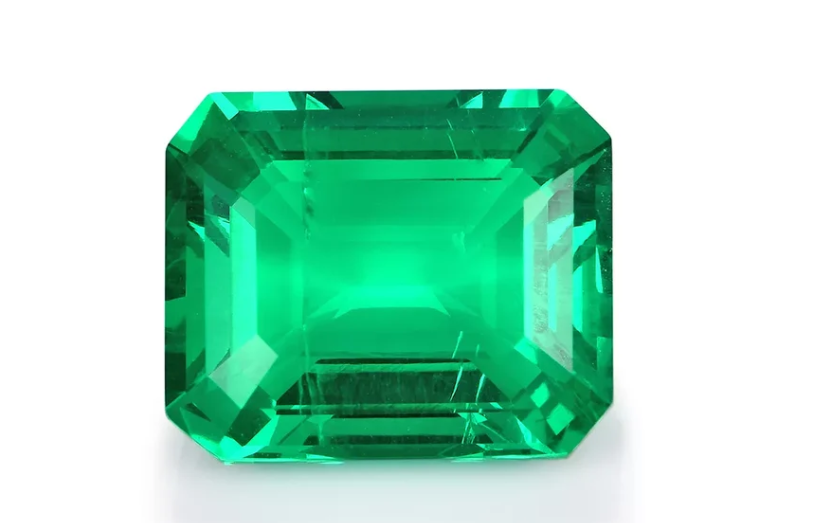
Fine Colombian Emerald
Emerald has captivated civilizations for thousands of years. Ancient Egyptian royalty, including Cleopatra, famously treasured emeralds.
Known for their lush green color, emeralds offer a beauty unlike any other gemstone.
Defining Features of Fine Emeralds
The finest emeralds possess:
Rich green color
Strong saturation
Attractive transparency
Even color distribution
Good brightness
Unlike sapphires and rubies, emeralds frequently contain natural inclusions, often called the gemstone's "garden."
These inclusions are generally accepted and can actually help confirm natural origin.
Most Famous Emerald Origins
Emerald in Fine Jewelry
Because each emerald possesses unique internal characteristics, no two stones are exactly alike. This individuality significantly contributes to their enduring appeal among collectors.
4. Paraíba Tourmaline: The Neon Treasure of the Gem World
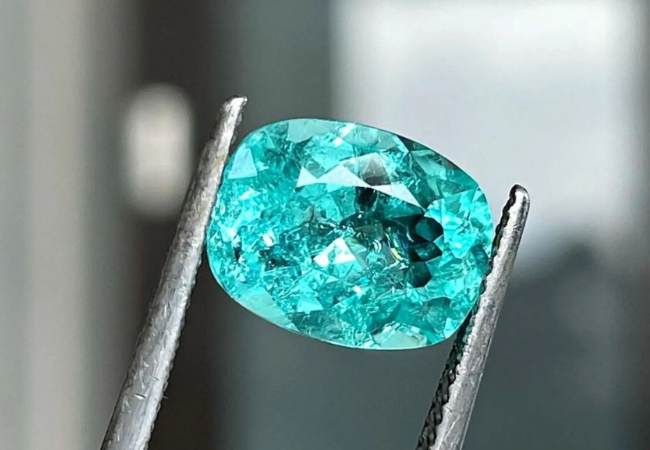
Neon Blue-Green Paraíba Tourmaline
Paraíba Tourmaline is one of the most extraordinary gemstone discoveries of modern times.
First recognized from Brazil's Paraíba state, these gems stunned the industry with their electric blue and neon green colors.
Why Paraíba Tourmaline Is So Rare
Unlike ordinary tourmalines, Paraíba Tourmalines contain copper, which contributes to their celebrated glow.
Characteristics include:
Neon blue color
Electric turquoise appearance
Intense luminosity
Exceptional rarity
Strong collector demand
Paraíba Sources
Market Value
Fine Paraíba Tourmalines can achieve remarkable prices due to their limited supply and highly distinctive appearance. Top examples are considered among the most valuable colored gemstones in the world.
How Gemstone Value Is Evaluated
Professional gemologists typically follow a structured assessment process before assigning value.
Gemstone Evaluation Workflow
Mine Origin
↓
Rough Gem Discovery
↓
Cutting & Polishing
↓
Color Assessment
↓
Clarity Analysis
↓
Treatment Detection
↓
Laboratory Certification
↓
Market Valuation
↓
Retail or Collector Sale
This workflow helps ensure transparency and consistency throughout the gemstone supply chain.
Comparing the World's Most Valuable Colored Gemstones
While all four gemstones are highly prized, their values ultimately depend on individual quality, rarity, and market demand.
Why Collectors Are Turning to Colored Gemstones
The global fine jewelry market has experienced growing interest in colored gemstones over recent years. Many collectors appreciate their uniqueness, rarity, and historical significance.
Unlike mass-produced luxury items, fine gemstones are natural creations formed over millions of years. Their limited availability helps maintain long-term desirability among buyers seeking something truly exceptional.
For investors and collectors alike, premium colored gemstones represent a fascinating combination of beauty, rarity, and tangible value.
Final Thoughts
Whether you are drawn to the velvety blue of Sapphire, the legendary red of Ruby, the lush green of Emerald, or the electric glow of Paraíba Tourmaline, these remarkable treasures continue to represent the very best of the gemstone world.
At Oria Gems, we believe every gemstone tells a unique story. If you are looking for rare gemstones, precious gemstones, or investment-quality colored gemstones, our team can help you find the perfect stone for your collection or jewelry project. Contact our gemstone specialists today through our contact page: https://www.oriagems.com/contact and let us help you discover a gemstone that is as rare and remarkable as your vision.
Category (CAT): Colored Gemstones
Authoritative References
Gemological Institute of America (GIA). "Colored Stone Research." GIA states that ruby, sapphire, and emerald are the most important gemstones in the modern fine jewelry market and provides research on geographic origin determination of colored stones. [gia.edu]
Gemological Institute of America (GIA). "Geographic Origin Determination of Paraíba Tourmaline." GIA describes Paraíba Tourmaline as a copper-bearing gem tourmaline prized for its vivid blue-to-green color. [gia.edu]
Gemological Institute of America (GIA). "Geology of Corundum and Emerald Gem Deposits." GIA notes that ruby and sapphire are varieties of corundum, while emerald belongs to the beryl family and remains one of the most important colored gemstones globally. [gia.edu]
Gemological Institute of America (GIA). Colored Stone Laboratory Services and Origin Determination Research. GIA provides identification, treatment detection, and origin determination for ruby, sapphire, emerald, and copper-bearing Paraíba tourmaline. [gia.edu], [gia.edu]