Article Content
Introduction
Chrysoberyl cat's eye stands as one of the most captivating and valuable gemstones in the world, prized by collectors and jewelry enthusiasts for its remarkable optical phenomenon known as chatoyancy. This rare variety of chrysoberyl exhibits a distinctive luminous band that appears to move across the stone's surface, resembling the reflective pupil of a cat's eye—a characteristic that has fascinated gemologists and gem lovers for centuries. Whether you are considering a chrysoberyl cat's eye gemstone for an investment, a piece of fine jewelry, or simply seeking to understand the unique properties of this extraordinary mineral, this comprehensive guide will provide you with all the essential information you need.
What is Chrysoberyl Cat's Eye?
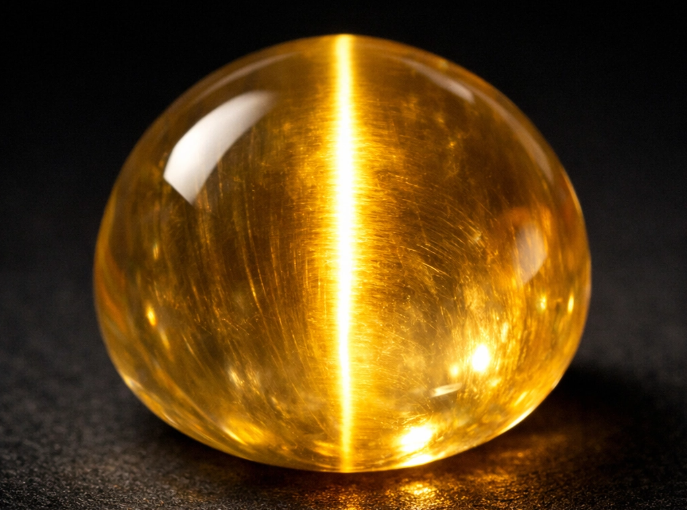
Chrysoberyl is a beryllium aluminate mineral with the chemical formula BeAl₂O₄, and despite its name, it is not actually part of the beryl family of minerals [1]. The name derives from the Greek words "chrysos" (golden) and "beryl" (green), reflecting the gemstone's typical coloration [2]. Cat's eye chrysoberyl represents a specific variety of this mineral that exhibits the optical phenomenon of chatoyancy, a silky luster that creates a sharp band of light moving across the stone's surface when viewed under direct light.
This optical effect occurs due to the presence of parallel needle-like inclusions of rutile within the chrysoberyl crystal structure. When light enters the stone and reflects off these microscopic fibers, it produces the distinctive cat's eye effect [3]. The quality and sharpness of this eye effect are critical factors in determining the value and desirability of the gemstone.
Physical and Optical Properties
Chrysoberyl cat's eye possesses several remarkable physical characteristics that make it an exceptional choice for fine jewelry and gemstone collections:
| Property | Value |
| Hardness (Mohs Scale) | 8.5 |
| Refractive Index | 1.746–1.755 |
| Specific Gravity | 3.70–3.78 |
| Crystal System | Orthorhombic |
| Cleavage | Indistinct |
| Optical Phenomenon | Chatoyancy (cat's eye effect) |
| Typical Colors | Yellow, yellow-green, honey, golden-brown |
With a hardness of 8.5 on the Mohs scale, chrysoberyl cat's eye jewelry is exceptionally durable and suitable for everyday wear, making it second only to diamonds and corundum (rubies and sapphires) in terms of hardness [4]. This exceptional durability ensures that pieces crafted from this gemstone will retain their beauty and luster for generations.
Historical Significance and Cultural Lore
The history of chrysoberyl cat's eye spans centuries, with documented evidence of its use and appreciation across multiple civilizations and cultures. In Asia and the Middle East, chrysoberyl has long been regarded as a protective stone, recommended to guard against the evil eye and negative energies [5]. The gemstone's association with protection and spiritual power has made it a treasured talisman in various cultural traditions.
A significant moment in the gemstone's modern history occurred during the 19th century when renewed interest in chrysoberyl cat's eye emerged following a presentation by the Duke of Connaught, Queen Victoria's third son, who gifted a remarkable cat's eye chrysoberyl to the British royal collection [6]. This royal endorsement elevated the gemstone's status among European nobility and wealthy collectors, establishing its place in the world of fine jewelry.
The largest cut cat's eye chrysoberyl in existence is documented by the Smithsonian Institute, representing a remarkable example of this gemstone's potential size and quality [7]. This exceptional stone serves as a testament to the rarity and value of high-quality specimens.
The Science Behind the Cat's Eye Effect
The chatoyancy effect that defines chrysoberyl cat's eye gemstone is a fascinating optical phenomenon rooted in the stone's internal structure. The parallel rutile needle inclusions within the chrysoberyl crystal create a phenomenon known as "asterism," where light reflects off these aligned fibers to produce a concentrated band of luminosity [8].
For the cat's eye effect to be pronounced and valuable, several conditions must be met:
1 Proper Orientation: The stone must be cut with the cabochon dome aligned perpendicular to the direction of the rutile fibers, ensuring the eye effect is centered and visible from the front.
2 Optimal Fiber Density: The rutile needles must be present in sufficient concentration to create a sharp, well-defined band, but not so densely packed that they cloud the stone's transparency.
3 Quality of Cut: The cabochon cut must be executed with precision to maximize light reflection and create a sharp, centered eye that moves smoothly across the stone's surface as it is rotated.
Gemologists evaluate the quality of the cat's eye effect based on its sharpness, centering, and the contrast between the eye and the surrounding stone. A high-quality cat's eye exhibits a sharp, well-defined band that moves smoothly from one edge of the stone to the other, creating a mesmerizing visual effect [9].
Color Varieties and Quality Factors
Cat's eye chrysoberyl occurs in a range of colors, each with distinct characteristics and market values. The most prized specimens typically display warm, saturated hues that enhance the visibility and impact of the cat's eye effect.
Primary Color Varieties
Golden Yellow and Honey: These are among the most desirable colors for chrysoberyl cat's eye, offering excellent transparency and a warm, luxurious appearance. Stones in these color ranges typically command premium prices in the gemstone market.
Yellow-Green: This color variety represents a transition between pure yellow and green hues. Specimens with balanced yellow-green coloration are highly valued for their unique aesthetic appeal.
Brown and Golden-Brown: Chrysoberyl cat's eye stones with brownish undertones are more affordable than their golden counterparts, yet they can still exhibit excellent cat's eye effects and clarity.
Key Value Factors
The value of chrysoberyl cat's eye jewelry and loose gemstones is determined by several interconnected factors:
Color Saturation: Vivid, well-saturated colors command higher prices than pale or washed-out specimens. The intensity of the golden or yellow hue directly influences market value.
Clarity: High-quality chrysoberyl cat's eye stones should be transparent with minimal visible inclusions. Gemstones of higher clarity are rarer and hold significantly greater value [10].
Carat Weight: Larger specimens are considerably rarer than smaller stones. Chrysoberyl cat's eye stones over 5 carats become increasingly scarce and valuable.
Cat's Eye Quality: The sharpness, centering, and movement of the eye effect are paramount. A well-defined, centered eye that moves smoothly across the stone's surface dramatically increases value.
Origin: Certain geographic origins, particularly Sri Lanka and Brazil, are associated with high-quality specimens and may command premium prices [11].
Price Range
The market price for chrysoberyl cat's eye varies considerably based on quality:
• Cabochon stones with yellow-green coloration: $150–$1,000 per carat
• Stones with browner hues: $60–$900 per carat
• Premium specimens with excellent eye effect and vivid coloration: $1,000–$3,000+ per carat
• Exceptional museum-quality stones: $2,000–$5,000+ per carat [12]
Mining and Geographic Origins
The primary sources of high-quality chrysoberyl cat's eye are concentrated in specific geographic regions known for producing exceptional specimens. Understanding the origin of a gemstone provides valuable context regarding its quality and characteristics.
Major Producing Regions
Sri Lanka: Renowned as the world's premier source of chrysoberyl cat's eye, Sri Lanka produces some of the finest specimens available in the gemstone market. The island's geological formations yield stones with exceptional clarity and well-defined cat's eye effects.
Brazil: Brazilian chrysoberyl cat's eye stones are highly valued for their warm coloration and excellent optical properties. The country produces a significant portion of the world's commercial-grade chrysoberyl cat's eye.
India: Certain regions of India produce chrysoberyl cat's eye stones, though they are generally considered secondary sources compared to Sri Lanka and Brazil.
Madagascar: This island nation has emerged as an additional source of chrysoberyl cat's eye in recent years, contributing to the global supply of this gemstone.
Chrysoberyl Cat's Eye in Fine Jewelry
The exceptional durability and optical beauty of chrysoberyl cat's eye make it an ideal choice for a wide range of jewelry applications. From vintage estate pieces to contemporary designs, this gemstone has graced the collections of royalty, celebrities, and discerning collectors worldwide.
Jewelry Design Considerations
Ring Settings: Chrysoberyl cat's eye is particularly popular in ring designs, where the cabochon cut can be showcased prominently. The stone's durability makes it suitable for engagement rings and daily-wear jewelry, though many collectors prefer to reserve exceptional specimens for special occasions.
Pendant and Necklace Applications: The gemstone's striking appearance makes it an excellent choice for pendant designs, where the cat's eye effect can be appreciated from multiple angles and distances.
Brooch and Vintage Designs: Chrysoberyl cat's eye has long been favored in vintage and estate jewelry, particularly in Art Deco and mid-century designs where the stone's unique optical properties are highlighted through sophisticated metalwork.
Care and Maintenance
To preserve the beauty and longevity of chrysoberyl cat's eye jewelry, proper care and maintenance are essential. The gemstone should be cleaned gently using lukewarm water and mild soap, with a soft brush to remove accumulated dust and debris. Avoid exposing the stone to sudden temperature changes or harsh chemicals, which may cause damage to the crystal structure [13].
Chrysoberyl Cat's Eye vs. Other Cat's Eye Stones
While chrysoberyl cat's eye is among the most valuable and desirable cat's eye gemstones, other minerals also exhibit the chatoyancy effect. Understanding the distinctions between these stones is important for collectors and jewelry enthusiasts.
Comparative Analysis
Chrysoberyl Cat's Eye vs. Tiger's Eye: Tiger's eye is a more affordable alternative that exhibits a similar cat's eye effect. However, tiger's eye is significantly softer (Mohs hardness 6.5–7) and more porous, making it less suitable for jewelry applications requiring durability. Chrysoberyl cat's eye's superior hardness and transparency make it the more valuable and practical choice for fine jewelry.
Chrysoberyl Cat's Eye vs. Tourmaline Cat's Eye: Tourmaline cat's eye stones are rarer than tiger's eye but generally less valuable than chrysoberyl cat's eye. The optical quality and durability of chrysoberyl typically exceed those of tourmaline cat's eye specimens [14].
Chrysoberyl Cat's Eye vs. Aquamarine Cat's Eye: Aquamarine cat's eye stones are quite rare and highly valued. However, aquamarine's lower hardness (7.5–8 on the Mohs scale) compared to chrysoberyl makes it less suitable for everyday wear in jewelry applications.
Investment Potential and Market Trends
For collectors and investors interested in gemstones as alternative investments, chrysoberyl cat's eye presents several compelling advantages. The gemstone's rarity, exceptional durability, and enduring demand from collectors worldwide have contributed to consistent appreciation in value over time.
Investment Considerations
Rarity and Supply: The limited geographic sources of high-quality chrysoberyl cat's eye and the relatively small percentage of chrysoberyl specimens that exhibit a well-defined cat's eye effect contribute to the gemstone's scarcity and investment appeal.
Demand and Market Stability: Chrysoberyl cat's eye maintains steady demand among collectors, jewelry designers, and investors, supporting stable market prices and long-term value retention.
Authentication and Certification: Prospective investors should prioritize acquiring gemstones accompanied by certificates from reputable gemological laboratories, such as the Gemological Institute of America (GIA) or the International Gemological Institute (IGI), which authenticate the stone's identity and document its characteristics [15].
Diversification: Chrysoberyl cat's eye offers an opportunity to diversify investment portfolios with tangible, portable assets that have demonstrated historical value appreciation.
How to Select High-Quality Chrysoberyl Cat's Eye
Choosing a high-quality chrysoberyl cat's eye gemstone requires knowledge of the key characteristics that distinguish exceptional specimens from ordinary ones. Whether purchasing for personal enjoyment or investment purposes, the following guidelines will assist in making an informed selection.
Selection Criteria
Evaluate the Cat's Eye Effect: Examine the stone under direct light to assess the sharpness and definition of the eye. A high-quality specimen will display a sharp, well-centered band that moves smoothly across the stone's surface as it is rotated. Avoid stones with diffuse or poorly centered eyes.
Assess Color Quality: Look for vivid, well-saturated colors with good transparency. The stone should display a warm, luxurious hue without appearing washed out or overly dark.
Examine Clarity: Use magnification to inspect the stone for visible inclusions or fractures. High-quality specimens should be transparent with minimal visible imperfections.
Verify Authenticity: Request a gemological certificate from a reputable laboratory that confirms the stone's identity, origin, and treatment status.
Consider Size and Carat Weight: Larger stones are considerably rarer and more valuable. However, even smaller specimens of exceptional quality can be highly desirable and valuable.
Conclusion
Chrysoberyl cat's eye represents a remarkable intersection of geological rarity, optical beauty, and historical significance. From its ancient use as a protective talisman to its contemporary status as a prized gemstone for fine jewelry and investment portfolios, this extraordinary mineral has captivated human imagination for centuries. The distinctive cat's eye effect, combined with the stone's exceptional hardness and transparency, makes it an ideal choice for collectors, jewelry enthusiasts, and investors seeking a gemstone that combines aesthetic beauty with practical durability.
Whether you are drawn to the allure of chrysoberyl cat's eye jewelry for its stunning visual appeal, intrigued by the scientific principles underlying its optical properties, or interested in acquiring specimens for investment purposes, understanding the key characteristics and factors that influence value will enhance your appreciation and decision-making. By selecting high-quality specimens from reputable sources and maintaining them with proper care, you can ensure that your chrysoberyl cat's eye gemstones will retain their beauty and value for generations to come.
References
[1] Gemological Institute of America. (2025). "Chrysoberyl: Gemstone Information." https://www.gia.edu/
[2] International Colored Gemstone Association. (2025). "Chrysoberyl." https://www.gemstone.org/chrysoberyl
[3] Gem Society. (2025). "Chrysoberyl Value, Price, and Jewelry Information."https://www.gemsociety.org/article/chrysoberyl-jewelry-gemstone-information/
[4] Geology.com. (2025). "Chrysoberyl, Cat's Eye Chrysoberyl and Alexandrite." Retrieved from https://geology.com/minerals/chrysoberyl.shtml
[5] Perrakis, A. (2019). "Crystal Lore, Legends & Myths: The Fascinating History of the World's Most Powerful Gems and Stones." https://books.google.com/books
[6] Berganza. (2025). "Chrysoberyl - History, Significant Features, FAQs." Retrieved from https://www.berganza.com/knowledge/gemmology/gemstones/chrysoberyl
[7] Gem Society. (2025). "The World's Largest Cut Cat's-Eye Chrysoberyl." Retrieved from https://www.gemsociety.org/article/the-eye-of-the-lion/
[8] IGI (International Gemological Institute). (2020). "Phenomenal Cat's-Eye and Color-Change Chrysoberyl."https://www.igi.org/phenomenal-cats-eye-and-color-change-chrysoberyl/
[9] Natural Gemstones. (2025). "Interesting Facts about Chrysoberyl Cat's Eye."https://naturalgemstones.com/education/interesting-facts-about-chrysoberyl-cats-eye/
[10] The Rare Gem Collection. (2024). "The World of Cat's Eye Chrysoberyl Gemstones."https://www.raregemcollection.com/post/exploring-the-captivating-world-of-cats-eye-chrysoberyl-gemstones
[11] Natural Gemstones. (2025). "Chrysoberyl Cat's Eye Pricing Guide." Retrieved from https://naturalgemstones.com/education/chrysoberyl-cats-eye-pricing-guide/
[12] GemRock Auctions. (2022). "Chrysoberyl Gemstone: Properties, Meanings, Value & More." https://www.gemrockauctions.com/learn/a-z-of-gemstones/chrysoberyl
[13] Moonrise Crystals. (2025). "Chrysoberyl Meaning: Healing Energy, Geology, & History." https://moonrisecrystals.com/chrysoberyl-meaning/
[14] Natural Gemstones. (2025). "Historical Perspective of Chrysoberyl Cat's Eye."https://naturalgemstones.com/education/historical-perspective-of-chrysoberyl-cats-eye/
[15] Paraiba International. (2025). "Cat's Eye Chrysoberyl 21.45 Carats."https://www.paraibainternational.com/products/cats-eye-chrysoberyl-21-45-carats