Article Content
Royal Blue Sapphires are among the most coveted gemstones in the world, celebrated for their intense and captivating hue. For enthusiasts and collectors alike, understanding what defines a true royal blue sapphire is crucial. This article delves into the characteristics that distinguish this exceptional color, helping you identify the perfect royal blue sapphire color for your collection or jewelry.
What Defines a Royal Blue Sapphire?
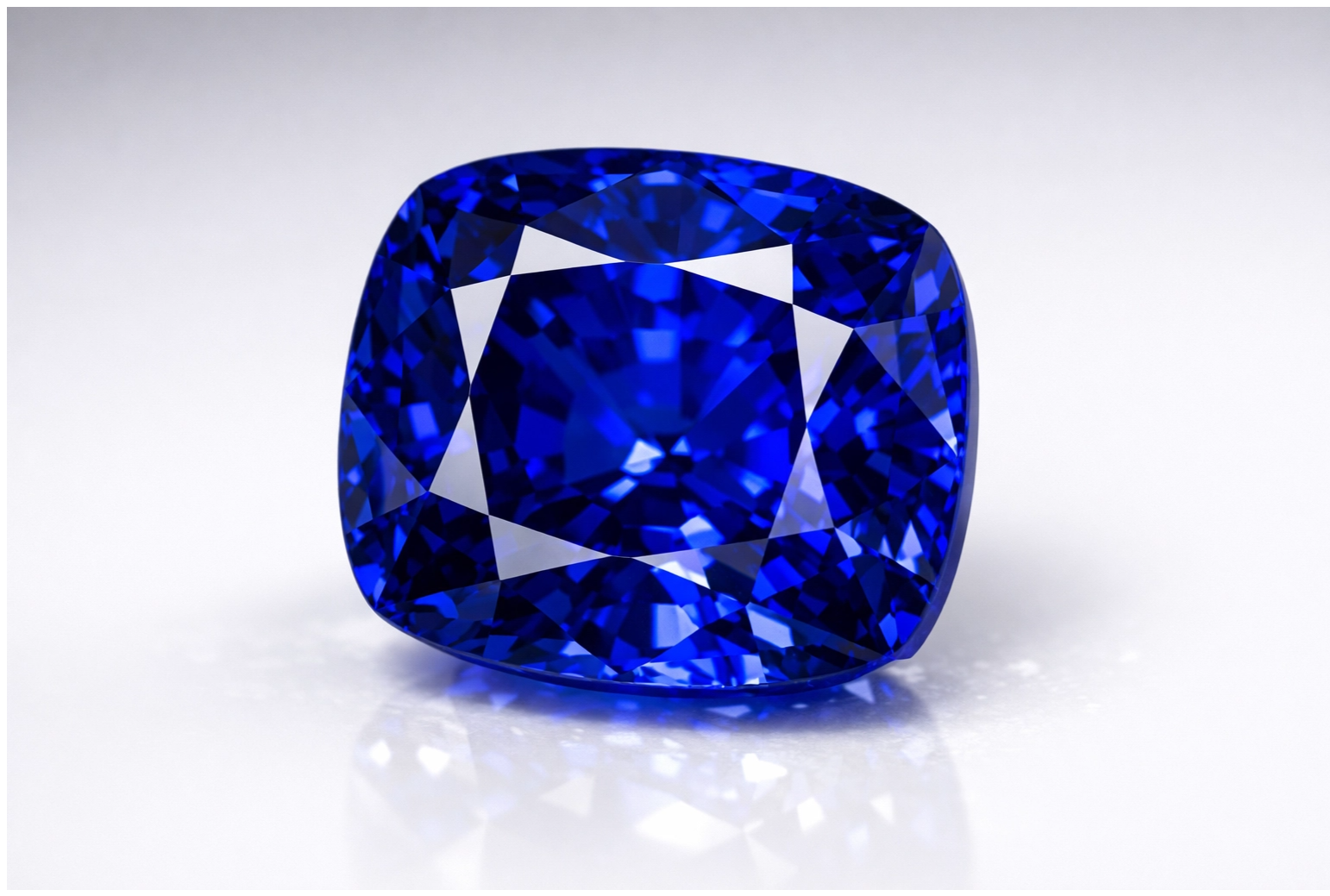
The term "Royal Blue" is a trade designation used to describe a specific, highly saturated, and vivid blue color in sapphires. While all sapphires are beautiful, the royal blue variety stands out due to its unparalleled depth and brilliance. Gemological laboratories like the Swiss Gemmological Institute (SSEF) and the Gemological Institute of America (GIA) have established criteria to define this premium color, focusing on hue, saturation, and tone [1] [2].
Unlike the broader category of "sapphire blue," which encompasses a wide spectrum of blue shades, royal blue refers to a narrow, highly desirable range. It is characterized by a pure, intense blue with often a subtle violetish secondary hue, devoid of undesirable green or gray modifiers [2].
Key Characteristics of the Perfect Royal Blue Sapphire Color
Identifying a truly perfect royal blue sapphire involves evaluating several key color components:
Hue: The primary color of the sapphire should be a pure, vibrant blue. A slight violetish tint is often present and can enhance the stone's appeal, contributing to the rich royal blue sapphire color. However, any noticeable green or gray undertones detract from its value and classification as royal blue [2].
Saturation: This refers to the intensity or purity of the color. Royal Blue Sapphires exhibit strong to vivid saturation, meaning the color is rich and full, not weak or washed out. This high saturation is a hallmark of the royal blue designation [1].
Tone: The tone describes the lightness or darkness of the color. An ideal royal blue sapphire will have a medium to medium-dark tone. Stones that are too light may appear pale, while those that are too dark can look inky or blackish, diminishing the vibrant royal blue appearance [2].
Clarity and Transparency: While color is paramount, clarity plays a significant role. A perfect royal blue sapphire should possess high transparency, allowing light to pass through and interact with the facets, enhancing its brilliance. Inclusions should be minimal and not detract from the stone's overall beauty or transparency [1].
Royal Blue vs. Sapphire Blue: Understanding the Distinction
The distinction between royal blue vs sapphire blue is crucial for gem buyers. "Sapphire blue" is a general term that can refer to any blue sapphire, regardless of its specific shade, saturation, or tone. This broad category includes everything from pale sky blues to very dark, almost blackish blues, and those with noticeable secondary hues like green or gray.
In contrast, royal blue is a premium descriptor reserved for the finest blue sapphires that meet stringent color criteria. It signifies a blue that is exceptionally vivid, pure, and well-saturated, embodying the regal quality that the name suggests. This specific color grade often commands a higher price due to its rarity and aesthetic appeal.
How to Identify the Perfect Royal Blue Sapphire Color
To confidently identify a perfect royal blue sapphire color, consider the following steps:
Examine the Hue: Look for a pure, intense blue. Hold the sapphire against a white background under natural daylight to accurately assess its primary color. Avoid stones with obvious green or gray modifiers.
Assess Saturation: The color should be vibrant and strong, not dull or muted. A truly royal blue sapphire will have a captivating intensity that draws the eye.
Check the Tone: Ensure the tone is medium to medium-dark. If the stone appears too dark, it might be an "inky" blue, which lacks the desired brilliance of a royal blue. If it's too light, it won't have the rich depth.
Evaluate Transparency and Clarity: The sapphire should be transparent, allowing light to reflect and refract beautifully. While some minor inclusions are natural, they should not be eye-visible or impair the stone's brilliance.
Seek Certification: For significant purchases, always request a gemological report from reputable laboratories such as GIA or SSEF. These reports provide an objective assessment of the sapphire's characteristics, including its color grade and origin, which can significantly impact its value [3].
Consider Origin (Optional but Valuable): Historically, sapphires from Kashmir, Burma (Myanmar), and Ceylon (Sri Lanka) have been renowned for their exceptional blue hues. While royal blue sapphire color is now defined by its visual characteristics regardless of origin, stones from these regions often carry a premium and are frequently associated with the finest colors [4].
Conclusion
Identifying the perfect Royal Blue Sapphire requires a discerning eye and an understanding of specific gemological criteria. By focusing on a pure, vivid blue hue, strong saturation, and a medium to medium-dark tone, you can distinguish these magnificent gemstones from other blue sapphires. Whether you are seeking a loose royal blue sapphire or a stunning piece of jewelry, the quest for the ideal royal blue sapphire color is a rewarding journey into the world of exquisite gemstones.
References
SSEF - Sapphire - Swiss Gemmological Institute.
GIA - Sapphire Quality Factor - Gemological Institute of America.
The Natural Sapphire Company - Blue Sapphires - A Guide On Judging Quality In Blue Sapphires.
GIA - Geographic Origin Determination of Blue Sapphire - Gemological Institute of America.)) America.