Sri Lanka, historically known as Ceylon, has been revered for millennia as the legendary "Island of Jewels" (Ratnadeepa in ancient Sanskrit) [1]. This island nation is particularly celebrated for its exquisiteCeylon sapphire, a gemstone synonymous with unparalleled beauty and vibrant color. The journey of a Ceylon gemstone from the deep, rich earth of Sri Lanka to becoming a cherished piece of jewelry at Oria Gems is a tale of tradition, meticulous craftsmanship, and enduring allure.


A Legacy Etched in Stone: The History of Ceylon Gems

The history of Ceylon gems is as old as civilization itself. Records indicate that these precious stones captivated ancient civilizations, with Etruscans, Greeks, and Romans valuing them as early as 600 BC [2]. For centuries, Sri Lanka has been a consistent source of high-quality gemstones, particularly sapphires, which have adorned royalty and captivated collectors worldwide. The island's geological makeup, characterized by ancient metamorphic and magmatic rocks, has created ideal conditions for the formation of a diverse array of precious stones, including rubies, cat's-eye chrysoberyl, spinel, garnet, and, most famously, the Ceylon blue sapphire [3].


The Heart of the Earth: Traditional Mining in Sri Lanka

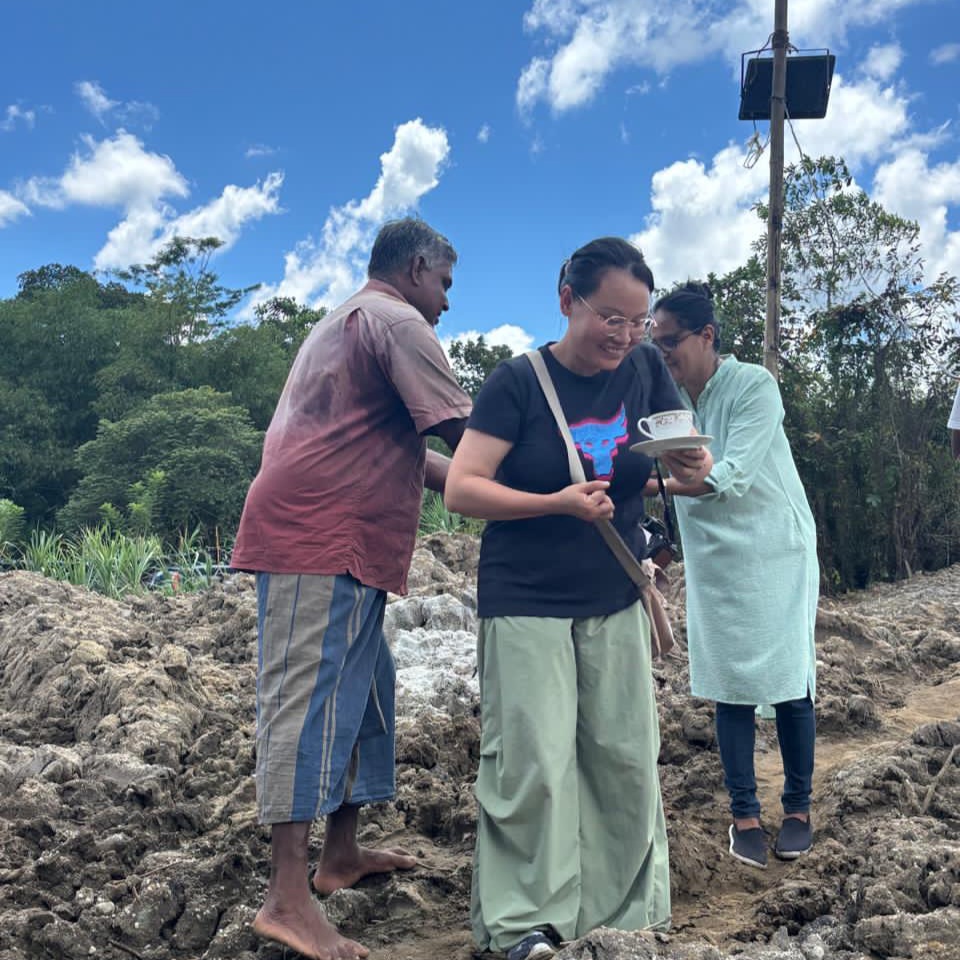
Unlike large-scale industrial mining operations found elsewhere, gem mining in Sri Lanka is predominantly artisanal and deeply rooted in tradition. This approach is not merely a matter of heritage; it is a conscious effort to minimize environmental impact and sustain local communities [4]. The National Gem and Jewelry Authority (NGJA) of Sri Lanka strictly regulates mining activities, often requiring land rehabilitation to ensure the ecological balance is maintained [5].


The most common method is pit mining, where small, often rectangular pits (typically 2x4 meters) are dug by hand. Miners carefully extract gem-bearing gravel, known as illam, from these pits. The process is labor-intensive, relying on the strength and experience of local miners who are often shareholders in the operation, fostering a sense of ownership and responsibility [6]. Another traditional technique, goda illama, involves surface-level mining, further showcasing the diverse yet traditional methods employed.


Prospecting for new gem deposits is also a time-honored skill. Rather than relying on heavy machinery, prospectors use a long steel rod, driving it into the ground and examining the scratches and marks for indications of quartz and corundum, or listening to the distinct sound it makes when striking gem-rich gravel [6]. This intimate understanding of the land and its treasures is passed down through generations, ensuring that the extraction of these natural wonders is done with respect and care.


The Art of Transformation: Cutting and Heat Treatment

Once the rough Ceylon gemstone is unearthed, its journey is far from over. The next crucial steps involve cutting and, for many sapphires, heat treatment. Sri Lankan cutters are renowned for their expertise, employing traditional techniques that prioritize maximizing the gemstone's inherent color and retaining as much weight as possible. This delicate balance ensures that the final cut enhances the stone's natural beauty while preserving its value.


Sri Lanka is also a global leader in the art of heat treatment, a process that can significantly enhance the color and clarity of sapphires. This specialized skill, often referred to as "burning," involves carefully heating the stones to high temperatures. Experts, known as "burners," possess an almost alchemical ability to coax out the finest "cornflower blue" or "royal blue" hues from a Ceylon blue sapphire, transforming a lighter or less vibrant stone into a gem of extraordinary brilliance [6]. This expertise is so highly regarded that sapphires from other regions are often sent to Sri Lanka for this transformative process.


The Allure of Ceylon Sapphire: A Gem for Generations

The allure of the Ceylon sapphire lies not only in its captivating beauty but also in its rich history and the ethical, sustainable practices surrounding its extraction. These gemstones are celebrated for their vivid saturation, exceptional clarity, and a spectrum of blues that range from delicate sky blue to intense royal blue. A Ceylon sapphire ring is more than just a piece of jewelry; it is a testament to nature's artistry and human ingenuity, carrying with it a story of ancient lands and skilled hands.


At Oria Gems, we understand and honor this profound journey. We are committed to sourcing our Ceylon sapphire and other Ceylon gems responsibly, ensuring that each stone reflects not only exquisite beauty but also ethical integrity. Our collection showcases the finest examples of these natural treasures, meticulously selected and expertly crafted into timeless pieces that will be cherished for generations.

 image.png

 Figure 2: A luxurious Ceylon blue sapphire ring, highlighting the gemstone's vibrant color and brilliance.


Conclusion

The journey of a Ceylon gemstone is a remarkable odyssey, beginning in the ancient mines of Sri Lanka and culminating in the exquisite creations found at Oria Gems. From the traditional mining methods that respect the earth and its people, to the skilled hands that cut and enhance their natural beauty, every step contributes to the unique story of these precious stones. Whether it's the iconic Ceylon sapphire, the deep hues of a Ceylon blue sapphire, or any other magnificent Ceylon gem, each piece embodies a legacy of natural wonder and human artistry. Discover the timeless elegance and profound history of these extraordinary gemstones with Oria Gems.


References

[1] Waltons Jewelry. "Ceylon Sapphires: A Collector's Guide to Sri Lanka's Brilliant Blue Gemstones." https://waltonsjewelry.com/blogs/style/ceylon-sapphires-a-collectors-guide-to-sri-lankas-brilliant-blue-gemstones 

[2] Berganza. "Exploring Ceylon Sapphires: History, Unique Qualities, & More." https://www.berganza.com/knowledge/gemmology/gemstones/sapphire/ceylon-sapphires 

[3] GIA. "Sri Lanka: Treasure Island." https://www.gia.edu/sri-lanka-gemstones 

[4] Ceylons. "A Definitive Guide to Sri Lankan Sapphire Mining." https://www.ceylons.de/blog-en/sri-lankan-sapphire-mining-methods 

[5] The Natural Sapphire Company. "Learn About The Regions Where Sapphires Are Mined." https://www.thenaturalsapphirecompany.com/education/sapphire-mining/regions-sapphires-mined/ 

[6] GIA. "Sri Lanka: Expedition to the Island of Jewels." https://www.gia.edu/gems-gemology/fall-2014-sri-lanka-expedition-island-of-jewels