正文内容
Introduction
In the realm of exquisite gemstones, few can rival the captivating allure of the Royal Blue Sapphires. Renowned for their intense and vibrant hue, these magnificent stones have adorned royalty and captivated collectors for centuries. This article delves into what makes the royal blue sapphire stand out, exploring its unique color characteristics, its distinction from other blue sapphires, and why it remains the ultimate choice for luxury jewelry. We will also examine the factors that contribute to its enduring value and prestige, making the blue sapphire royal blue a true treasure.
Defining the Royal Blue Sapphire Color
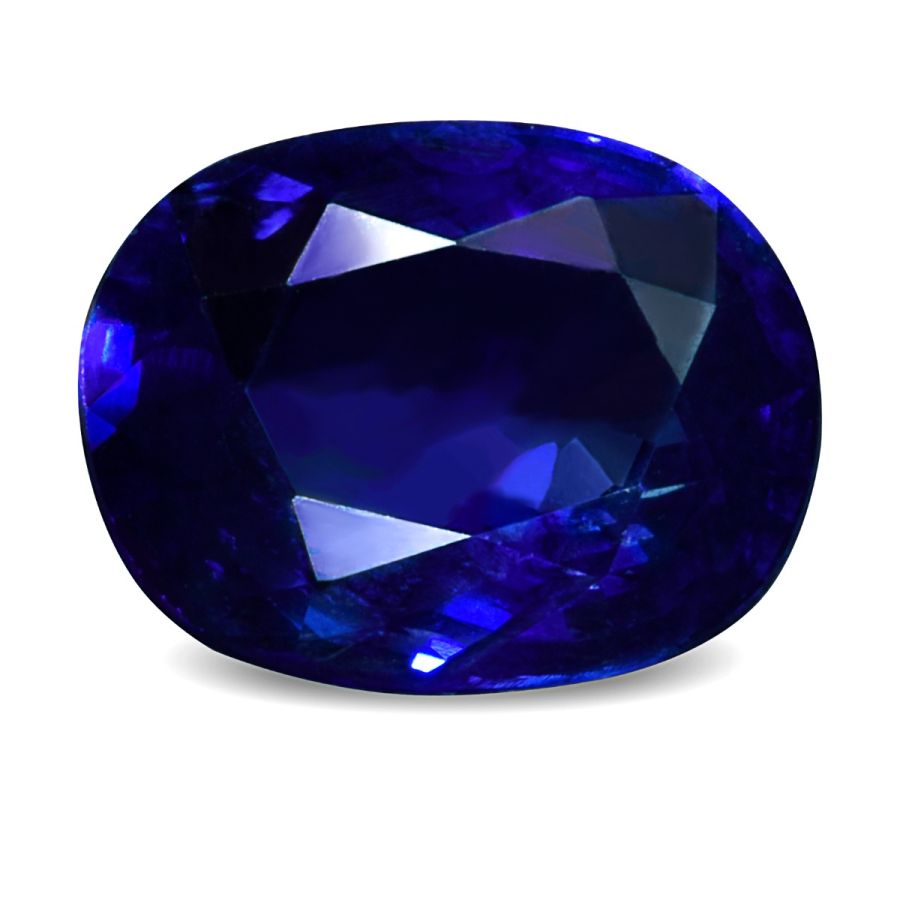
The term "Royal Blue" is not merely a poetic descriptor; it signifies a specific and highly coveted royal blue sapphire color that sets these gems apart. Gemological laboratories such as the Swiss Gemmological Institute (SSEF) and Gübelin Gem Lab have established harmonized criteria to define this exceptional color. According to these standards, a Royal Blue Sapphire must exhibit an intense, saturated, and homogenous blue hue [1].
This color is characterized by a deep, vivid blue with a strong saturation, often described as a pure blue without significant secondary color modifiers like green or purple. The absence of these undertones is crucial for a sapphire to be classified as Royal Blue. The color should be evenly distributed throughout the stone, showcasing excellent transparency and minimal inclusions that might detract from its brilliance. Furthermore, to be considered truly exceptional, royal blue sapphires are typically untreated, meaning their color has not been enhanced by heat or other artificial methods [1].
Royal Blue vs. Other Blue Sapphires: A Nuanced Distinction
The world of blue sapphires encompasses a wide spectrum of shades, from pale sky blue to inky navy. Understanding the difference between royal blue vs sapphire blue is key to appreciating the rarity and value of the former. While "sapphire blue" is a general term referring to any blue sapphire, "Royal Blue" denotes a specific, premium grade within this spectrum.
One common comparison is with "Cornflower Blue" sapphires. Cornflower Blue typically describes a softer, often lighter, and more velvety blue, reminiscent of the cornflower blossom. In contrast, royal blue sapphire possesses a more intense, deeper, and often more vibrant blue. The saturation and tone are generally higher in Royal Blue sapphires, giving them a commanding presence that is highly sought after in luxury markets. This distinction is not just aesthetic; it significantly impacts the gem's rarity and market value [2].

The Allure of Royal Blue in Luxury Jewelry
The undeniable beauty and rarity of Royal Blue Sapphires make them a preferred choice for high-end jewelry. Their rich color symbolizes nobility, truth, sincerity, and faithfulness, making them popular for engagement rings, statement necklaces, and heirloom pieces. Historically, sapphires have been favored by royalty, with the most famous example being the engagement ring of Princess Diana, now worn by Catherine, Princess of Wales, featuring a stunning oval blue sapphire surrounded by diamonds.
Beyond their symbolic significance, the intrinsic qualities of royal blue sapphire contribute to its luxury appeal. Its exceptional hardness (9 on the Mohs scale) makes it durable enough for everyday wear, ensuring that its beauty endures for generations. When set in meticulously crafted designs, often alongside brilliant white diamonds or in precious metals like platinum or white gold, the blue sapphire royal blue truly shines, exuding an aura of sophistication and timeless elegance.
Investment Value and Rarity
Investing in Royal Blue Sapphires is not just about acquiring a beautiful gemstone; it is also a sound financial decision. These rare gems have shown consistent appreciation in value over time, with investment-grade sapphires often seeing annual price increases of 5-8% [3]. The factors driving this appreciation include their inherent rarity, particularly for stones over 5 carats that are untreated and possess the coveted Royal Blue hue.
Sources like the Gemological Institute of America (GIA) and other reputable gemological laboratories play a crucial role in certifying the authenticity and quality of these sapphires, providing buyers with confidence in their investment [4]. The origin of a Royal Blue Sapphire can also influence its value, with historically significant mines in regions like Kashmir, Myanmar (Burma), and Sri Lanka often commanding higher prices, though exceptional stones can be found globally. The combination of beauty, durability, and increasing scarcity ensures that royal blue sapphires remain a highly desirable asset for discerning collectors and investors.
Conclusion
In conclusion, Royal Blue Sapphires represent the pinnacle of elegance and value in the world of gemstones. Their distinct and intense royal blue sapphire color, meticulously defined by leading gemological institutions, sets them apart from other blue sapphires. The allure of the royal blue sapphire in luxury jewelry is undeniable, driven by its symbolic meaning, exceptional durability, and breathtaking beauty. For those seeking a gemstone that embodies both timeless sophistication and a wise investment, the blue sapphire royal blue is truly the ultimate choice. Whether you are distinguishing between royal blue vs sapphire blue or simply admiring their splendor, these gems continue to reign supreme.
References
[1] SSEF. (2018). Pigeon blood red & Royal blue: Working towards an international standard. Swiss Gemmological Institute. https://www.ssef.ch/wp-content/uploads/2018/01/SSEF_Pigeonblood_Royalblue_Criteria_2017_HK.pdf [2] MyJewelPark. (2025). What's the difference between sapphire and royal blue?. https://myjewelpark.com/whats-the-difference-between-sapphire-and-royal-blue/ [3] Nektanewyork. (2025). Blue Sapphire Stones: A Timeless Investment for 2025 and Beyond. https://www.nektanewyork.com/blogs/news/blue-sapphire-stones-timeless-investment [4] Gemological Institute of America (GIA). https://www.gia.edu