Article Content
The world of colored gemstones is vast, filled with a myriad of hues and tones that captivate the eye and spark the imagination. Among the most intriguing of these are spinel and Paraiba tourmaline, both renowned for their vibrant colors and unique properties. In this article, we delve into the neon allure of these gemstones, exploring their characteristics, origins, and the factors that distinguish them from one another.
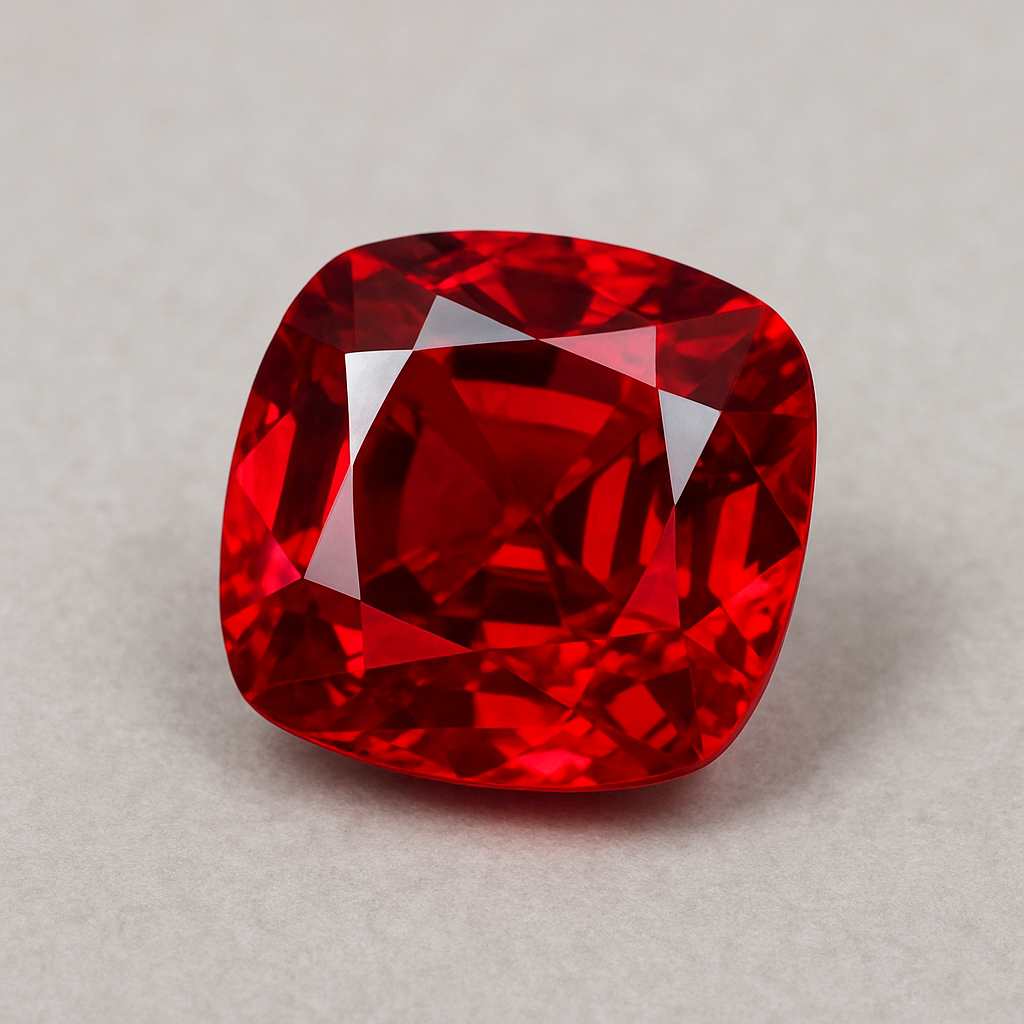
Spinel is often overshadowed by more popular gemstones like ruby and sapphire, yet it has a rich history and a beauty that is all its own. Known for its wide range of colors, spinel can be found in shades of red, pink, orange, purple, and blue, among others. Its vibrant hues are due to trace elements present during its formation, such as chromium, which gives red spinel its ruby-like appearance.
Historical Significance
Historically, spinel has been mistaken for other gemstones, most notably ruby. The "Black Prince's Ruby," part of the British Crown Jewels, is actually a large red spinel. This gemstone was prized by ancient civilizations and continues to be valued by collectors and connoisseurs today.
Characteristics
Spinel is an allochromatic gemstone, meaning its color is influenced by trace impurities. It has a cubic crystal structure, which contributes to its brilliance and durability. With a hardness of 8 on the Mohs scale, spinel is suitable for all types of jewelry, providing both beauty and resilience.
Exploring Paraiba Tourmaline
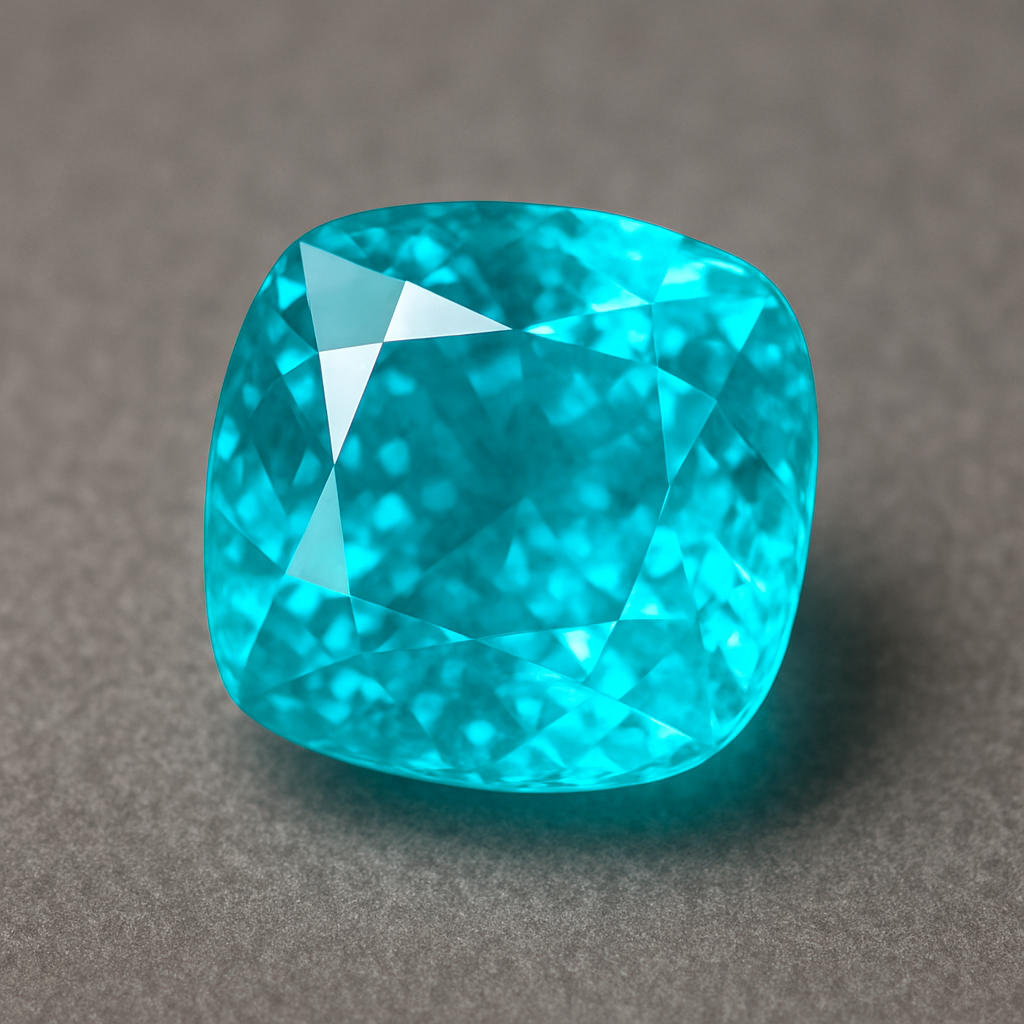
Paraiba tourmaline is a relatively new addition to the gemstone world, discovered in the late 1980s in the Brazilian state of Paraíba. What sets this gemstone apart is its electric, neon-like blue and green hues, caused by the presence of copper and manganese.
Discovery and Origin
The discovery of Paraiba tourmaline was a momentous event in the gem industry. Miners in Paraíba unearthed these unusual stones, which quickly gained popularity due to their vivid colors. Today, Paraiba tourmaline can also be found in Nigeria and Mozambique, though Brazilian stones remain the most sought after.
Unique Features
Paraiba tourmaline's distinctive glow is due to its unique chemical composition. The presence of copper is primarily responsible for its neon colors, making it one of the few gemstones that can exhibit such vividness. It ranks 7 to 7.5 on the Mohs scale of hardness, slightly softer than spinel, but still suitable for various types of jewelry.
Spinel vs. Paraiba Tourmaline: A Comparative Analysis
Color and Composition
The most striking difference between spinel and Paraiba tourmaline is their color. While both can exhibit vibrant hues, Paraiba tourmaline is celebrated for its neon blues and greens, which are rarely seen in other gemstones. Spinel, on the other hand, offers a broader palette of colors, though typically not as intensely neon as Paraiba tourmaline.
Market Value
by Neha Maheen Mahfin (https://unsplash.com/@neha1301039)
In terms of market value, Paraiba tourmaline generally commands higher prices, especially those originating from Brazil due to their rarity and unparalleled color saturation. Spinel, while more affordable, has seen a rise in value as more collectors and jewelry enthusiasts recognize its unique beauty and historical significance.
Durability and Wearability
When considering durability, spinel holds a slight edge with its higher hardness rating, making it more resistant to scratches and suitable for everyday wear. However, the captivating allure of Paraiba tourmaline often outweighs considerations of hardness for many gem enthusiasts.
Sourcing and Availability
The availability of these gemstones also plays a significant role in their market dynamics. Spinel is found in various locations worldwide, including Myanmar, Sri Lanka, and Vietnam, ensuring a steady supply. Paraiba tourmaline, however, remains rare, particularly the Brazilian variety, which adds to its exclusivity and allure.
The Role of Tourmaline Colors
Tourmaline is a complex borosilicate mineral that comes in an extensive array of colors, often described as the "rainbow gemstone." This diverse color range is due to variations in its chemical composition, which can include elements such as iron, magnesium, and lithium, in addition to copper and manganese.
Influence of Chemistry
The presence of different trace elements in tourmaline is responsible for its wide spectrum of colors. For instance, iron-rich tourmaline tends to be black or dark blue, while lithium contributes to pink, red, and sometimes blue or green hues. Copper is the key element for the neon colors seen in Paraiba tourmaline.
Aesthetic Appeal
The aesthetic appeal of tourmaline is enhanced by its pleochroism, the ability to exhibit different colors when viewed from different angles. This characteristic adds depth and intrigue to tourmaline gemstones, making them highly desirable for jewelry.
Conclusion: Choosing Between Spinel and Paraiba Tourmaline
Deciding between spinel and Paraiba tourmaline ultimately depends on personal preference and the specific qualities one desires in a gemstone. For those captivated by neon hues and rarity, Paraiba tourmaline is unparalleled. Conversely, if a broader color range and historical prestige are more appealing, spinel may be the ideal choice.
Both gemstones offer unique beauty and character, making them prized additions to any gem collection. Whether one is drawn to the electric vibrancy of Paraiba tourmaline or the rich history and diverse colors of spinel, each stone tells its own story, reflecting the wondrous variety of nature's creations.