Article Content
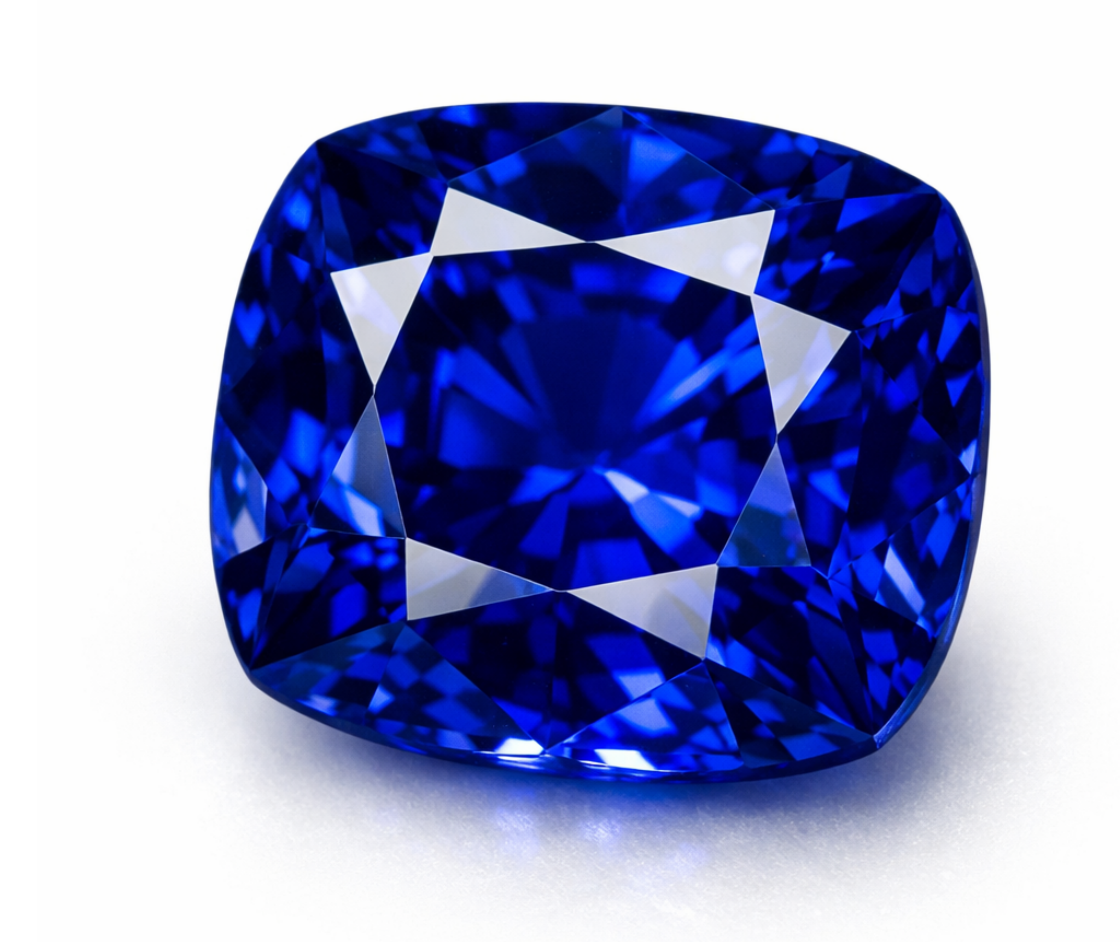
Royal blue sapphire is a term that evokes images of deep, velvety hues, reminiscent of the ocean's profound depths or a twilight sky. These magnificent gemstones have captivated humanity for centuries, symbolizing nobility, truth, and serenity. However, not all blue sapphires are created equal. The distinction of a true "royal blue" sapphire lies in its exceptional color, a characteristic meticulously evaluated through advanced color grading processes. Understanding these intricate grading standards is crucial for both connoisseurs and collectors, ensuring the authenticity and value of these precious gems.
The Essence of Royal Blue: A Symphony of Color
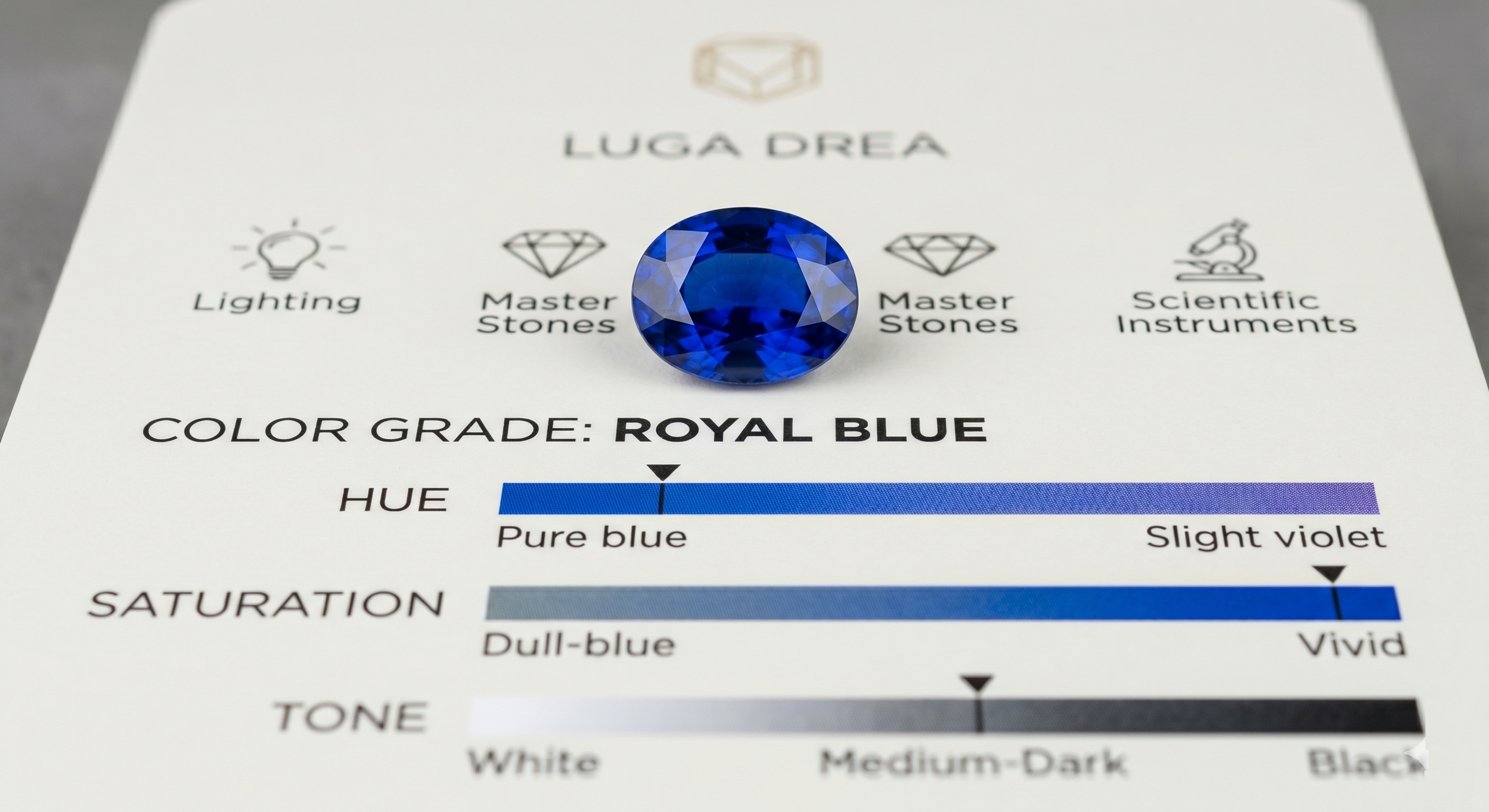
The term "royal blue" is not merely a poetic descriptor; it signifies a specific, highly sought-after color profile within the sapphire spectrum. This ideal blue is characterized by an intense, vibrant, and pure blue hue with strong saturation and a medium to dark tone. It should exhibit minimal, if any, secondary color modifiers such as purple or green, which can detract from its overall appeal. The purity of this blue is what sets it apart, making it a benchmark for quality in the sapphire market.
The Guardians of Color: Leading Gemological Laboratories
To standardize the subjective nature of color assessment, leading gemological laboratories have established rigorous criteria for defining
the "royal blue" designation. The Swiss Gemmological Institute (SSEF) [1] and the Gübelin Gem Lab [2] are two of the most respected authorities in this field, having harmonized their criteria in 2015 to provide a consistent framework for grading these exceptional stones. The Gemological Institute of America (GIA) [3] also plays a pivotal role in gemstone identification and quality assessment, including geographic origin determination and quality factor analysis for sapphires.
Advanced Color Grading Criteria for Royal Blue Sapphires
The advanced color grading of royal blue sapphire involves a comprehensive evaluation of several key factors:
1 Hue: The primary color of the sapphire. For a sapphire to be considered "royal blue," its hue must be a pure, intense blue. Any secondary colors, such as violet or green, should be minimal, ideally not exceeding 15% of the overall color [4].
2 Saturation: This refers to the intensity or purity of the color. Royal blue sapphires exhibit strong to vivid saturation, meaning the color is rich and vibrant, not dull or grayish.
3 Tone: The lightness or darkness of the color. An ideal royal blue sapphire will have a medium to dark tone, allowing the color to be deep without appearing inky or opaque.
4 Color Homogeneity: The even distribution of color throughout the gemstone. A royal blue sapphire should display a consistent color without noticeable zoning or uneven patches.
5 Transparency and Clarity: While color is paramount, the transparency and clarity of the sapphire also contribute to its overall beauty and how its color is perceived. Fine royal blue sapphires are typically eye-clean, meaning they have no inclusions visible to the naked eye.
6 Treatment: A critical factor in determining value. True royal blue sapphires, especially those commanding premium prices, are typically untreated. Heat treatment, while common and accepted for many sapphires, can alter the color and clarity, and thus untreated stones with exceptional color are highly prized [1].
7 Chemical and Spectroscopic Characteristics: Gemological laboratories utilize advanced analytical techniques to examine the sapphire's internal characteristics, ensuring its natural origin and confirming the absence of artificial enhancements. These tests help to verify the specific chemical composition and spectroscopic properties that define a royal blue sapphire [1].
The Role of Gemological Laboratories
Gemological laboratories like SSEF, Gübelin, and GIA employ highly trained gemologists and state-of-the-art equipment to meticulously assess each sapphire. They use master stones—a set of reference sapphires with established color grades—to compare and accurately assign a color grade. This scientific and systematic approach ensures objectivity and consistency in grading, providing buyers with confidence in their purchase.
Why Advanced Color Grading Matters
For collectors and investors, advanced color grading is indispensable. It provides a clear, unbiased assessment of a sapphire's most crucial attribute: its color. A sapphire certified as "royal blue" by a reputable laboratory carries significant prestige and value, distinguishing it from other blue sapphires. This rigorous grading process helps to protect against misrepresentation and ensures that the rarity and beauty of these exceptional gemstones are accurately recognized.
Conclusion
The allure of the royal blue sapphire is undeniable, a testament to nature's artistry. However, it is the sophisticated process of Advanced Color Grading for Royal Blue Sapphires that truly defines and distinguishes these extraordinary gems. By understanding the stringent criteria applied by leading gemological institutions, buyers can confidently navigate the market and acquire a gemstone that embodies the pinnacle of sapphire beauty and value. The journey to identifying a true royal blue sapphire is one of precision, expertise, and an unwavering commitment to excellence.
References
[1] SSEF. Pigeon blood red & Royal blue: Working towards an international standard. https://www.ssef.ch/wp-content/uploads/2018/01/SSEF_Pigeonblood_Royalblue_Criteria_2017_HK.pdf
[2] Gübelin Gem Lab. Sapphire. https://www.gubelin.com/cms/en/gemmology/gemstones/gemstones-sapphire/
[3] GIA. Sapphire Quality Factors. https://www.gia.edu/sapphire-quality-factor
[4] The Natural Sapphire Company. A Guide On Judging Quality In Blue Sapphires. https://www.thenaturalsapphirecompany.com/education/sapphire-colors-varieties/blue-sapphires/