Article Content
When investing in fine jewelry or building a collection of precious stones, understanding the nuances of gemstone grading is absolutely essential. Unlike diamonds, which follow a universally standardized and heavily marketed grading system, colored gemstones require a more nuanced approach to evaluation. The value, beauty, and rarity of a colored stone are dictated by a complex interplay of factors. In this comprehensive guide brought to you by Oria Gems, we will demystify the core pillars of colored stone evaluation. By the end of this article, you will have a profound understanding of untreated gemstones, how to interpret clarity grades, and what exactly determines gemstone vividness.
The Supremacy of Color: Decoding Gemstone Vividness
In the realm of colored gemstones, color is undeniably the most critical factor in determining a stone's value and desirability. While a diamond's value is heavily influenced by its lack of color, a colored gemstone is celebrated for the intensity and purity of its hue. The Gemological Institute of America (GIA) evaluates colored stone color based on three distinct properties: hue, tone, and saturation [1].
Hue refers to the basic color of the gemstone—the first impression we receive when looking at the stone. The GIA system utilizes 31 distinct hues to categorize gemstones accurately. Tone describes the relative lightness or darkness of the color, graded on a scale from 0 (colorless or white) to 10 (black). The ideal tone for most gemstones falls in the medium to medium-dark range, typically between 5 and 6 on the scale, where the color is rich but not so dark that it obscures the stone's brilliance [1].
However, the true magic of a colored gemstone lies in its saturation, which measures the purity and intensity of the hue. Saturation is graded on a scale from 1 to 6. Lower grades indicate the presence of modifying colors—grayish tones in cool colors like blue and green, or brownish tones in warm colors like red and yellow. As the saturation grade increases, these modifying colors disappear, leaving a purer, more intense hue.
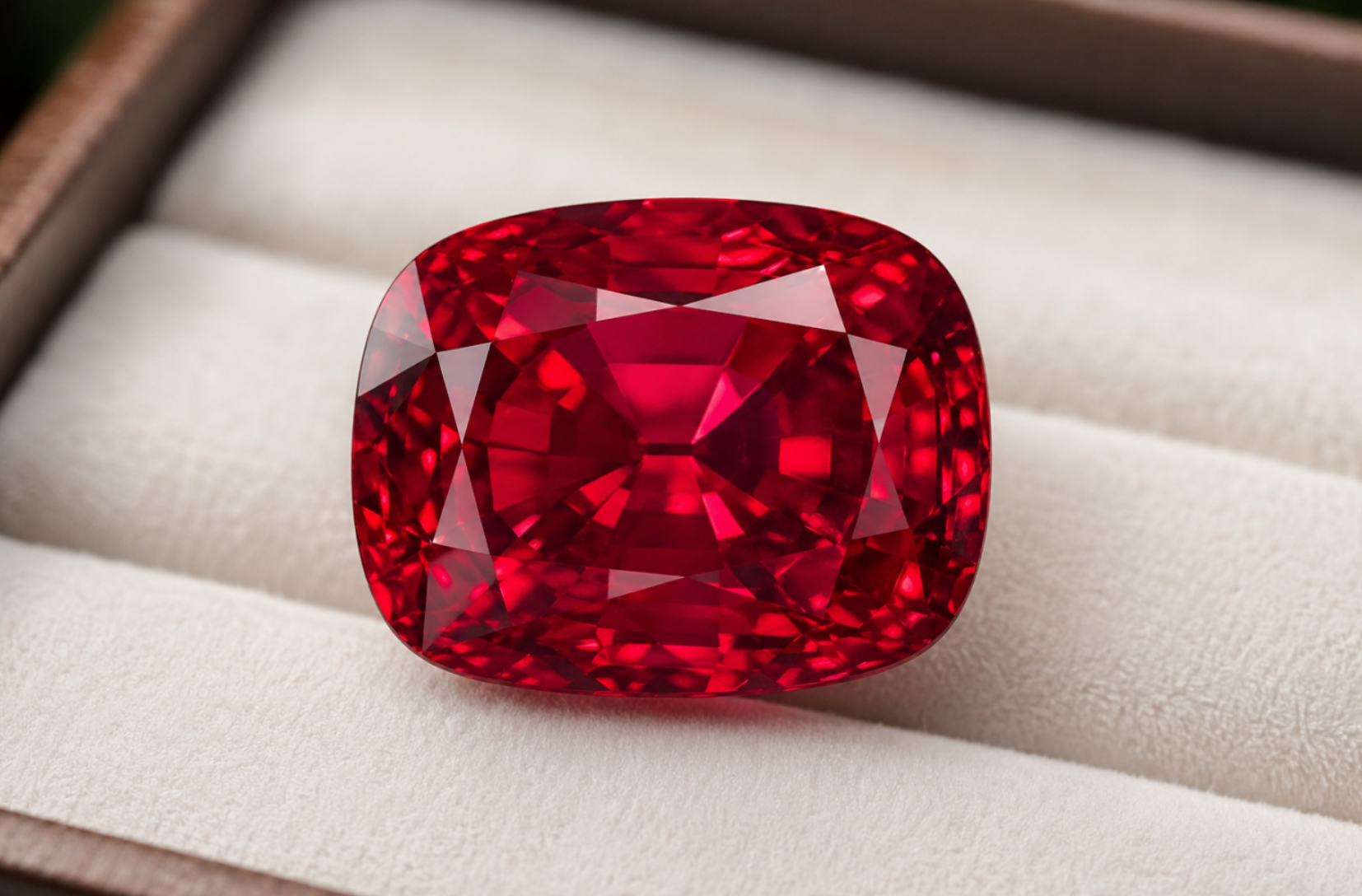
The pinnacle of this scale is a grade of 6, universally referred to in the trade as vivid. When a gemstone achieves gemstone vividness, it means the hue is exceptionally pure, intense, and free from any gray or brown modifiers. A vivid ruby, for instance, will display a deep, mesmerizing red that seems to glow from within, commanding a significant premium in the market. Achieving this level of saturation while maintaining an ideal tone is incredibly rare, making vivid gemstones highly sought after by collectors and connoisseurs alike.
Demystifying Clarity Grades in Colored Gemstones
While color is paramount, clarity plays a vital role in a gemstone's overall beauty and structural integrity. Clarity refers to the relative absence of internal characteristics, known as inclusions, and surface imperfections, known as blemishes. However, the approach to evaluating clarity in colored gemstones differs significantly from diamond grading.
Because different gem species form under vastly different geological conditions, it is unrealistic to expect the same level of clarity across all types of stones. To address this, the GIA categorizes colored gemstones into three distinct clarity types [2]:
| Clarity Type | Description | Common Gemstones |
| Type I | Typically form with very few inclusions. These stones are usually "eye-clean," meaning no inclusions are visible to the naked eye from a distance of 6 to 12 inches. | Aquamarine, Morganite, Tanzanite, Blue Zircon |
| Type II | Typically form with some inclusions. While eye-clean specimens exist, minor inclusions are common and generally accepted in the trade. | Ruby, Sapphire, Spinel, Garnet, Amethyst |
| Type III | Almost always form with noticeable inclusions. Inclusions are an expected characteristic of these stones and are often used to verify their natural origin. | Emerald, Red Tourmaline (Rubellite) |
Once the clarity type is established, gemologists apply specific clarity grades to evaluate the stone. The GIA utilizes a grading scale that includes VVS (Very, Very Small inclusions), VS (Very Small inclusions), SI1/SI2 (Small Inclusions), and I1/I2/I3 (Included) [2].
It is crucial to understand that these grades are relative to the gemstone's type. For example, a VS grade in a Type I gemstone like Aquamarine means the inclusions are minor and somewhat easy to see under 10x magnification, but the stone remains eye-clean. Conversely, a VS grade in a Type III gemstone like an Emerald means the inclusions are noticeable under 10x magnification and may even be visible to the naked eye. Understanding this distinction is vital for making informed purchasing decisions and setting realistic expectations for different gem varieties.
The Rarity and Value of Untreated Gemstones
In today's gemstone market, the vast majority of stones undergo some form of enhancement to improve their color or clarity. Heat treatment, for instance, is an ancient and widely accepted practice. It is estimated that over 98% of rubies and sapphires available today have been heat-treated to dissolve silk inclusions and intensify their color [3]. While treated gemstones offer exceptional beauty at a more accessible price point, there is a distinct and highly revered category of stones that remain exactly as nature created them.
Untreated gemstones are stones that have not been subjected to any artificial enhancements, including heat, irradiation, diffusion, or fracture filling. These gems rely entirely on the geological miracles that occurred deep within the Earth over millions of years to achieve their color and clarity.
The primary allure of untreated gemstones lies in their profound rarity. Finding a gemstone that naturally possesses exceptional color, ideal tone, vivid saturation, and high clarity without human intervention is an extraordinary statistical anomaly. Because of this extreme rarity, untreated gemstones command a significant premium in the market. An unheated sapphire of high quality, for example, can be valued exponentially higher than a heated sapphire of identical visual appearance [3].
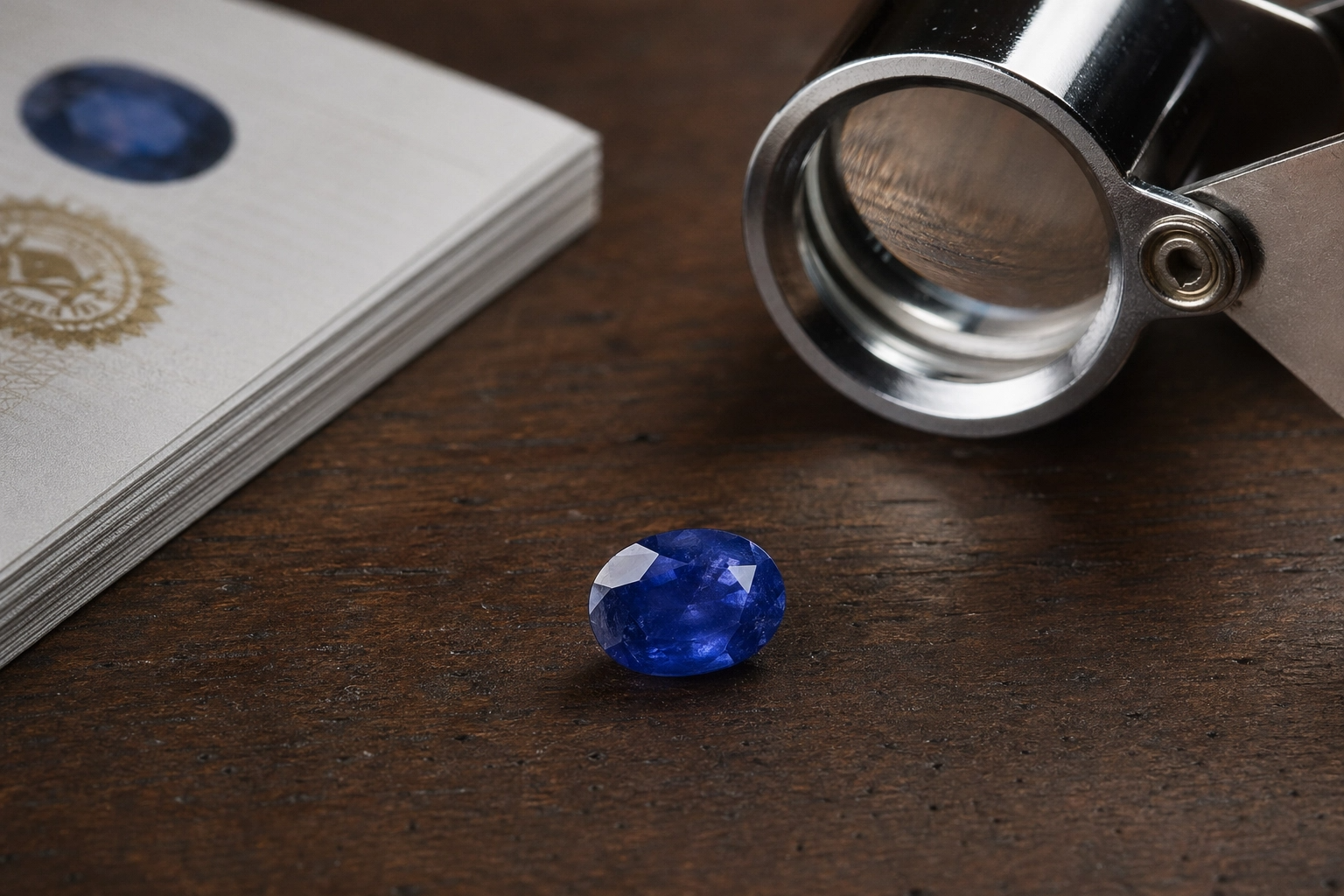
For collectors and investors, untreated gemstones represent the pinnacle of natural beauty and hold significant investment potential. When purchasing high-value untreated stones, it is imperative to obtain a grading report from a reputable, independent gemological laboratory, such as the GIA or the American Gemological Laboratories (AGL). These reports utilize advanced scientific equipment to definitively prove the stone's natural origin and confirm the absence of any treatments.
Conclusion
Navigating the world of fine jewelry requires a solid foundation in gemstone grading. By understanding the GIA's approach to color—specifically the rarity and desirability of gemstone vividness—you can better appreciate the mesmerizing hues of top-tier stones. Recognizing how clarity grades are applied across different gem types ensures you have realistic expectations for the stones you acquire. Finally, appreciating the extreme rarity and inherent value of untreated gemstones allows you to make informed decisions, whether you are seeking a beautiful piece of jewelry for daily wear or a rare, investment-grade treasure. At Oria Gems, we are committed to providing our clients with the knowledge and transparency needed to select the perfect gemstone with confidence.
References
[1] Yves Lemay Jewelry. "The GIA colored stone grading system." Available at: https://yveslemayjewelry.com/jewelry-guides/the-colored-gemstone-grading-system/
[2] International Gem Society (IGS). "What Do the GIA Gem Clarity Grading Codes Mean?" Available at: https://www.gemsociety.org/article/gia-gem-clarity-grading-codes/
[3] Arnold Jewelers. "Heated vs. Unheated Gemstones: What’s the Difference?" Available at: https://arnoldjewelers.com/tampa-jewelry-blog/heated-vs-unheated-gemstones-whats-the-difference/