Article Content
For centuries, smart investors looking for portable, highly concentrated wealth have turned to tangible assets (Renneboog & Spaenjers, 2012). Unlike volatile paper markets, investment-grade colored gemstones represent some of the most concentrated physical capital on Earth (Bendinelli et al., 2024). When looking globally for options that balance historical prestige with real financial growth, Sri Lanka—historically known as Ceylon—stands out as a top destination (Cartier, 2017). This island nation produces some of the most sought-after, premium crystals in the global trade. However, not all stones yield the same financial returns. If you want to successfully build wealth through a Sri Lanka gem investment, you need to know which investment gemstones consistently retain their gemstone value and how to spot truly rare gems.
Why Invest in Sri Lankan Gemstones?
Sri Lanka features a unique geological environment that has yielded premium colored crystals for millennia (Cartier, 2017). Unlike diamond markets, which are heavily influenced by centralized corporate supplies, the colored gemstone sector relies on decentralized, artisanal mining (van der Wal & de Haan, 2010). This means genuine rarity drives prices. As a result, fine colored stones have historically beaten stock markets during financial crises, serving as an excellent hedge against inflation (Renneboog & Spaenjers, 2012).
Investing in Sri Lankan gemstones offers several advantages:
l High value: Renowned for vibrant colors and clarity.
l Potential for appreciation: Due to increasing global demand.
l Rarity: Unique gemstones found only in Sri Lanka.
For an asset to hold long-term value, it must possess two things: global demand and a dwindling natural supply. Sri Lankan deposits deliver both.
Top Sri Lankan Gems That Hold Value
Sri Lanka is famed for its magnificent gemstones, often referred to as "Ceylon gems." These gems have captivated collectors for centuries with their unmatched quality and vibrant hues.
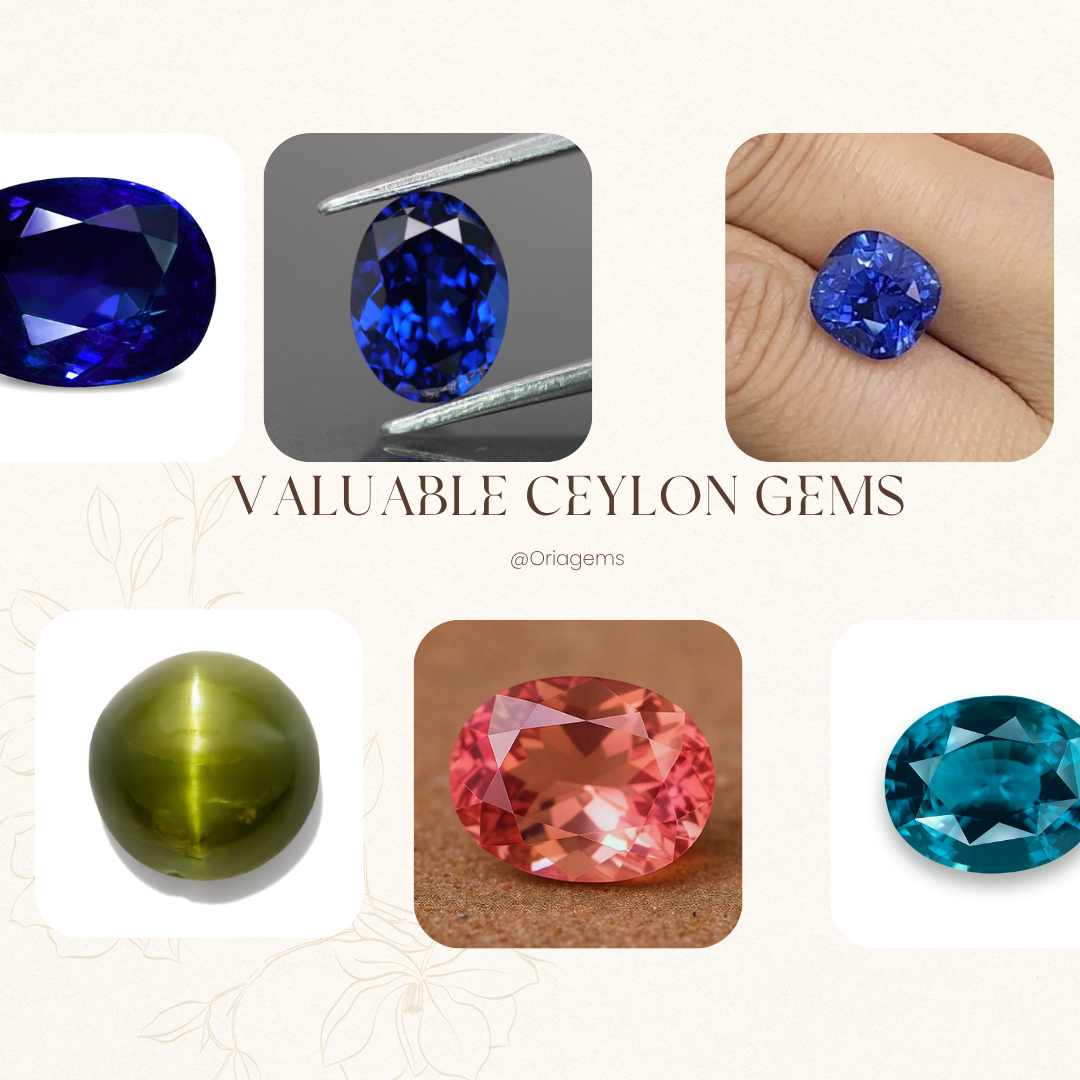
1. Royal Blue and Cornflower Blue Sapphires
Blue sapphire is the undisputed king of Ceylon. Historically favored by royal families worldwide, these stones are legendary for their clarity and vibrant hues (Ruby and Sapphire Production, 2009). When considering a sapphire for investment, color and origin are everything. Sri Lankan blue sapphires carry a major market premium.
To maximize value retention, focus on unheated stones. Over 95% of sapphires in the modern market undergo heat treatment to artificially enhance their appearance (Ruby and Sapphire Production, 2009). A completely natural, unheated Sri Lankan blue sapphire with a certified "Royal Blue" or "Cornflower Blue" color grade is highly prized by collectors and retains its worth beautifully over time.
2. The Rare Padparadscha Sapphire
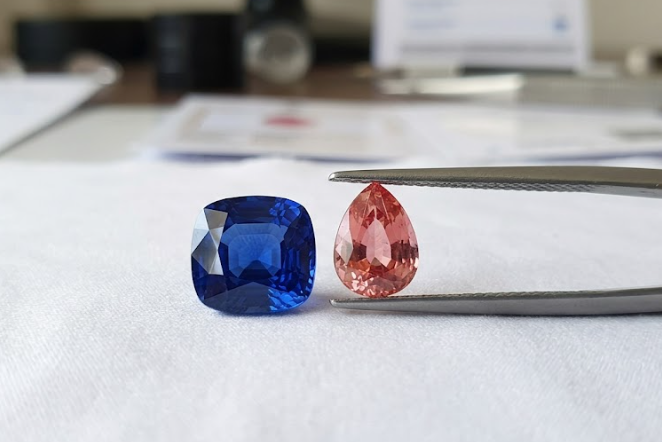
If blue sapphires are the king, the Padparadscha sapphire is the rare queen of the corundum family. Deriving its name from the Sinhalese word for a lotus blossom, this incredibly rare gem features a delicate blend of pink and orange.
True Padparadscha sapphires were originally discovered in Sri Lanka, and purists still consider Ceylon stones the gold standard. Because they are so exceptionally rare in sizes over two carats, their price curve slopes sharply upward. This incredible scarcity makes them a premier choice for high-net-worth portfolios.
3. Cat's Eye Chrysoberyl
For investors seeking distinct physical properties alongside classic beauty, Cat's Eye Chrysoberyl offers an exceptional option. This stone displays a sharp, bright line of light across its surface—a phenomenon known as chatoyancy.
Sri Lanka produces the finest cat's eye chrysoberyls in the world. When evaluating these rare pieces, look for a distinct, straight "eye" that opens and closes smoothly as light shifts across the gem, set against a translucent "milk and honey" body color. Their rarity and deep-rooted popularity in Asian luxury markets ensure they maintain excellent liquidity.
4. Cobalt Blue and Hot Pink Spinels
Historically mistaken for rubies and sapphires (Amar & Lev, 2017), spinels have emerged as an independent power player in the luxury trade. Sri Lanka produces magnificent neon-pink, vibrant red, and rare cobalt-blue spinels.
Since spinels are naturally bright and rarely undergo heat treatments, they appeal heavily to modern buyers who demand completely natural gems. Their relative affordability compared to top-tier sapphires, combined with rapidly rising market demand, gives them excellent room for capital appreciation.
Key Factors for Determining Gemstone Value
Investing in colored stones requires a more nuanced approach than buying gold or bullion. To safeguard your capital, keep these three essential rules in mind:
Insist on Unheated Gems: Heat treatments are perfectly acceptable for standard jewelry, but investment-grade pieces should ideally be completely untreated. Unheated gems with premium color and clarity command massive market premiums because they are increasingly difficult to mine (Ruby and Sapphire Production, 2009).
Prioritize Clarity and Cut: A poorly cut crystal loses its inner brilliance. Look for stones with excellent proportions that maximize light return and minimize heavy windowing (empty areas where light passes straight through the bottom).
Always Demand Independent Certification: Because geographic origin and post-mining treatments significantly impact market prices, never buy an expensive stone without a report from a reputable, independent gemological laboratory (Bendinelli et al., 2024). Reputable trade labs utilize advanced analytical testing to verify origin and confirm the complete absence of artificial treatments (Bendinelli et al., 2024).
Tips for Successful Sri Lankan Gemstone Investment
Investing in Sri Lankan gems requires careful consideration. Knowledge about the market and stones is crucial. Seek insights from gemologists to understand better.
Staying informed can significantly enhance your strategy. Consider attending gemstone auctions to observe market trends. Networking with industry experts is beneficial.
Here are some useful tips:
l Research Thoroughly: Understand gems, their origins, and market trends.
l Consult Experts: Leverage insights from gemologists and industry veterans.
l Attend Auctions: Gain exposure to how gemstones are valued and sold.
Remember, thorough research and expert advice can significantly boost your investment success in the vibrant world of Sri Lankan gems.
Conclusion
Building a portfolio of tangible assets is an excellent way to secure generational wealth. By focusing your acquisition strategy on classic blue sapphires, rare Padparadscha varieties, exceptional Cat's Eye Chrysoberyls, and natural spinels, you can confidently navigate the market. To learn more about selecting fine, verified specimens for your collection, visit our curated vault at Oria Gems. Balancing historical scarcity with robust international demand, a carefully planned Sri Lanka gem investment offers an enduring way to hold assets whose gemstone value stands the test of time, proving that rare gems remain one of the smartest allocations for long-term investment gemstones.
References
l Amar, Z., & Lev, E. (2017). Most-Cherished Gemstones in the Medieval Arab World. Journal of the Royal Asiatic Society, 27(3), 377–401. https://doi.org/10.1017/s1356186316000614
l Bendinelli, T., Biggio, L., Nyfeler, R. D., Ghosh, A., Tollan, P., Kirschmann, M. A., & Fink, O. (2024). GEMTELLIGENCE: Accelerating gemstone classification with deep learning. Communications Engineering, 3. https://doi.org/10.1038/s44172-024-00252-x
l Cartier, L. E. (2017). Preserving the heritage of gemstone regions and resources worldwide: Future directions. Episodes, 40(3), 233–236. https://doi.org/10.18814/epiiugs/2017/v40i3/017026
l Gemological Institute of America (GIA). (2009). Ruby and Sapphire Production and Distribution: A Quarter Century of Change. https://cms.gia.edu/dam/jcr:037d8b34-7a62-4fe8-9d60-a5d310402b5d/Ruby-and-Sapphire-Production-and-Distribution.pdf
l Renneboog, L., & Spaenjers, C. (2012). Hard assets: The returns on rare diamonds and gems. Finance Research Letters, 9(4), 220–230. https://doi.org/10.1016/j.frl.2012.07.003
l van der Wal, S., & de Haan, E. (2010). Rough Cut: Sustainability Issues in the Coloured Gemstone Industry. SOMO - Centre for Research on Multinational Corporations. https://doi.org/10.2139/ssrn.1557705