Article Content
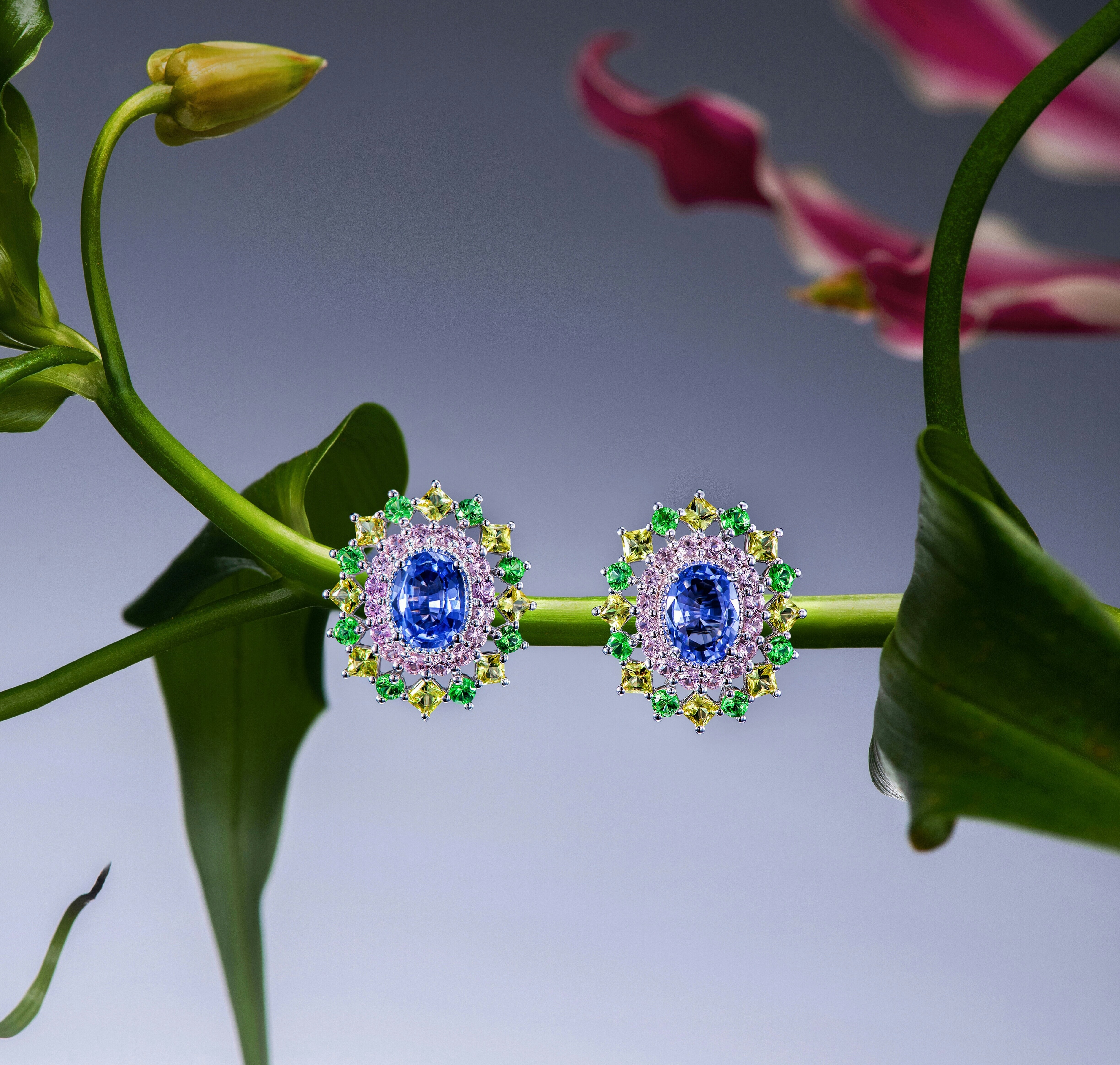
Sapphires captivate with their stunning colors and timeless elegance. They are a favorite among gemstone enthusiasts and collectors.
But buying a sapphire can be daunting. There are many factors to consider before making a purchase.
This guide will help you navigate the sapphire market with confidence. You'll learn about quality, pricing, and more.
Understanding the basics is crucial. Sapphires belong to the corundum family, sharing this with rubies.
The most sought-after sapphires are blue, but they come in many colors. Each color has its own charm and value.
Origin plays a significant role in a sapphire's worth. Stones from Kashmir, Burma, and Sri Lanka are especially prized.
Certification is essential for verifying authenticity and quality. It ensures you get what you pay for.
With this guide, you'll be well-equipped to make an informed sapphire purchase.
What Are Sapphires? An Overview
Sapphires are remarkable gemstones known for their beauty and durability. They are a variety of corundum, which ranks 9 on the Mohs scale of hardness. This makes them an excellent choice for everyday wear in jewelry.
Sapphires are more than just blue gems. They appear in a spectrum of colors due to trace elements, enhancing their unique appeal. This variety offers options for every taste and style, from classic to modern.
When purchasing sapphires, several aspects are essential to consider:
l Color Variations: Beyond blue, options include pink, yellow, and green.
l Durability: Ideal for rings, bracelets, and other frequently worn jewelry.
l Cultural Significance: Historically linked to wisdom and royalty.
With their rich history and varied hues, sapphires continue to enchant collectors and jewelers worldwide.
1. The Anatomy of Color: The Ultimate Value Driver
Unlike diamonds, where the absence of color maximizes value, colored gemstones are judged almost entirely by the purity, tone, and saturation of their hue. In the realm of sapphires, color accounts for up to 50% to 70% of the stone’s total market value. When evaluating color, gemologists split the visual profile into three critical dimensions:
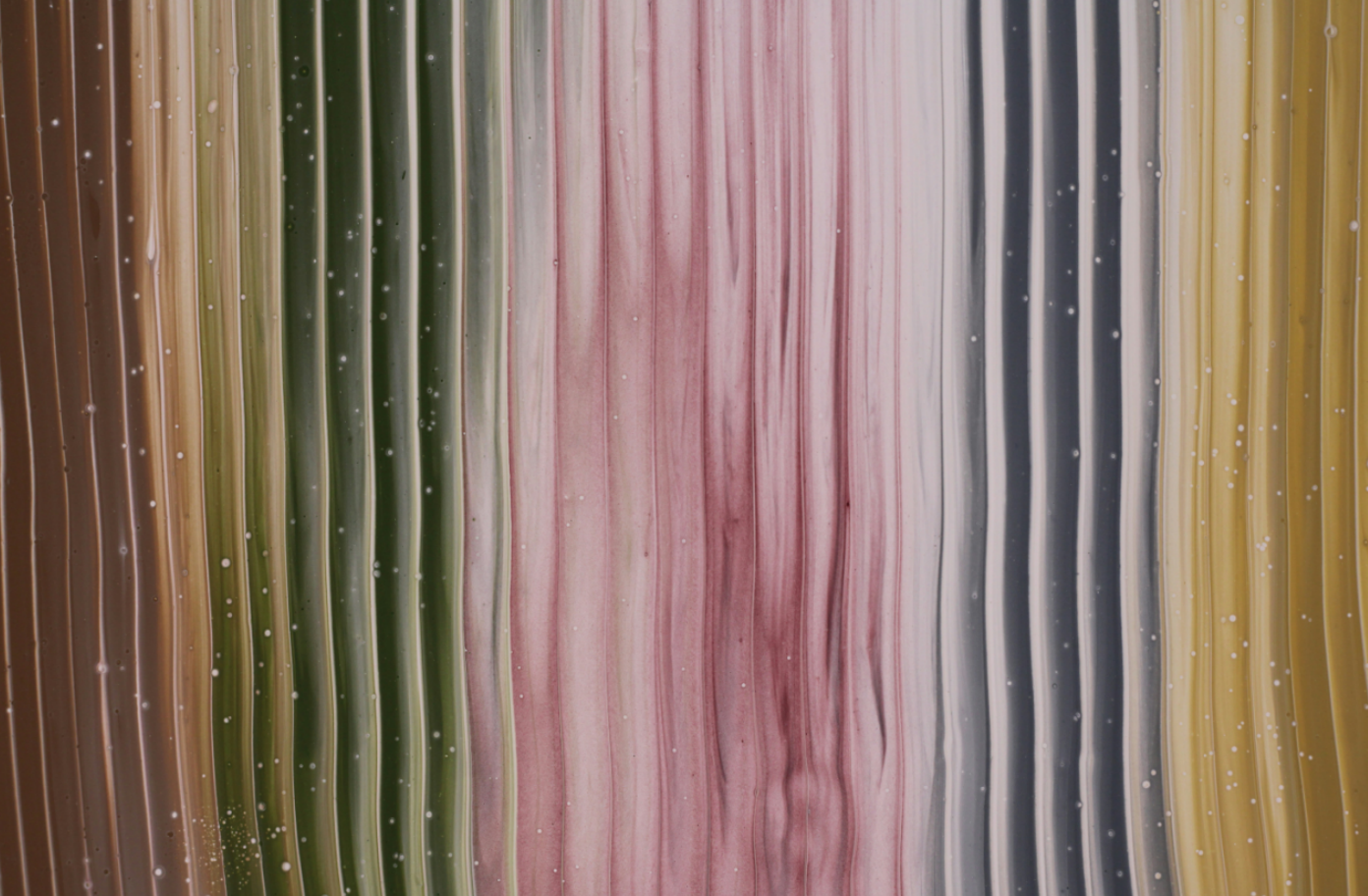
l Hue: This refers to the primary color of the gemstone, along with any secondary overtones. While sapphires occur in a rainbow of "fancy colors" (including pink, yellow, green, and the legendary pink-orange Padparadscha), the true blue sapphire remains the traditional benchmark. The most prized hues are pure vibrant blue to slight violetish-blue. Strong green or grey overtones will significantly diminish market value.
l Tone: Tone describes how light or dark the stone appears, ranging from very light to near-black. The sweet spot for top-tier sapphires sits between medium and medium-dark. Stones that are too light lack visual presence, while those that are too dark appear opaque and "inky" under low lighting, which severely devalues the gem.
l Saturation: This defines the vividness or brightness of the color. The higher the saturation, the more electric and "alive" the sapphire looks. The finest specimens possess "vivid" or "strong" saturation, causing the gem to radiate color even in low-light environments.
by Susan Wilkinson (https://unsplash.com/@susan_wilkinson)
This diversity allows sapphire enthusiasts to select stones that resonate with their personal style and story.
Sapphire Origins: Why Location Matters
The birthplace of a sapphire can significantly influence its value and allure. Some regions are celebrated for producing sapphires with distinct qualities. These variations can include unique colors, clarity, and saturation.
Kashmir, Burma (now Myanmar), and Sri Lanka are the most revered sources of high-quality sapphires. Each locale contributes different characteristics. Sapphires from Kashmir are known for their velvety blue tones. Burmese sapphires are famed for intense saturation. Meanwhile, Sri Lankan sapphires often display a wide variety of hues.
The origin of a sapphire is not just a matter of heritage but also prestige. Popular origins include:
l Kashmir: Known for deep blues.
l Burma: Offers vibrant colors.
l Sri Lanka: Known for a wide color range.
When considering a purchase, knowing the origin helps ensure that your choice is informed and reflects your preference for distinct regional characteristics.
Understanding Sapphire Quality: The 4 Cs
When evaluating sapphires, understanding the four Cs—color, clarity, cut, and carat weight—is crucial. These factors collectively determine a sapphire's value and appearance.
Color is the most significant determinant of a sapphire's beauty and worth. It is assessed based on hue, tone, and saturation. The desired blue shade, along with vibrant saturation, typically commands higher prices.
Clarity assesses internal characteristics known as inclusions, which are common in sapphires. While many inclusions can lower value, some can add character or prove a stone's natural origin.
Cut influences how light interacts with the sapphire, affecting its brilliance. A well-executed cut will maximize light reflection and enhance the stone's appearance.
Carat weight refers to the sapphire's size, with larger stones usually having higher value. However, other factors can outweigh size in determining worth.
Color: The Most Important Factor
For sapphires, color is king. A sapphire's hue determines its appeal and value more than any other attribute. Rich, deep blues with even saturation are most prized. However, fancy sapphires in pink, yellow, or green offer unique beauty.
A sapphire's color quality is judged based on:
l Hue: The stone's primary color.
l Tone: The lightness or darkness of the color.
l Saturation: The color's intensity and purity.
Prioritize color when choosing a sapphire to ensure a vibrant and striking jewel.
Clarity: What to Look For
Clarity in sapphires refers to the presence of inclusions, which are natural imperfections. Unlike diamonds, some inclusions can enhance the character of a sapphire. These features can indicate authenticity and natural formation.
Seek stones where inclusions don't interrupt the stone's beauty. Lesser visible inclusions usually boost a sapphire's value.
Key points to consider in clarity:
Few visible inclusions
Absence of disruptive blemishe
Presence of silk inclusions in untreated stones
A clear sapphire gives brilliance and radiance, making it highly desirable.
Cut: Maximizing Brilliance
The cut of a sapphire influences how light interacts with its facets, impacting the stone’s brilliance. A well-cut sapphire reflects light evenly, enhancing its color and sparkle.
Good cuts show symmetry and showcase the sapphire's natural beauty. Shapes like oval, round, and cushion are popular as they bring out the best in the stone.
The key aspects of a good cut include:
Symmetry: Even and proportional facets.
Proportion: Proper depth and angles.
Polish: Smooth, glossy surfaces.
Choosing the right cut ensures your sapphire dazzles with light and life.
Carat Weight: Size and Value
Carat weight measures a sapphire's size, and while larger sapphires are often more valuable, size isn't everything. The interplay of size with other quality factors affects overall worth.
A heavier sapphire may be less valuable if it lacks vibrancy or has visible inclusions. Balance carat weight with color, clarity, and cut to find the best value.
Considerations in carat weight:
Balance with quality: A mix of size and high-quality 4 Cs.
Usability in jewelry: Fits desired settings.
Budget alignment: Matches price expectations.
by Fallon Michael (https://unsplash.com/@fallonmichaeltx)
Striking the right balance between size and quality ensures a satisfying purchase.
Natural vs. Treated vs. Synthetic Sapphires
Understanding the differences between natural, treated, and synthetic sapphires is crucial for informed buying. Natural sapphires are mined and may have undergone minimal processing like cutting and polishing. They generally have inclusions and may exhibit unique characteristics.
Treated sapphires are natural stones that undergo processes to enhance color and clarity. Heat treatment is common and accepted, but reduces rarity and sometimes value.
Synthetic sapphires are lab-created but have identical chemical and physical properties to natural sapphires. Although they offer affordability, synthetic stones lack the scarcity and lore of natural sapphires.
Consider these aspects when choosing:
Natural Sapphires: Unique inclusions, natural beauty.
Treated Sapphires: Enhanced appearance, more affordable.
Synthetic Sapphires: Identical structure, lower cost.
Decide based on your needs, balancing aesthetics with budget and authenticity.
Sapphire Certification: Ensuring Authenticity
Certification plays a vital role in verifying a sapphire's authenticity and quality. Reputable gemological labs provide detailed reports that cover various aspects of the stone. These include color, carat weight, and any treatments the sapphire may have undergone.
Without a certificate, distinguishing between natural and treated stones can be challenging for buyers. Certificates offer peace of mind and help establish value, especially for high-quality or rare stones.
Key points found in certification:
Origin: Determines the stone's geographical source.
Treatments: Discloses any enhancements.
Quality: Provides detailed analysis on color and clarity.
Purchasing from sellers who provide certification ensures a trustworthy transaction and helps you make informed decisions.
Blue Sapphire Price: What Influences Cost?
The price of blue sapphires fluctuates considerably based on several key factors. Their rarity and quality primarily drive these variations in price. High-demand origins like Kashmir, Burma, and Sri Lanka often command premium prices.
Another significant factor is the stone's color. Deep, vivid blue sapphires fetch higher prices compared to lighter hues. Saturation and tone are meticulously evaluated, as these attributes significantly affect market value.
Important factors affecting blue sapphire price:
Color Quality: Deep, vivid blues are more desirable.
Origin: Sapphires from renowned locations are more expensive.
Treatment: Untreated stones are typically costlier.
Transparency and size also play crucial roles in determining cost. Larger carat weights enhance the stone's value, especially when paired with desirable characteristics. Buyers should consider these factors to ensure they pay a fair price.
Ethical Sourcing and Responsible Buying
Ethical sourcing of sapphires has become increasingly important for conscientious buyers. It's crucial to ensure that sapphires are mined responsibly, reducing environmental and social impact. By prioritizing ethical sources, you contribute to sustainable practices.
Reputable dealers often provide certified information about a gemstone's origin and mining conditions. This transparency helps buyers make informed decisions aligned with their values. Always ask questions about the stone's provenance before purchasing.
Key ethical considerations:
Fair Labor: Support miners with fair wages.
Environmental Impact: Minimize ecological damage.
Transparent Origin: Verify the stone's mining background.
How to Choose the Right Sapphire for You
Selecting the perfect sapphire involves aligning it with personal preferences and lifestyle. Consider the desired color, shape, and overall style that suits you best. Whether it's for everyday wear or special occasions, think about how the stone's characteristics fit your needs.
When shopping for sapphires, take into account the gemstone's setting in jewelry and its durability for your daily activities. Matching the sapphire's characteristics with your personality and fashion sense will enhance your satisfaction.
Factors to consider when choosing:
Color Preference: Blue, pink, or other hues.
Shape and Cut: Round, oval, or cushion.
Jewelry Setting: Ring, necklace, or earrings.
Sapphire Jewelry: Popular Styles and Settings
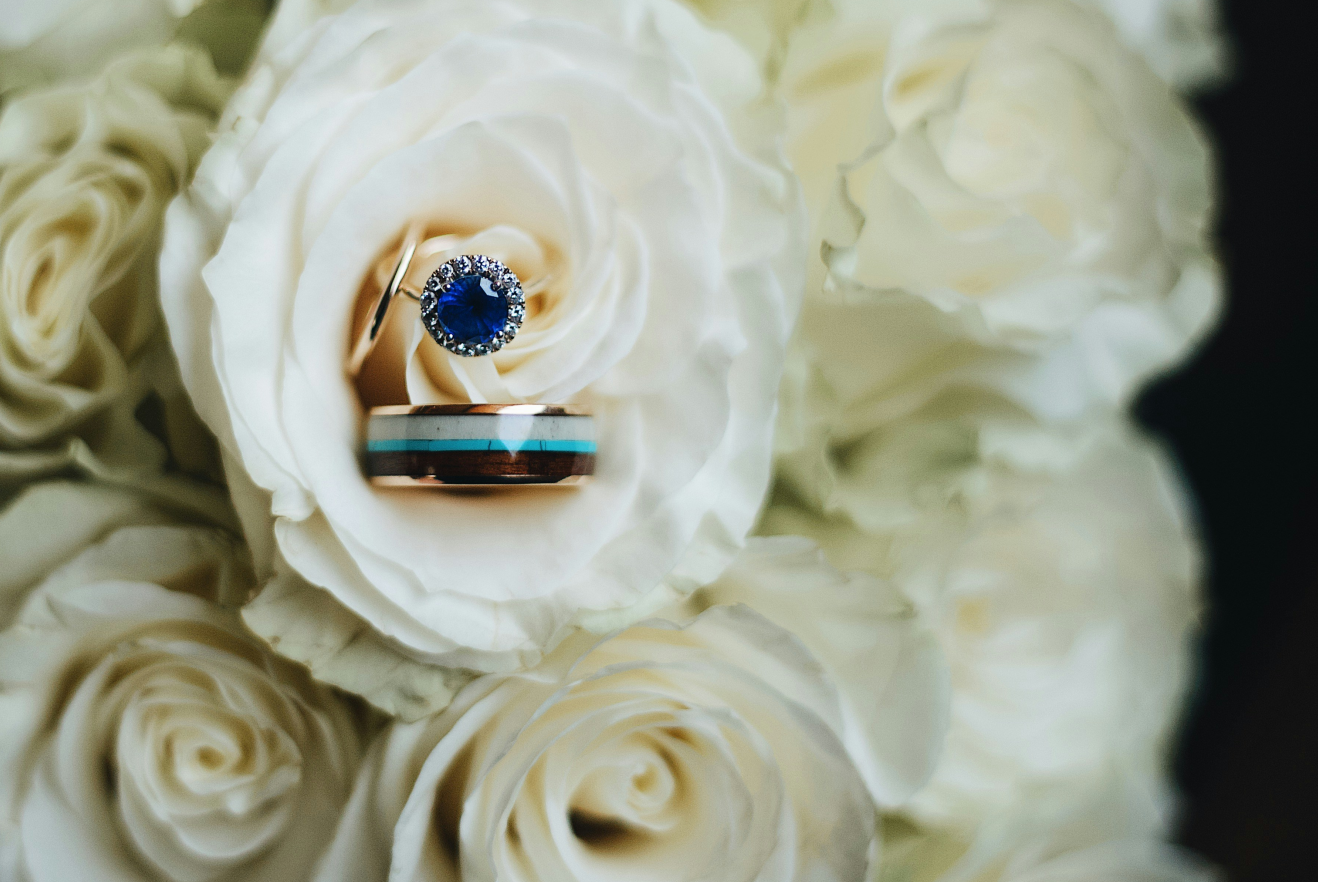
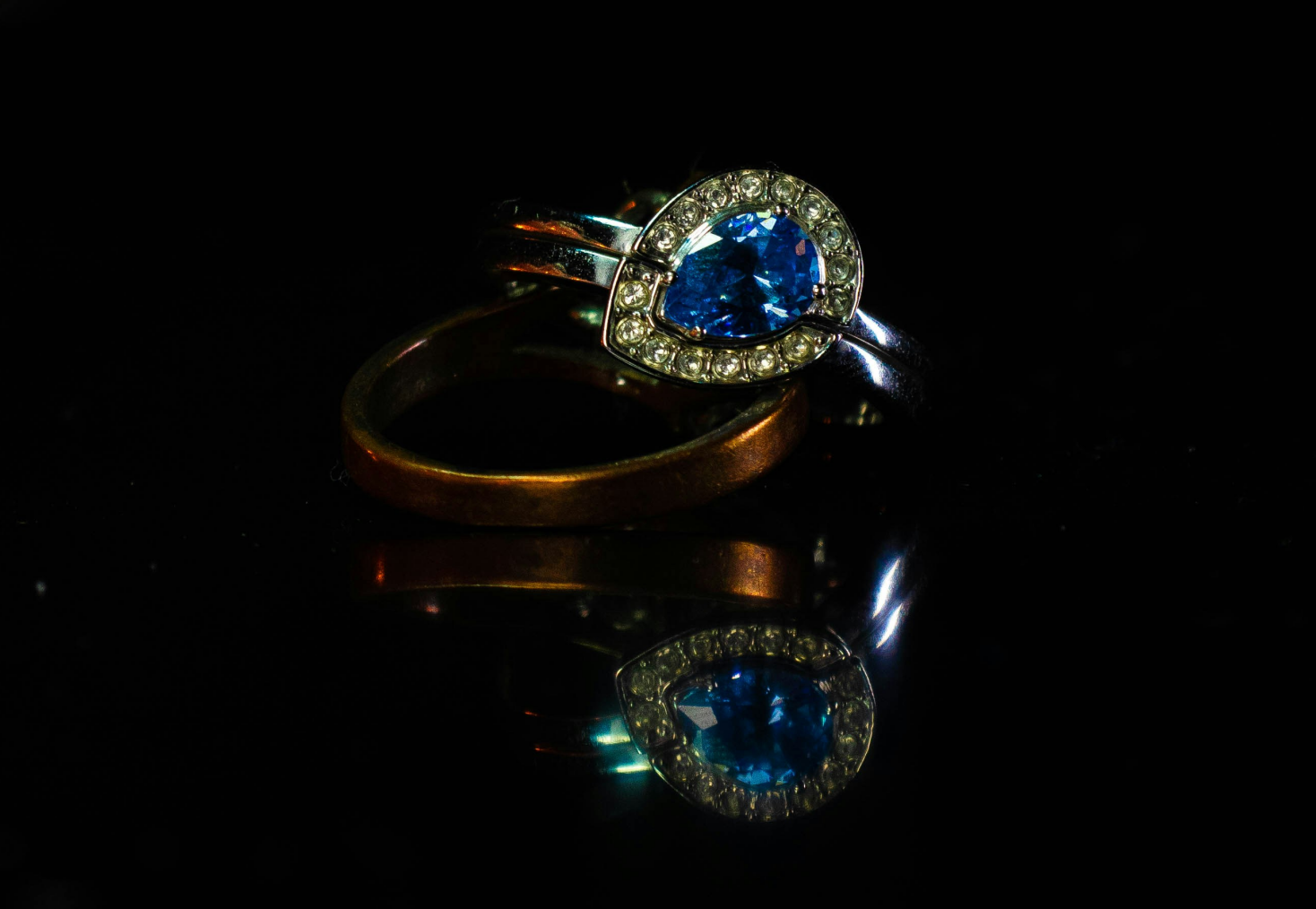
Sapphire jewelry is celebrated for its elegance and versatility. It often features in timeless pieces from engagement rings to dainty necklaces. The deep blue hue is frequently paired with diamonds for a classic, sophisticated look.
Different settings showcase sapphires' beauty in unique ways, enhancing the gemstone's natural charm. Antique-inspired settings can exude vintage allure, while modern designs highlight minimalist elegance. Your personal style should guide the choice of setting for any sapphire piece.
Popular settings and styles include:
Solitaire Rings: Simple and elegant.
Halo Styles: Enhanced sparkle.
Cluster Designs: Unique and eye-catching.
Caring for Your Sapphire: Maintenance and Cleaning
Sapphires, known for their durability, require proper care to maintain their brilliance. Cleaning your sapphire jewelry regularly ensures it keeps shining beautifully. Simple maintenance can prolong the life and luster of your pieces.
Avoid exposing sapphires to harsh chemicals, which might damage the stone. Cleaning with mild soap and warm water is usually sufficient. Always dry your sapphire jewelry gently with a soft cloth to avoid scratches.
Key maintenance tips include:
Regular Cleaning: Mild soap and water.
Gentle Drying: Use a soft cloth.
Safe Storage: Protect from scratches.
Sapphire as an Investment: Value Over Time
Sapphires are not only beautiful but can also be a wise investment. Their value often appreciates, making them appealing to investors. Demand for sapphires is rising, driven by their historical significance and timeless beauty.
When considering sapphires as an investment, focus on quality and origin. Rare, untreated stones from regions like Kashmir hold higher long-term value. Always seek certification to ensure authenticity and quality.
Investment tips for sapphire buyers:
Focus on Quality: Seek rare and untreated stones.
Know the Origin: Sapphires from Kashmir or Burma.
Secure Certification: Verify authenticity and quality.
 by efyhkm (https://unsplash.com/@efyhkm)
Frequently Asked Questions About Sapphires
Are sapphires only blue?
No, sapphires come in various colors like pink, yellow, and green. Blue is just the most recognized.
What is a fancy sapphire?
Fancy sapphires refer to those that aren’t blue. Each color variation has its own unique appeal.
Do sapphires need certification?
Certification ensures quality and authenticity. It's a safeguard against purchasing mislabeled stones.
Common questions when considering sapphires:
What colors do sapphires come in?
What is a fancy sapphire?
Is certification necessary for purchase?
Exploring these questions can guide you in making a more informed sapphire purchase.
Conclusion: Making an Informed Sapphire Purchase
Purchasing a sapphire involves understanding numerous factors. Awareness of these helps make a wise and fulfilling decision. Always prioritize quality, certification, and ethical sourcing.
Research is vital. Take time to compare different sapphires. Ensure the sapphire meets personal preferences and budget. Whether for an engagement ring or investment, finding the right sapphire adds beauty and value to your life.
Authoritative References & Market Data Sources
l Gemological Institute of America (GIA): Sapphire Quality Factors and Industry Standards. Accessible via GIA Sapphire Quality Factors.
l The Natural Sapphire Company: Educational Global Pricing Indices & Historic Market Valuation Matrix.
l RubyGlint: Global Wholesale-to-Retail Sapphire Value Calculator and Provenance Analysis Report.