Article Content
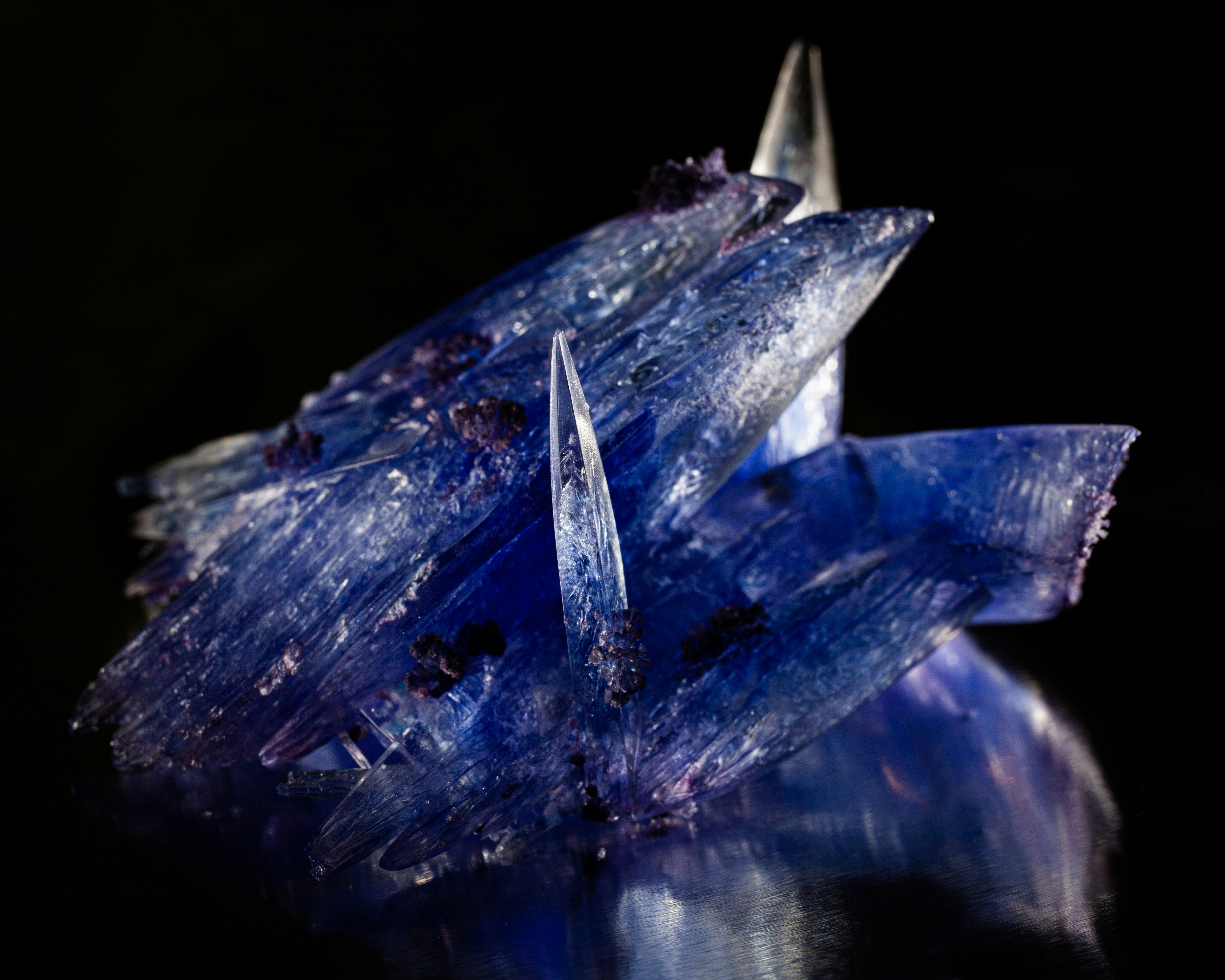
Sapphires have captivated humans for centuries. Their deep blue hue is mesmerizing and enchanting. But what do sapphires truly mean?
These gemstones are more than just beautiful. They hold rich symbolism and historical significance. Sapphires are often linked to wisdom and virtue.
The name "sapphire" comes from ancient languages. Both Latin and Greek words for blue inspired it. This reflects the stone's most famous color.
Sapphires are a type of corundum mineral. They share this category with rubies. On the Mohs hardness scale, corundum ranks at a spectacular 9, second only to diamonds. This makes them incredibly durable and valuable.
Throughout history, sapphires have been cherished by royalty. They symbolize divine favor and protection. Many cultures have revered them for their spiritual properties.
Today, sapphires are popular in jewelry. They are especially favored in engagement rings. Their symbolism of fidelity and sincerity is timeless.
In this article, we will explore the meaning of sapphires. From their symbolism to their benefits, discover why they remain so beloved.
What Is a Sapphire? Origins and Characteristics
Sapphires are fascinating gemstones known for their stunning beauty and cultural significance. These stones are part of the corundum mineral family, which includes another famous gem: the ruby. The most well-known sapphires are blue, but they exist in various hues.
The origins of the word "sapphire" trace back to Latin and Greek languages, where both terms emphasize the color blue. However, sapphires can also be found in shades such as pink, yellow, green, and even colorless.
The deep, vivid blue sapphires are highly sought after. Yet, each color variety has its own charm and meaning. These gems can range from subtle pastels to rich and intense colors.
Here are key characteristics of sapphires:
l Color: Blue, pink, yellow, green, colorless
l Hardness: Mohs scale rating of 9
l Mineral family: Corundum
l Common uses: Jewelry, especially engagement rings
Sapphires are more than just stones; they are treasures of history and nature. Their beauty and hardness make them captivating and long-lasting pieces for any collection.
The History of Sapphires: From Ancient Times to Modern Day
Sapphires have a storied history that dates back thousands of years. The allure and significance of these gemstones have transcended time and cultures. They have been revered by royals, clergies, and even warriors.
In ancient Persia, people believed the sky was blue because it reflected the hue of a giant sapphire on which the world rested. This mythical belief illustrates the profound impact of sapphires on ancient cosmologies.
During the Middle Ages, sapphires symbolized heavenly blessings. Clergies and kings adorned themselves with these stones, associating them with divine favor and protection against evil. Their deep blue color was linked to notions of purity and wisdom.
Sapphires also held importance in ancient Rome and Greece. Romans believed that sapphires protected their owners from harm and envy. Greeks linked them to Apollo, the god of prophecy and truth, and wore them while consulting the Oracle.
India regarded sapphires as a powerful talisman offering protection and attracting blessings. These stones were embedded in cultural and spiritual practices, resonating deeply across traditions.
Over time, sapphires maintained their status as symbols of status and authority. They adorned crowns and royal regalia in Europe, making them staples in dynastic jewels and as gifts of loyalty and respect.
From the Byzantine Empire to the British monarchy, sapphires have consistently been featured in prestigious jewelry collections. One famous example is the engagement ring of Princess Diana, now worn by Catherine, Duchess of Cambridge.
In modern times, sapphires continue to enchant gemstone enthusiasts and collectors. Their beauty remains timeless, captivating new generations who admire both their aesthetic and historic allure.
Key historical points related to sapphires include:
l Ancient Persia: Belief that the earth sat on a giant sapphire.
l Middle Ages: Associated with divine favor and purity.
l Greek and Roman times: Protection and connection to prophecy.
l India: Talisman for protection and blessings.
l Royalty use: Featured in crowns and royal regalia.
The history of sapphires reflects a blend of myth, culture, and power. Their enduring appeal through various epochs showcases their universal charm and significance.
Sapphire Symbolism Across Cultures
Sapphires, celebrated for their deep blue beauty, carry a powerful symbolism that transcends cultures. Across the world, they embody meanings as diverse as the lands they come from.
In medieval Europe, sapphires were symbols of the heavens. Clergies favored them, believing they ensured fidelity and removed impurities. This association made them popular in ecclesiastical rings and crowns.
Asian cultures, such as in India, have long held sapphires in high esteem. Here, they are known for their ability to protect against envy and harm. Their spiritual significance lies in promoting harmony and enlightenment.
The Greeks connected sapphires with their god Apollo. They wore sapphires during oracular consultations, believing these stones enhanced wisdom and intuition. This connection with insight and clarity is prevalent in many cultures.
In ancient Persia, sapphires were believed to bring prosperity and good luck. The rich blue color was thought to ward off the evil eye, offering protection and favor from deities.
Even in Native American cultures, sapphires have been symbols of abundance and fertility. Their lore reflects a connection to nature's cycles, expressing the flow of life.
Sapphires also have a place in Jewish folklore. They are thought to represent the firmament and the pact between God and His people. This belief ties them to concepts of hope and divine promise.
The symbolism associated with sapphires can be summarized as follows:
l Protection and warding off harm: Common in Persian and Indian cultures.
l Wisdom and insight: Seen in Greek traditions.
l Divine favor and purity: Popular during medieval times.
Sapphire symbolism provides a rich tapestry of meanings. It is a testament to their universal appeal and profound impact across different societies.

by Logan Voss (https://unsplash.com/@loganvoss)
Understanding these cultural interpretations enhances our appreciation of sapphires. They are more than mere gemstones; they are threads woven through human history, carrying timeless stories and profound meanings.
Sapphire Spiritual Meaning and Metaphysical Properties
Sapphires hold a deep spiritual resonance beyond their aesthetic beauty. They are often associated with elevated states of awareness and spiritual wisdom. These gemstones are thought to connect with higher realms, offering guidance and insight into one's spiritual path.
A key aspect of sapphire spiritual meaning lies in its ability to enhance intuition. Many believe that wearing sapphires can open the mind to receive messages from the universe. This intuitive boost can lead to profound personal revelations and a clearer understanding of life's purpose.
In the realm of healing crystals, sapphires are prized for their calming effect on the mind. They are said to promote mental clarity, helping wearers navigate complex situations with poise and serenity. This mental peace extends to emotional well-being, reducing stress and bringing tranquility.
Sapphires are also known to foster loyalty and trust. Their energy reinforces bonds in relationships, encouraging honest and truthful connections. This attribute makes them popular in engagement rings, symbolizing fidelity and commitment between partners.
Another metaphysical property is sapphires' connection to prosperity and abundance. They are believed to attract financial stability and success, making them favorable talismans for entrepreneurs and visionaries. This energy of abundance reflects not just in wealth, but in personal and spiritual growth as well.
The benefits of sapphires can be summarized through these metaphysical properties:
l Enhancing intuition: Connecting to higher awareness.
l Calming and mental clarity: Promoting peace of mind.
l Fostering loyalty and trust: Strengthening relationships.
l Attracting prosperity: Encouraging success and growth.
In the holistic healing community, sapphires are often integrated into meditation practices. They are used to align energies, open the third eye chakra, and balance the throat chakra. These practices highlight their role as tools for spiritual exploration and personal transformation, underscoring the profound metaphysical significance of sapphires.
The Sapphire Color Chart: Exploring Sapphire Hues and Their Meanings
Sapphires are renowned for their array of stunning colors. This vibrancy is mapped in the sapphire color chart, which showcases their vast hue range. While blue is the most iconic color, sapphires also appear in other enchanting shades.
When corundum forms in nature, it is naturally colorless. However, over millions of years, trace elements creep into the crystal lattice structure.
l Iron and titanium yield classic blues.
l Chromium turns the crystal pink (and if it turns deep red, it is officially classified as a ruby).
l Ferric iron produces sunny yellows and vibrant oranges.
Because rubies and sapphires share the exact same mineral lineage, a ruby is essentially just a red sapphire.
To understand the sheer breadth of options available for your jewelry collection, let's break down the primary sections of a standard sapphire color chart:
1. Blue Sapphires (The Royal Standard)
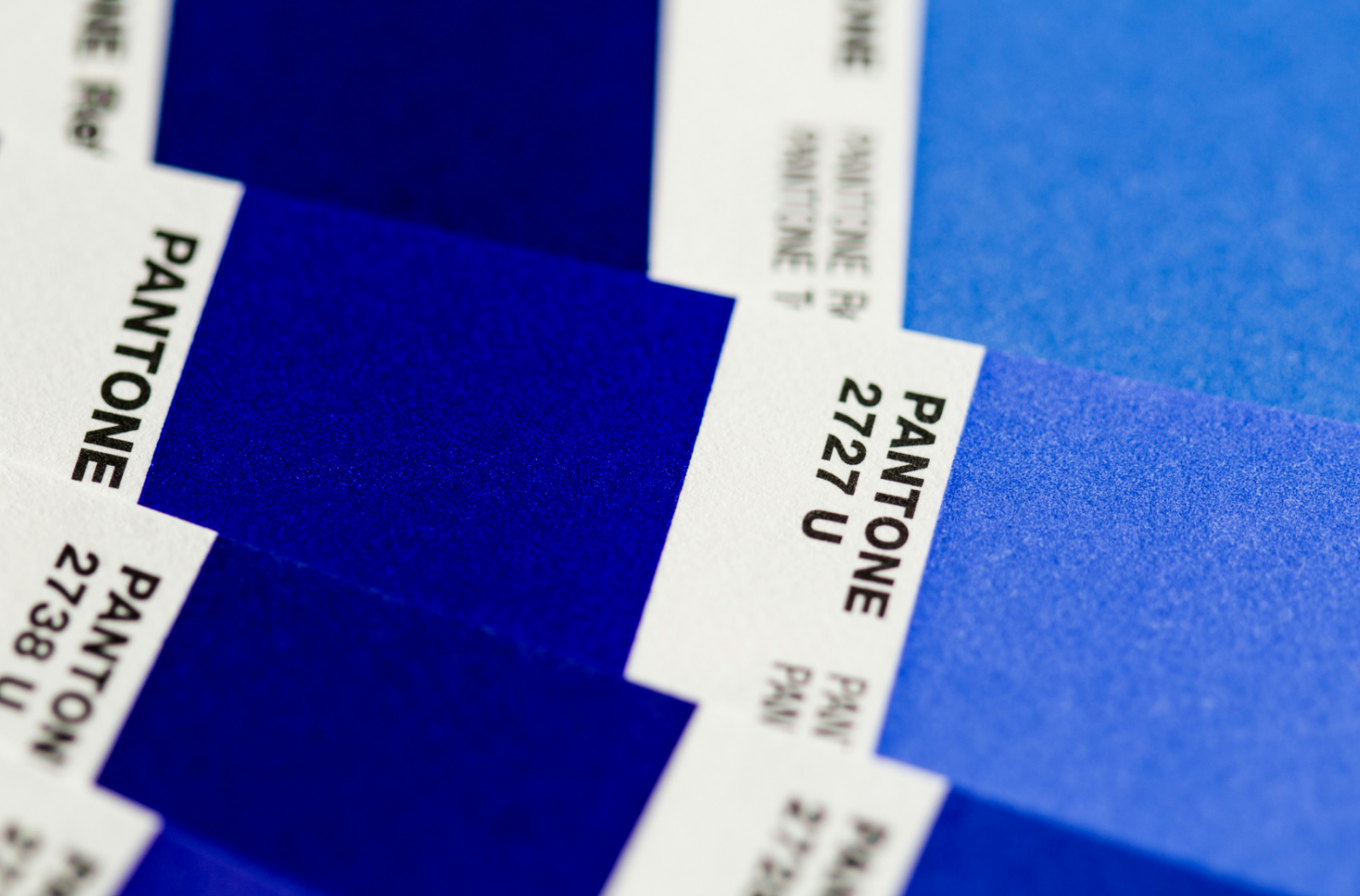
The value of a blue sapphire is heavily determined by its hue, tone, and saturation. The most coveted shades are "Cornflower Blue" (a bright, soft blue with a velvety texture) and "Royal Blue" (a deep, vivid blue).
2. Padparadscha Sapphires
Deriving its name from the Sinhalese word for "lotus flower," the Padparadscha is the rarest and most expensive of all fancy sapphires. It features a delicate, breathtaking blend of pink and orange. Authentic Padparadscha stones are primarily mined in Sri Lanka.
3. Pink and Purple Sapphires
As trace amounts of chromium increase, sapphires blush into shades of hot pink, magenta, and deep violet. These stones offer a highly durable, brilliant alternative to pink diamonds or amethysts.
4. Yellow and Orange Sapphires
Associated with warmth and prosperity, yellow sapphires range from pale lemon to deep, honeyed amber. They have surged in popularity as alternative engagement ring stones due to their joyful brilliance.
5. Green and Teal Sapphires
Once considered a niche collector's item, teal and green sapphires have exploded in contemporary design. They offer earthy, unique variations blending blue, green, and gray tones, heavily sourced from places like Montana and Australia.
Green sapphires signify growth and renewal, often used for inner peace and resilience. Orange sapphires are rare, carrying vibrant energy linked to creativity and enthusiasm. Purple sapphires are linked to luxury and spirituality, inviting imagination and depth.
by Christina Rumpf (https://unsplash.com/@rumpf)
Each sapphire color offers unique qualities that resonate with different individuals. This spectrum allows for personalization, ensuring that there is a sapphire perfect for every preference and purpose.
Ceylon Sapphire: The Jewel of Sri Lanka
Ceylon sapphires are among the most treasured gemstones in the world. Originating from Sri Lanka, these sapphires are celebrated for their exceptional quality and vibrant color. Their allure is unmatched, drawing the attention of collectors and jewelers globally.
The Ceylon sapphire's rich historical significance dates back centuries. Sri Lanka, once known as Ceylon, has long been synonymous with the supply of high-quality sapphires. The island is famous for producing stones with an unparalleled brilliance and clarity.
Ceylon sapphires typically exhibit a distinctive cornflower blue hue. This shade is lighter and brighter compared to other blue sapphires, enhancing its appeal. The clarity and brightness of these gems make them a preferred choice for fine jewelry.
Noteworthy Attributes of Ceylon Sapphires:
l Vibrant Color: Known for a distinctive, bright blue color.
l Exceptional Clarity: Fewer inclusions make them highly prized.
l Unique Origin: Exclusively mined in Sri Lanka, enhancing their rarity.
These sapphires have adorned the crowns and jewelry of royalty throughout history. Their enduring beauty signifies wisdom and nobility, symbolizing the pinnacle of elegance.
by Zoshua Colah (https://unsplash.com/@zoshuacolah)
Owning a Ceylon sapphire is possessing a piece of gemological history. The legacy and unmatched beauty of these sapphires continue to captivate gemstone enthusiasts around the world. Each piece tells a story of ancient splendor, connecting the owner to the rich cultural tapestry of Sri Lanka.
Sapphire Significance in Jewelry and Fashion
Sapphires have held a prominent place in the jewelry world for centuries. They are admired for their deep and captivating colors, which make them a stunning choice in various adornments. Their durability and brilliance are unmatched, offering a timeless elegance.
The appeal of sapphires extends across various cultures and styles. Designers embrace sapphires for their versatility, crafting pieces that are both classical and contemporary. This adaptability keeps sapphires at the forefront of fashion trends.
Many prefer sapphires in engagement and wedding rings. These jewels symbolize fidelity and commitment, making them ideal for romantic gestures. Additionally, their hardness ensures they can endure daily wear without losing their luster.
The fashion world continually celebrates sapphires for their symbolic and aesthetic value. Their rich hues elevate any outfit, whether formal or casual. As fashion evolves, sapphires remain a staple, signifying grace and timelessness. Whether in a heirloom or a modern design, sapphires undeniably captivate the heart and eye alike, making a lasting impression.
Sapphires in Astrology and Birthstone Traditions
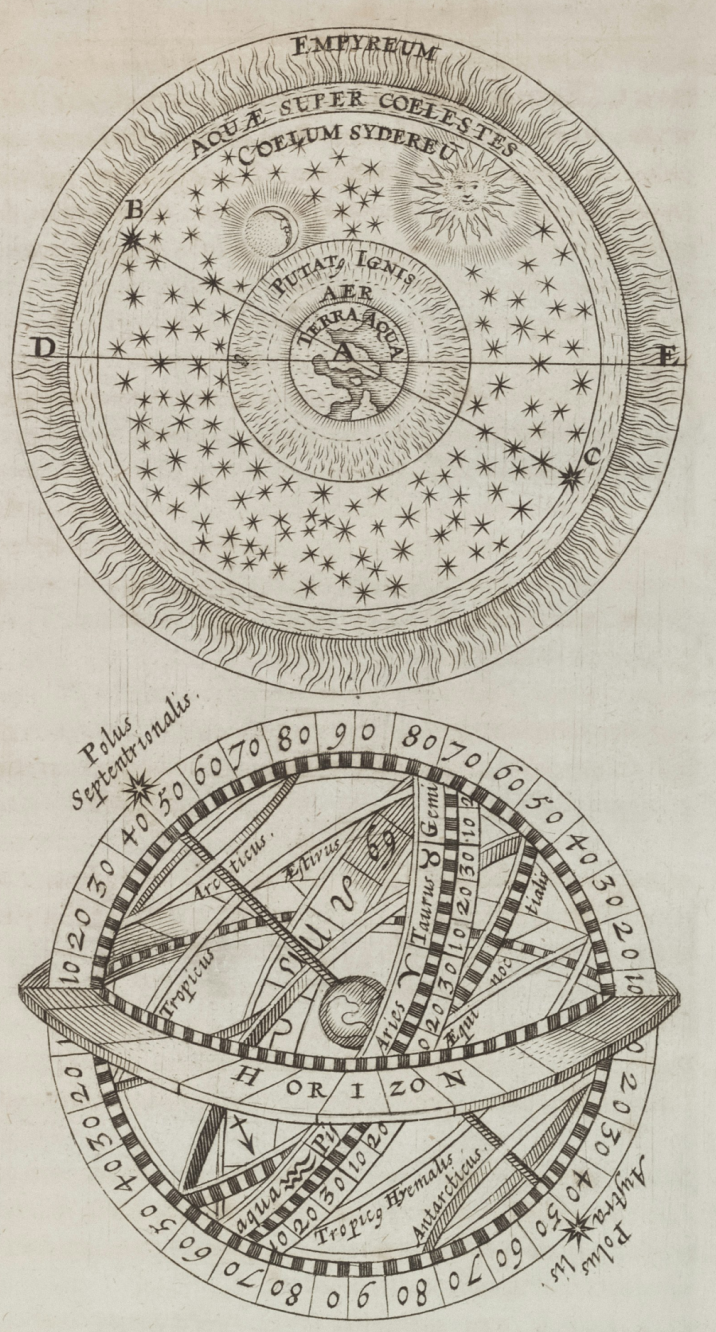
Sapphires hold a unique position in astrology. They are linked with the planet Saturn, known for instilling discipline and clarity. Many believe wearing a sapphire can harness Saturn's energies, promoting focus and stability.
In the realm of birthstones, sapphires represent those born in September. As a September birthstone, sapphires are associated with wisdom, virtue, and good fortune. These qualities make them a meaningful gift for those celebrating birthdays in this month.
Astrologers often recommend sapphire to enhance one’s destiny. It is believed to bring balance and insight to its wearer. Historically, many cultures viewed sapphires as a talisman, protecting against envy and harm.
Astrological and Birthstone Significance:
l Saturn Association: Encourages discipline and focus.
l September Birthstone: Symbolizes wisdom and virtue.
l Protection and Balance: Enhances personal growth.
by The New York Public Library (https://unsplash.com/@nypl)
In modern birthstone traditions, sapphires continue to captivate. They are chosen not only for their beauty but also for their symbolic depth. With their alluring charm and powerful astrological significance, sapphires remain a cherished choice, resonating with individuals seeking both elegance and spiritual enrichment.
Healing Benefits of Sapphires: Mind, Body, and Spirit
Sapphires are more than just stunning gemstones. They are believed to harbor powerful healing energies. Many embrace their potential to align and calm the mind.
The soothing blue hues of sapphires are thought to promote mental clarity. This clarity aids in decision-making and enhances focus. Users often experience a serene, meditative state.
In physical wellness, sapphires are associated with eye health. It's believed they have the ability to ease inflammation and help vision. They also symbolize longevity, offering a sense of vitality.
Sapphires' spiritual properties are equally celebrated. They are thought to enhance spiritual insight and intuition. This makes them a popular choice for those on a metaphysical journey.
Key Healing Benefits:
l Mental Clarity: Promotes focus and tranquility.
l Physical Health: Supports eye health and reduces inflammation.
l Spiritual Insight: Enhances intuitive understanding.
by lilartsy (https://unsplash.com/@lilartsy)
Overall, the healing benefits of sapphires embrace the holistic connection of mind, body, and spirit. This combination of attributes continues to attract those seeking balance and harmony in their lives. Whether used in meditative practices or worn as jewelry, sapphires' energies remain influential in personal well-being.
Famous Sapphires and Legendary Stories
Throughout history, many sapphires have captivated the world. These stones are embedded in tales of beauty and intrigue. They often symbolize power and mystery.
One of the most famous is the Star of India. Weighing over 563 carats, it resides in a museum. Its distinct star pattern draws countless admirers.
Another remarkable sapphire is the Logan Sapphire. This magnificent gem weighs 422 carats. It is renowned for its deep, mesmerizing blue hue.
Notable Sapphires:
l Star of India: Famous for its size and unique star pattern.
l Logan Sapphire: Known for exceptional size and color.
l British Crown Jewels: Featuring several historical sapphires.
These sapphires have storied pasts and unrivaled beauty. They are cherished in their respective collections for all to appreciate. Their presence in museums and collections showcases the enduring allure of sapphires. Such legendary stones continue to inspire admiration and awe.
Natural vs. Synthetic Sapphires: Value and Meaning
Natural sapphires form deep within the Earth's crust. They are nurtured over millions of years. This process creates their unique beauty and value.
Synthetic sapphires, however, are crafted in laboratories. They match natural sapphires in appearance. Yet, they lack the rich history of their natural counterparts.
When choosing between natural and synthetic, consider your priorities. Natural sapphires hold more historical and emotional significance. They often come at a higher cost due to their rarity.
Key Differences:
Origin: Natural from nature, synthetic from labs.
Value: Natural generally higher in value.
Appearance: Similar, but synthetic lacks historical context.
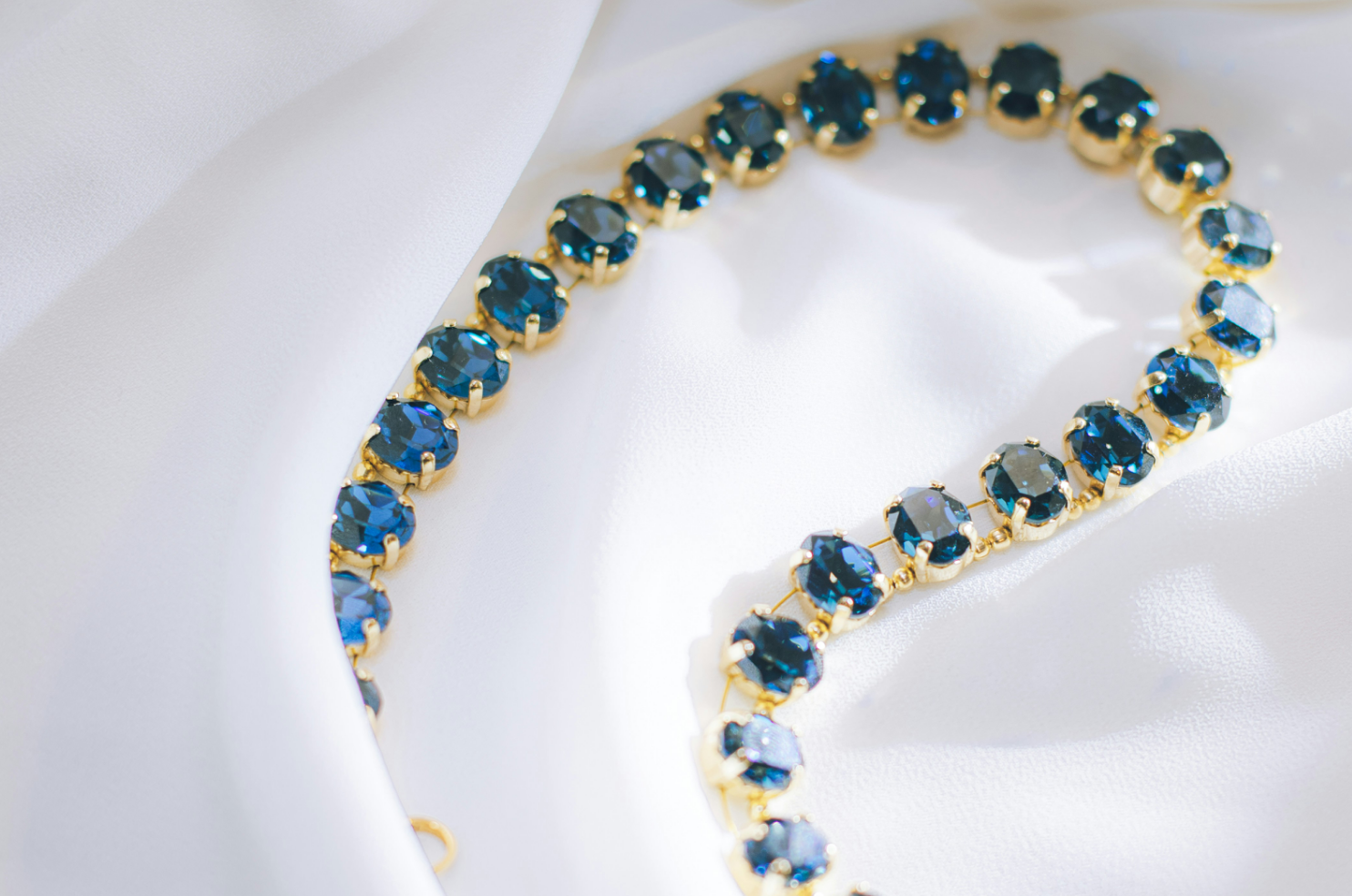
by Adi Albulescu (https://unsplash.com/@adialbulescu)
While synthetic options are more affordable, natural sapphires offer a deeper connection. Whether you seek rarity or practicality, both forms have their own unique appeal. The choice depends on personal preference and purpose.
How to Choose, Care for, and Wear Sapphires
Choosing a sapphire involves considering its color, clarity, cut, and carat weight. Each factor contributes to the stone's overall beauty and value. A certified gemologist can help ensure authenticity and quality.
Proper care is crucial to maintain the luster of your sapphire. Clean sapphires gently with a soft brush and mild soapy water. Avoid exposing them to harsh chemicals or extreme temperature changes.
Sapphires are versatile and durable, making them perfect for daily wear. They pair well with both casual and formal attire. Always store them separately to prevent scratches.
Tips for Choosing and Caring for Sapphires:
l Color: Aim for vibrant, uniform colors.
l Clarity: Look for minimal inclusions.
l Durability: Store separately to avoid scratches.
l Regular Cleaning: Use mild soap and water.
by Harpreet Singh (https://unsplash.com/@harpreetkaka)
When wearing sapphires, consider their symbolism. They enhance both style and spiritual strength, creating a connection beyond mere aesthetics. Embrace their elegance and history.
3 Essential Buying Tips: A Mini Sapphire Educational Guide
If you are looking to purchase a loose sapphire or a piece of fine jewelry, keep these three expert criteria in mind to ensure you get a high-quality stone:
Criteria | What to Look For |
1. Origin Matters | Kashmir and Burmese sapphires hold historic prestige, but today, Sri Lanka (Ceylon) and Madagascar produce some of the finest, cleanest, and most vibrant stones on the market. |
2. Heat Treatment | Roughly 90-95% of sapphires on the market undergo standard heat treatment to improve clarity and color saturation. Unheated sapphires with top-tier color are incredibly rare and command a massive price premium. Always ask for a laboratory report from trusted institutions like the Gemological Institute of America (GIA). |
3. Clarity vs. Inclusions | Unlike diamonds, sapphires are expected to have some internal characteristics, known as "inclusions" or "silk." Completely flawless natural sapphires are virtually nonexistent. Look for "eye-clean" stones where inclusions don't disrupt the light reflection. |
Conclusion: The Enduring Allure and Significance of Sapphires
Sapphires have captivated human hearts and minds for centuries. Their vibrant colors and profound meanings offer more than mere beauty. Each sapphire holds unique symbolism that resonates across cultures and ages.
These gemstones are cherished for their historical significance and spiritual meanings. They inspire wisdom, protection, and enlightenment for those who wear them. Sapphires bridge the gap between the material world and mystical realms.
Their appeal endures through their versatility in jewelry and their metaphysical benefits. Sapphires add elegance to any wardrobe and promise tranquility and clarity. Their timeless allure continues to enchant, making sapphires a cherished choice for many.
Authority References
l Gemstone mineral structures, hardness, and chemical compositions: Gemological Institute of America (GIA) - Sapphire Quality Factors
l Historical significance and royal lore: International Gem Society (IGS) - Sapphire Symbolism and History
l Vedicastrology and mineral variations: American Gem Trade Association (AGTA) - Sapphire Guide