Contenido del artículo
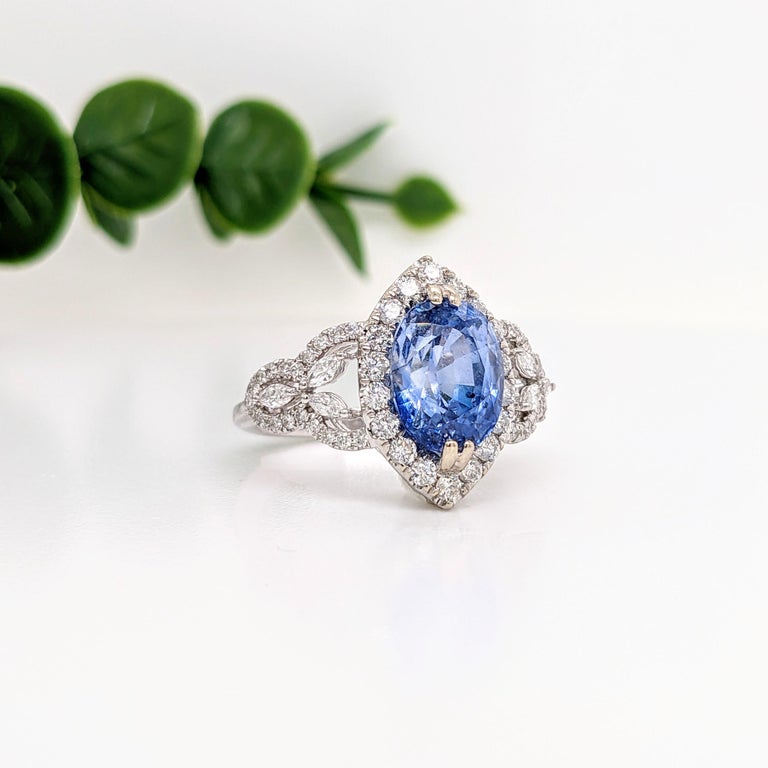
Si alguna vez has contemplado un auténtico zafiro de Ceilán a contraluz, ya sabes por qué los diseñadores vuelven a él una y otra vez. Posee un brillo particular —suave, azul aciano, casi iluminado desde dentro— que las fotografías no logran capturar del todo. Pero una vez que un cliente se enamora de esta piedra, comienza el verdadero trabajo de diseño: ¿qué la rodea? Durante años, la respuesta fue simplemente «más zafiros» o «más diamantes», sin más. Hoy en día, muchos de nuestros clientes en Oria Gems se hacen una pregunta diferente: ¿cómo combinar una pieza central natural con detalles de diamantes cultivados en laboratorio de una manera que siga siendo intencional, que conserve la apariencia de una joya de herencia y que no se dispare el presupuesto?
Esta es la conversación que tenemos casi a diario en nuestro estudio, así que quisimos plasmarla por escrito. A continuación, presentamos una visión práctica del trabajo con gemas de Ceilán , por qué las gemas naturales de Ceilán se comportan de manera diferente en el taller que las de otros orígenes, y cómo un engaste personalizado y bien pensado puede combinar piedras naturales y diamantes cultivados en laboratorio en una pieza armoniosa.
1. Por qué los zafiros de Ceilán siguen siendo la referencia
Sri Lanka lleva exportando zafiros desde hace más de dos mil años, y su reputación no se basa únicamente en el marketing. Los sedimentos de la isla, llamados illam , provienen de antiguas rocas metamórficas que se han erosionado y arrastrado río abajo durante millones de años, produciendo corindón con una composición química de oligoelementos que da como resultado piedras más claras, transparentes y luminosas que las de la mayoría de los demás orígenes. Por eso, los gemólogos siguen utilizando el material de Ceilán como referencia para describir el aspecto ideal de un zafiro azul.
Según el GIA , el origen y el historial de tratamiento son dos de los factores más importantes en el valor de una piedra de color, y Sri Lanka posee una de las mayores proporciones de zafiro fino sin tratamiento térmico disponible a escala comercial entre los principales países productores. Esto es relevante para el diseño, no solo para los informes de clasificación. Un zafiro natural sin tratamiento térmico o con un tratamiento ligero tiene una profundidad y una vitalidad interna realmente difíciles de reproducir, y es una de las razones por las que los clientes solicitan específicamente un zafiro de origen ceilandés en lugar de simplemente pedir "un zafiro azul".
También conviene recordar que los zafiros de Ceilán no son solo azules. Sri Lanka produce zafiros rosas, amarillos, morados, verdes y el famoso y raro padparadscha rosa anaranjado —llamado así por el color de una flor de loto al amanecer—, lo que ofrece a los diseñadores una paleta realmente amplia para crear composiciones alrededor de una sola pieza central natural.
2. Comprender el papel de las piedras decorativas naturales
Si bien el zafiro central atrae la atención, las piedras de acento desempeñan un papel importante a la hora de completar el diseño general de la joya.
Las piedras decorativas naturales pueden incluir:
La ventaja de las piedras naturales para adornos es que cada gema tiene sus propias características individuales. Las ligeras variaciones de color, las inclusiones y la formación de cristales hacen que cada pieza sea única.
Para los coleccionistas que valoran la autenticidad y la rareza, las piedras decorativas naturales ofrecen un atractivo adicional, tanto emocional como de inversión.
3. Detalles de diamantes naturales frente a detalles de diamantes cultivados en laboratorio
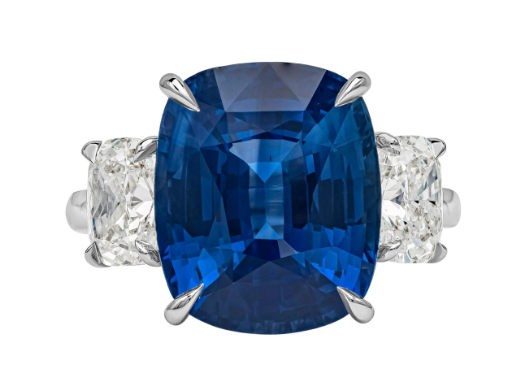
Tanto los diamantes naturales como los cultivados en laboratorio combinan a la perfección con los zafiros de Ceilán. La mejor opción depende de las prioridades del cliente.
Hoja comparativa: Opciones de detalles de diamantes para joyas de zafiro de Ceilán
Un diseñador de joyas experto puede utilizar cualquiera de las dos opciones, dependiendo del propósito de la pieza.
Para un zafiro de Ceilán de colección, algunos clientes prefieren diamantes naturales porque la pieza en su conjunto representa una rareza natural. En joyería moderna personalizada, los detalles de diamantes cultivados en laboratorio pueden crear un mayor impacto visual sin comprometer la accesibilidad del diseño.
4. Argumentos a favor de combinar piedras naturales con diamantes cultivados en laboratorio
Aquí es donde muchos clientes dudan. Si un zafiro natural es la pieza central, ¿tiene sentido rodearlo de diamantes que no se hayan extraído de la tierra?
En la práctica, sí, y por razones que no tienen nada que ver con ahorrar costes. Los diamantes cultivados en laboratorio comparten esencialmente la misma composición química, estructura cristalina y propiedades ópticas que los diamantes extraídos de minas; la diferencia radica en su proceso de crecimiento, no en su composición. La propia investigación del GIA sobre diamantes cultivados en laboratorio confirma que las piedras incoloras cultivadas en laboratorio solo se distinguen gemológicamente de los diamantes naturales mediante equipos de laboratorio especializados; a simple vista, son idénticas.
Para un diseño basado en un zafiro natural, esto ofrece algunas ventajas prácticas:
① Asignación presupuestaria
② Coincidencia consistente
③ Una historia clara. Ser transparente y dejar claro que la piedra central es un zafiro natural originario de Ceilán y que los detalles son diamantes cultivados en laboratorio ofrece al cliente una pieza honesta y fácil de explicar, en lugar de una descripción vaga como "detalles de diamantes" que deja a la gente con dudas.
5. Engastes de piedras preciosas personalizados: Cómo lograr una combinación armoniosa.
El engaste es donde un zafiro natural y detalles de diamantes cultivados en laboratorio parecen estar hechos el uno para el otro, o parecen dos proyectos diferentes pegados en un solo anillo. Algunas cosas que consideramos en el taller:
5. 1. Deja que la piedra natural guíe la paleta de colores.
Los zafiros de Ceilán tienen su propia personalidad tonal: un azul aciano tiende a ser más frío y claro, mientras que un azul real o "pavo real" es más profundo y saturado. Los diamantes incoloros son neutros por diseño, por lo que no desentonarán, pero la elección del metal sí. El platino y el oro blanco realzan la frialdad de un zafiro azul; el oro amarillo o rosa le darán calidez a la misma piedra y modificarán cómo se ven los diamantes sobre ella. Generalmente recomendamos que el cliente nos traiga (o apruebe) el zafiro real antes de finalizar la elección del color del metal, ya que las fotografías suelen subsaturar o sobresaturar las piedras azules.
5. 2. Elija un estilo de engaste que proteja la piedra central.
El zafiro tiene una dureza de 9 en la escala de Mohs, por lo que es resistente; sin embargo, un engaste mal diseñado puede dañar el cinturón o aflojarse con el tiempo. Los métodos comunes que utilizamos son:
Clásico solitario de cuatro o seis puntas con una banda adornada con diamantes : sencillo, seguro y que permite que la piedra natural siga siendo el centro de atención.
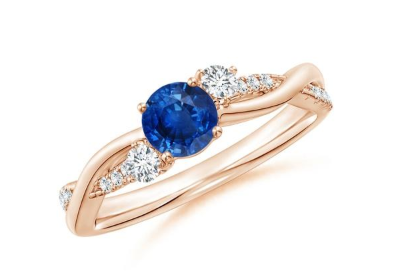
Engastes tipo halo , donde un anillo de pequeños diamantes cultivados en laboratorio rodea el zafiro, añadiendo tamaño y brillo aparentes sin competir con el color central.
Diseños de tres piedras , que combinan el zafiro con dos diamantes laterales, una disposición clásica que se percibe como joyería más "importante", a menudo solicitada para piezas de compromiso.
Halos ocultos y monturas pavé , donde los detalles de diamantes cultivados en laboratorio cumplen una función de apoyo discreta en lugar de llamar la atención.
5. 3. Adapta el estilo de talla a las proporciones del zafiro.
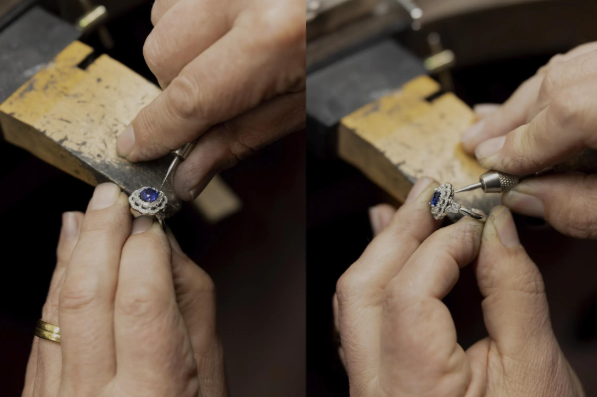
Muchos zafiros de Ceilán, especialmente los más antiguos o con tallas tradicionales, se tallan para conservar el peso en lugar de para maximizar su brillo, lo que puede resultar en un pabellón ligeramente profundo. Un buen engaste personalizado puede compensarlo: un halo bien proporcionado o un bisel ligeramente elevado pueden reflejar más luz en la piedra que un engaste de garras planas. Es importante hablar de esto con su joyero antes de finalizar el engaste, no después.
6. Diseñando el equilibrio perfecto: El marco de selección de materiales
Al encargar engastes de piedras preciosas personalizados , encontrar el equilibrio ideal entre elementos naturales y de laboratorio es una cuestión de preferencias personales, armonía estética y optimización del presupuesto. La siguiente tabla describe tres marcos de diseño populares que le ayudarán a guiar su proceso de personalización:
Desglose del paradigma de diseño
7. Diagrama de flujo para el diseño de joyas con piedras preciosas
A continuación se muestra un flujo de trabajo sencillo que ilustra cómo los diseñadores profesionales crean joyas de zafiro.
Visión del cliente
↓
Zafiro de Ceilán seleccionado
↓
Analizar color / corte / tamaño / calidad
↓
Elige piedras decorativas
(Diamantes naturales / Diamantes cultivados en laboratorio / Gemas de color)
↓
Crea un diseño personalizado de engaste de piedras preciosas.
↓
Diseño CAD y prototipos de joyería
↓
Fabricación e inspección de calidad
↓
Pieza de joyería personalizada final
Este proceso garantiza que todos los elementos funcionen juntos en armonía.
Fórmula de equilibrio de diseño
Un buen diseño de gemas no se trata solo de añadir más brillo, sino de crear armonía visual.
Preguntas frecuentes que recibimos en el estudio.
¿Es incorrecto combinar una piedra central natural con detalles de diamantes cultivados en laboratorio? En absoluto. No existe ninguna norma en la industria que exija uniformidad, y siempre que la pieza se describa con honestidad —un zafiro natural de Ceilán con detalles de diamantes cultivados en laboratorio— se obtiene una joya hermosa y transparente en cuanto a su naturaleza. Muchos de los diseños favoritos de nuestros clientes que hemos creado recientemente utilizan precisamente esta combinación.
¿Cómo puedo saber si mi zafiro es realmente de Sri Lanka? La única forma fiable es un informe de un laboratorio gemológico independiente —GIA, SSEF o Gübelin son los nombres más reconocidos en el sector— que certifique su origen ceilandés basándose en el análisis de oligoelementos e inclusiones.
¿Los diamantes sintéticos se verán diferentes a los naturales junto a mi zafiro? En condiciones normales de observación, no. Los diamantes sintéticos comparten las mismas propiedades ópticas que los diamantes naturales, por lo que los diamantes pequeños se verán idénticos a simple vista. Los factores que los distinguen —su historia de crecimiento y, en el caso de las piedras grandes, el precio— no afectan la apariencia final de la pieza una vez terminada y engastada.
¿Disminuye el valor de un zafiro de Ceilán con un tratamiento térmico? No necesariamente. El tratamiento térmico es una práctica estándar y ampliamente conocida que se utiliza en la gran mayoría de los zafiros que se venden en todo el mundo, y una piedra bien tratada puede seguir siendo una pieza central realmente hermosa. Las piedras sin tratamiento térmico tienen un precio superior, sobre todo las de mayor tamaño, pero existen muchas piezas personalizadas impresionantes elaboradas con zafiros de Ceilán de alta calidad tratados térmicamente, a un precio más accesible.
Reflexiones finales
No existe ninguna regla que diga que una gema natural deba estar rodeada únicamente de otras piedras naturales, ni que los diamantes cultivados en laboratorio no puedan estar junto a algo que tardó quinientos millones de años en formarse. Lo que realmente importa es si la combinación se elige deliberadamente: un auténtico zafiro de Ceilán seleccionado por su color y procedencia, engastado con diamantes cultivados en laboratorio elegidos por su uniformidad y valor, en un engaste diseñado pensando en cómo se lucirá y apreciará la pieza durante décadas. Esa es la idea principal detrás de combinar gemas de Ceilán con materiales modernos: honrar lo que hace que una gema natural de Ceilán sea única, a la vez que se actúa con inteligencia y transparencia en todo lo que la rodea.
Si estás pensando en una pieza personalizada o quieres saber más sobre nosotros, estaremos encantados de hablar contigo. Ponte en contacto con nuestro equipo aquí .
Referencias
Instituto Gemológico de América (GIA) — gia.edu
GIA, "Más información sobre diamantes cultivados en laboratorio" — 4cs.gia.edu
GIA, "Diamantes cultivados en laboratorio: Actualización sobre identificación y productos evaluados en GIA", Gems & Gemology , verano de 2024 — gia.edu/gems-gemology
Sotheby's, "Zafiros de Ceilán: una guía detallada para coleccionistas y aficionados" — sothebys.com
Junta de Desarrollo de Exportaciones de Sri Lanka, "Zafiro de Ceilán: zafiros de Sri Lanka" — srilankabusiness.com