محتوى المقال
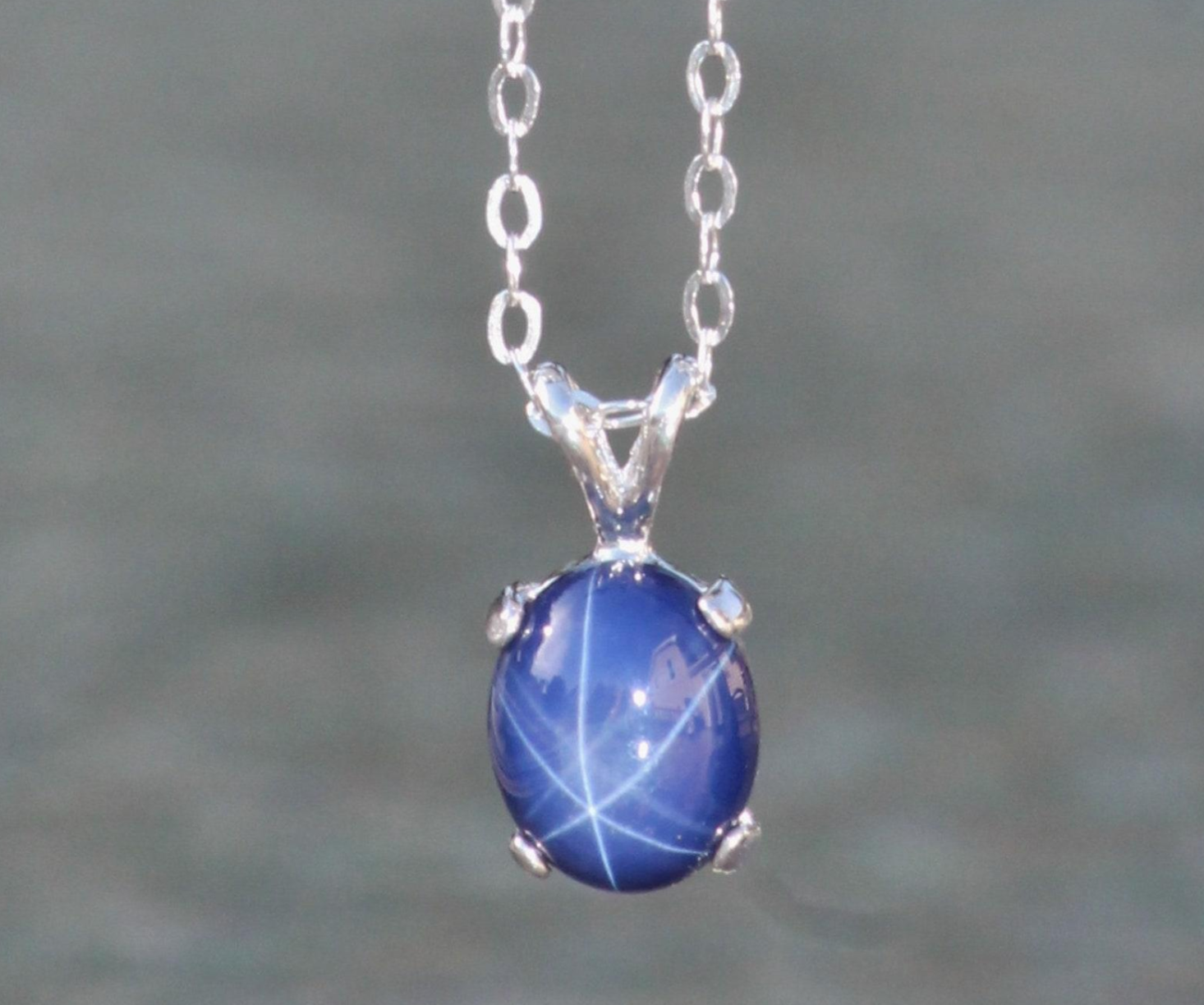
اسأل أي خبير أحجار كريمة عن مصدر أفضل أنواع الياقوت الأزرق في العالم، وسيكون اسم سريلانكا أول ما يتبادر إلى ذهنه. هذه الدولة الجزيرة الصغيرة، التي كانت تُعرف سابقًا باسم سيلان، تستخرج الياقوت - والأكثر إثارة للدهشة، الياقوت النجمي - من تربتها منذ أكثر من ألفي عام. ما سرّ هذه البقعة من الأرض التي لا تزال تُنتج أحجارًا كريمة يتوق إليها هواة الجمع والملوك على حد سواء؟ يكمن الجواب في صخور الجزيرة القديمة، وهي قصة شيقة حقًا عند التعمق فيها (وهذا ليس مجرد تورية). فيما يلي، سنستعرض أسباب شهرة سريلانكا، والتركيب الجيولوجي الذي يقف وراءها، وما الذي يجعل الياقوت النجمي "نجميًا"، وقيمة هذه الأحجار في السوق اليوم، وكيفية ارتدائها لتتألق وكأنها صُنعت خصيصًا لك.
1. لماذا تشتهر سريلانكا بإنتاج الياقوت الاستثنائي؟
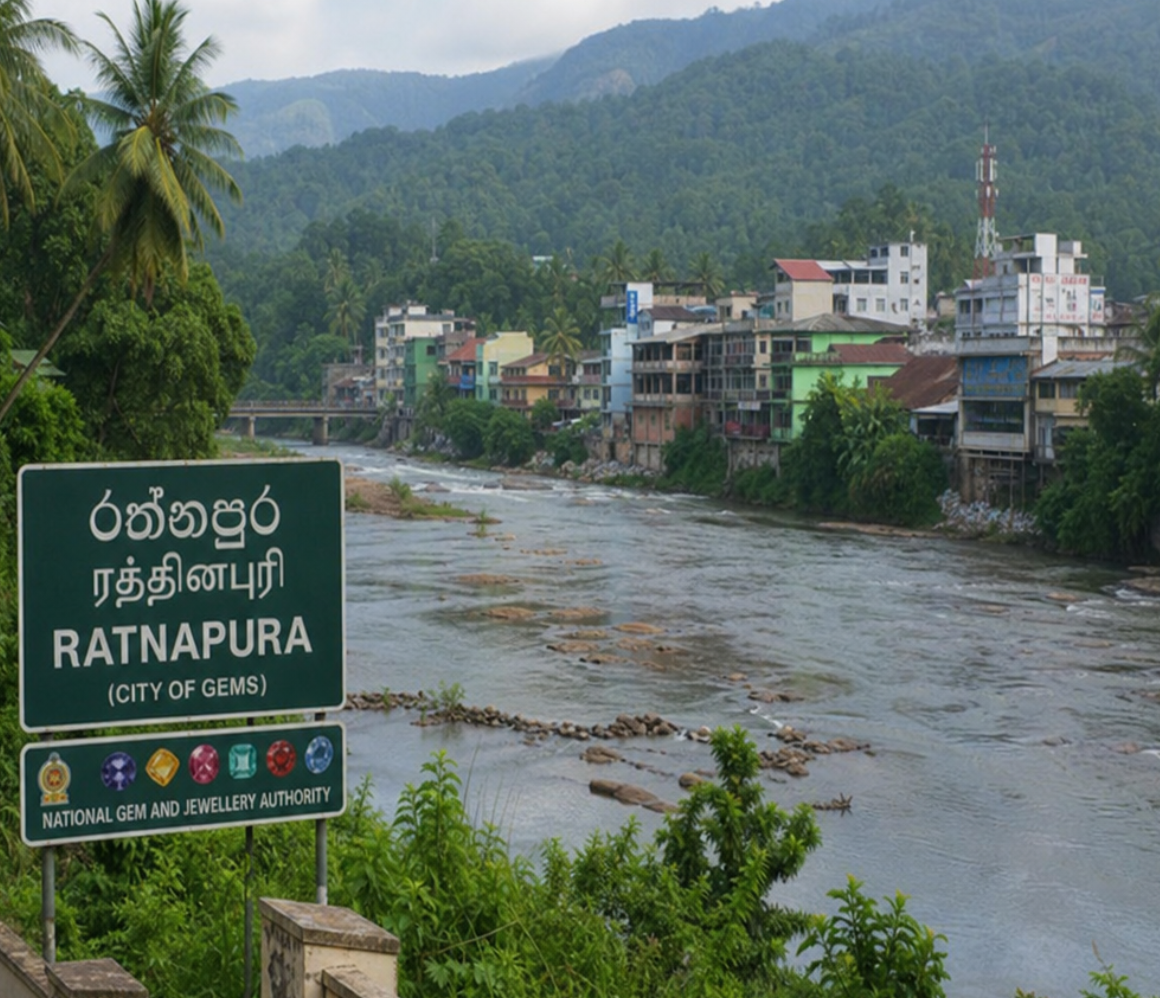
تُعدّ سريلانكا مركزًا لاستخراج الأحجار الكريمة منذ عام 500 قبل الميلاد على الأقل، وبحلول الوقت الذي مرّ فيه ماركو بولو بالمنطقة، كانت سمعة الجزيرة كمركز رئيسي لإنتاج الأحجار الكريمة راسخة بالفعل. وتُعتبر منطقة راتنابورا في الجنوب الغربي - والتي يعني اسمها حرفيًا "مدينة الأحجار الكريمة" - قلب هذه التجارة منذ قرون، ولا تزال حتى اليوم المصدر الرئيسي للياقوت الأزرق الفاخر في البلاد.
ما يُميّز ياقوت سيلان ليس تاريخه فحسب، بل ثبات جودته وتنوّع ألوانه. تُنتج سريلانكا الياقوت بجميع ألوان الكوراندوم تقريبًا، بدءًا من الأزرق السماوي الكلاسيكي والأزرق الملكي، وصولًا إلى الوردي والأصفر والأرجواني والأخضر، فضلًا عن ياقوت بادبارادشا النادر ذي اللون الوردي البرتقالي. ووفقًا لدار سوذبيز ، تُنتج منطقة راتنابورا الغنية بالأحجار الكريمة في سريلانكا الياقوت منذ أكثر من 3000 عام، وهو إرثٌ مرتبط بتكوينات الصخور التي تعود إلى ما قبل العصر الكمبري في الجزيرة، والتي تُعدّ من أقدم التكوينات الصخرية على وجه الأرض. هذا ليس مجرد كلام تسويقي، بل هو السبب الجيولوجي الحقيقي وراء مظهر هذه الأحجار، وهو ما يقودنا إلى الجانب العلمي.
الخصائص الفريدة للياقوت السيلاني
من أهم مزايا سريلانكا قدرتها على إنتاج أحجار الياقوت الكبيرة ذات الجودة العالية . وتُعدّ الأحجار الاستثنائية التي يزيد وزنها عن 100 قيراط نادرة للغاية وذات قيمة عالية لدى هواة جمع الأحجار الكريمة.
من أشهر أنواع الياقوت السريلانكي:
ياقوتة "الجميلة الزرقاء" الآسيوية - واحدة من أكبر وأشهر أحجار الياقوت الأزرق التي تم اكتشافها على الإطلاق.
ياقوتة لوجان - معروضة حاليًا في مؤسسة سميثسونيان.
2. الجانب العلمي: لماذا تحدث هذه الظاهرة هنا؟ (الجيولوجيا)
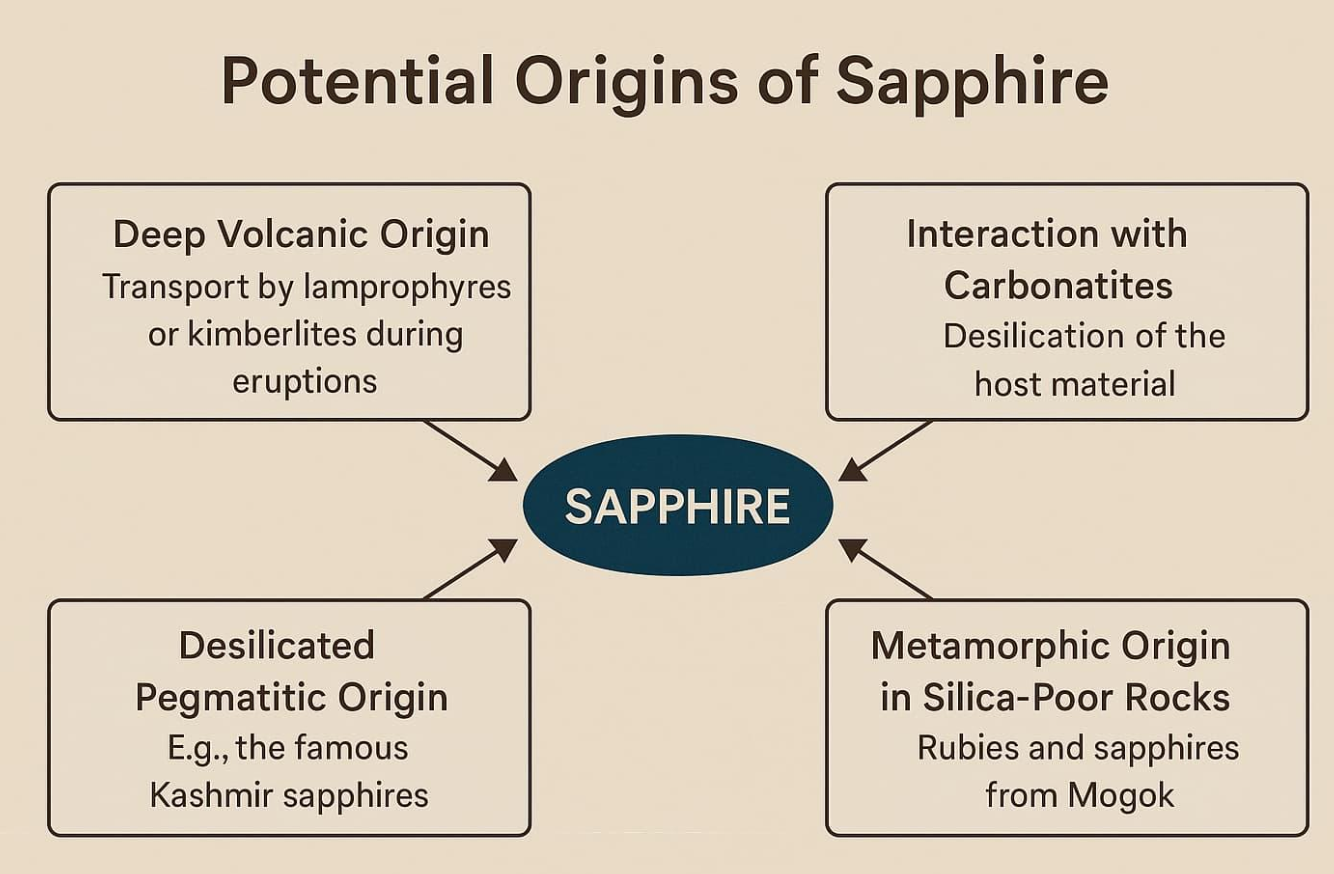
يكمن سر الياقوت الاستثنائي في سريلانكا في أعماق الأرض.
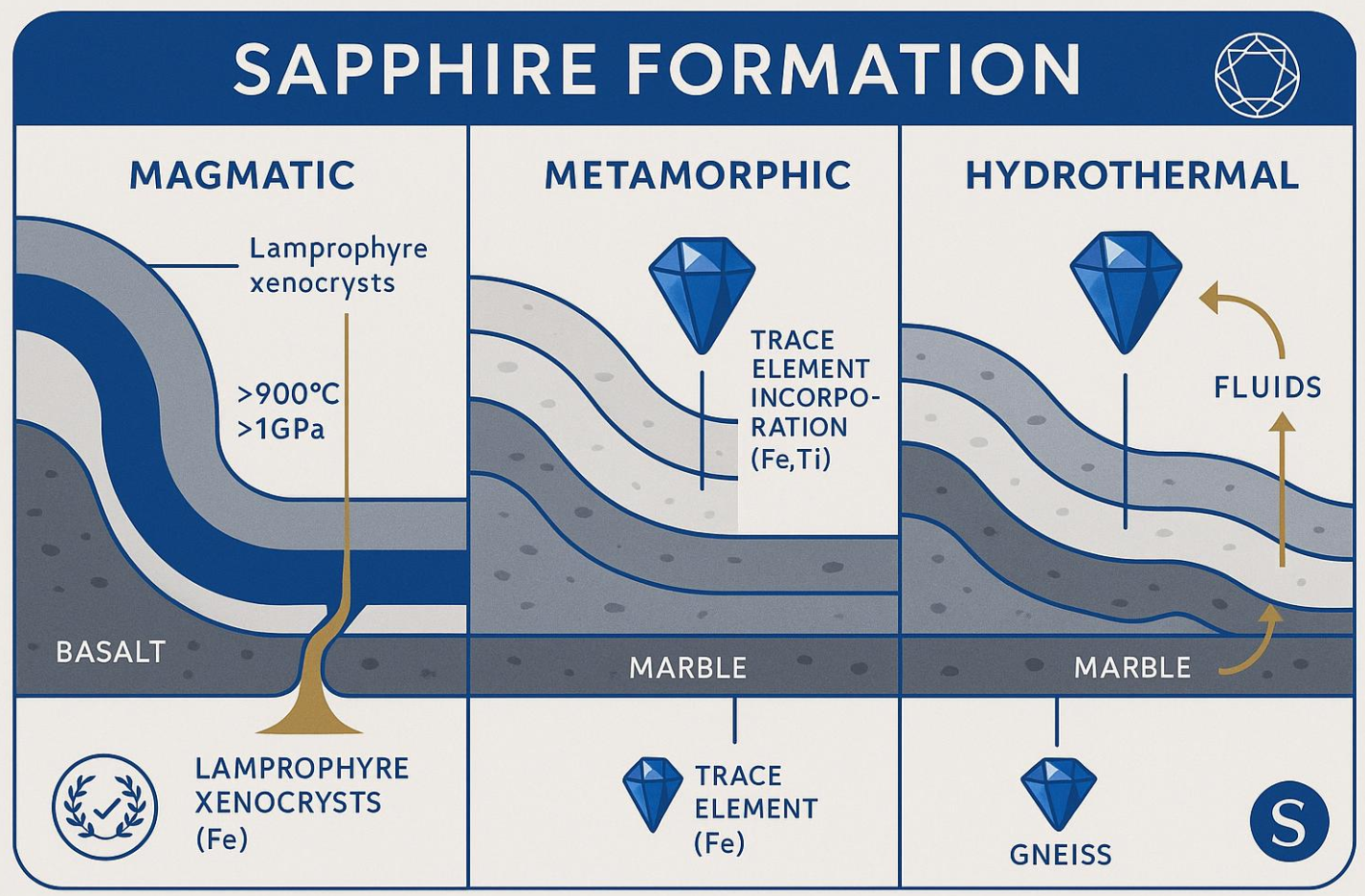
ينتمي الياقوت إلى عائلة معادن الكوروندوم ، التي تتكون من أكسيد الألومنيوم (Al₂O₃). الكوروندوم النقي عديم اللون، لكن العناصر النزرة تُضفي عليه ألوانًا مختلفة.
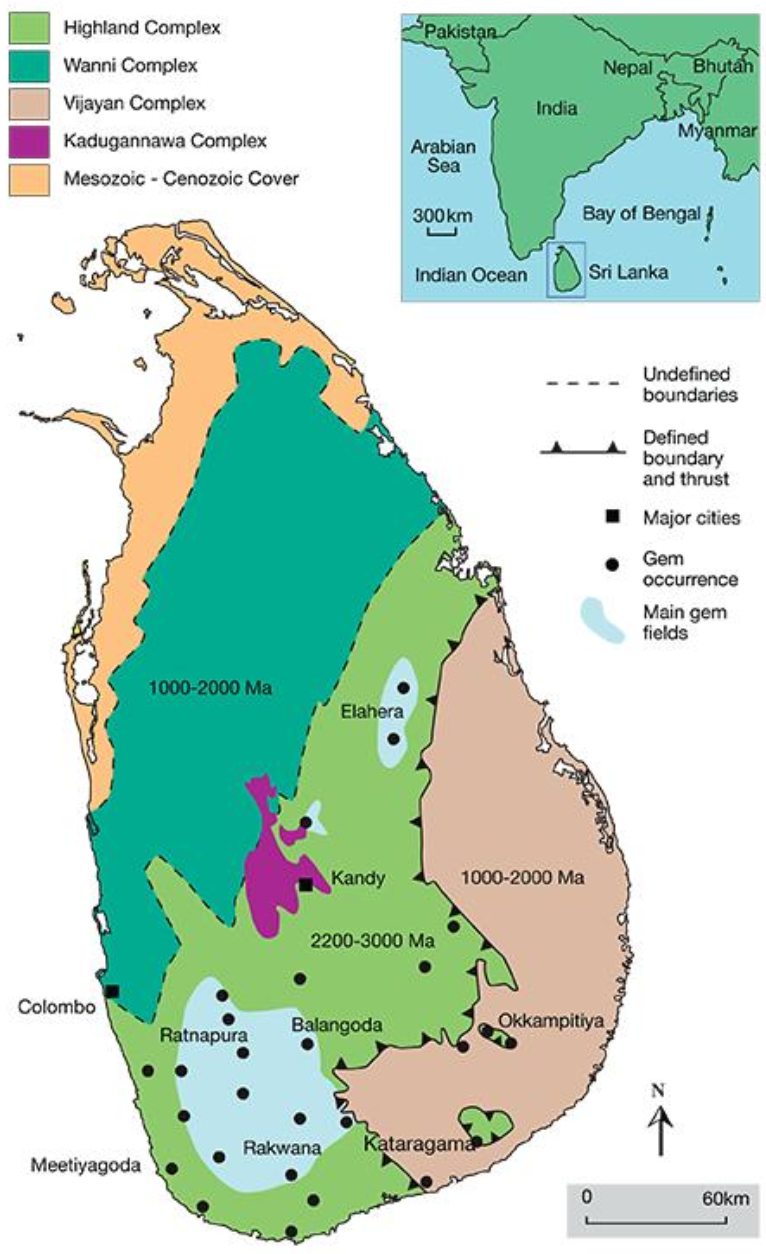
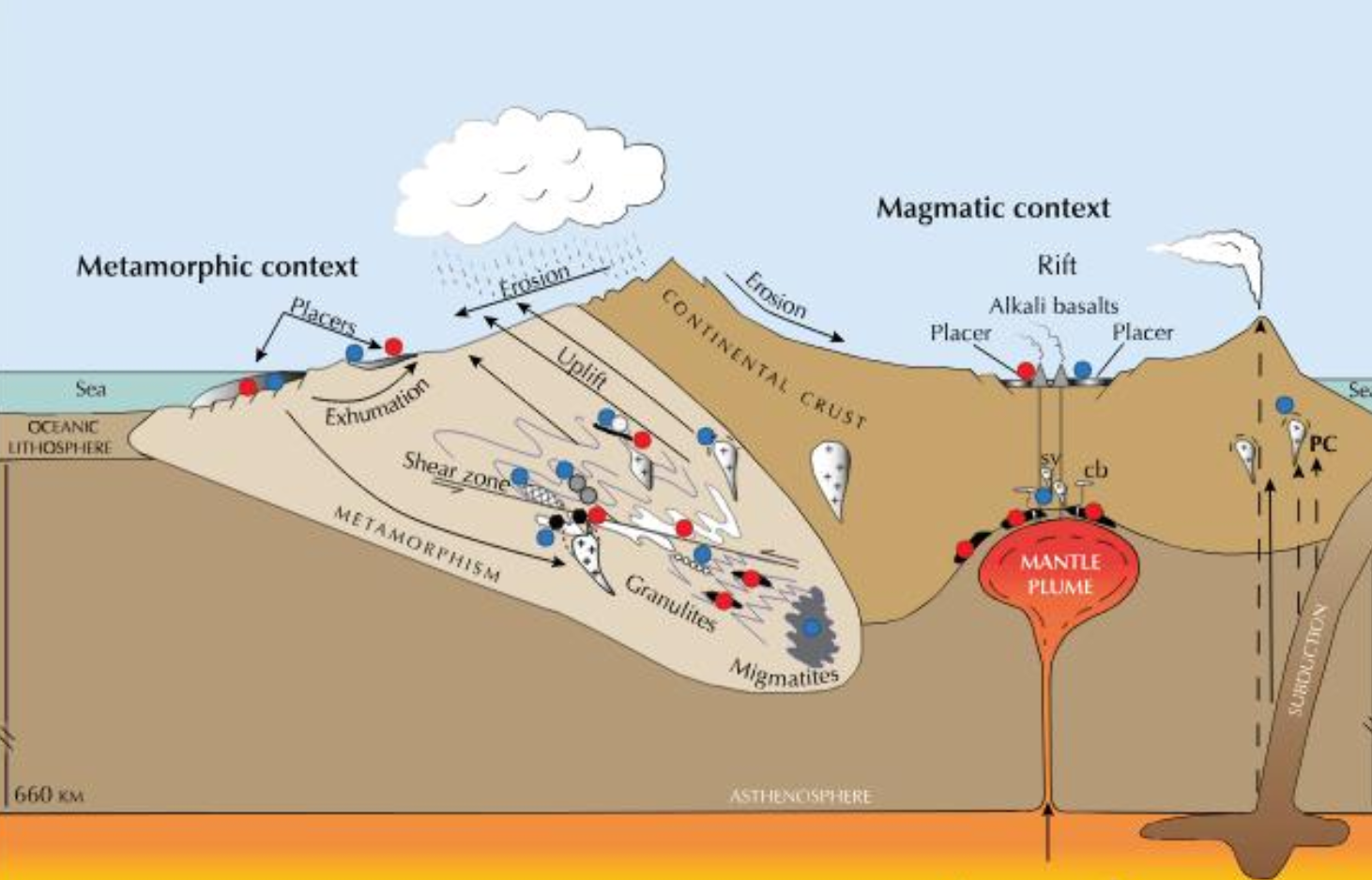
تشكلت أحجار الياقوت السريلانكية منذ ملايين السنين خلال أحداث التحول عالية الدرجة عندما تعرضت الصخور القديمة لحرارة وضغط شديدين.
تحتوي المناطق الغنية بالأحجار الكريمة حول راتنابورا على رواسب طميية ، مما يعني أن الأحجار الكريمة قد تم إطلاقها بشكل طبيعي من صخورها المضيفة الأصلية ونقلها بواسطة الأنهار على مر الزمن الجيولوجي.
سير عمل تكوين الياقوت
تشكيل صخري قديم
↓
حرارة وضغط شديدان
↓
تكوين بلورات الكوروندوم
↓
التجوية والتعرية الطبيعية
↓
النقل النهري
↓
رواسب الحصى والأحجار الكريمة
↓
التعدين التقليدي
↓
القطع والتلميع
↓
ياقوت سريلانكي طبيعي معتمد
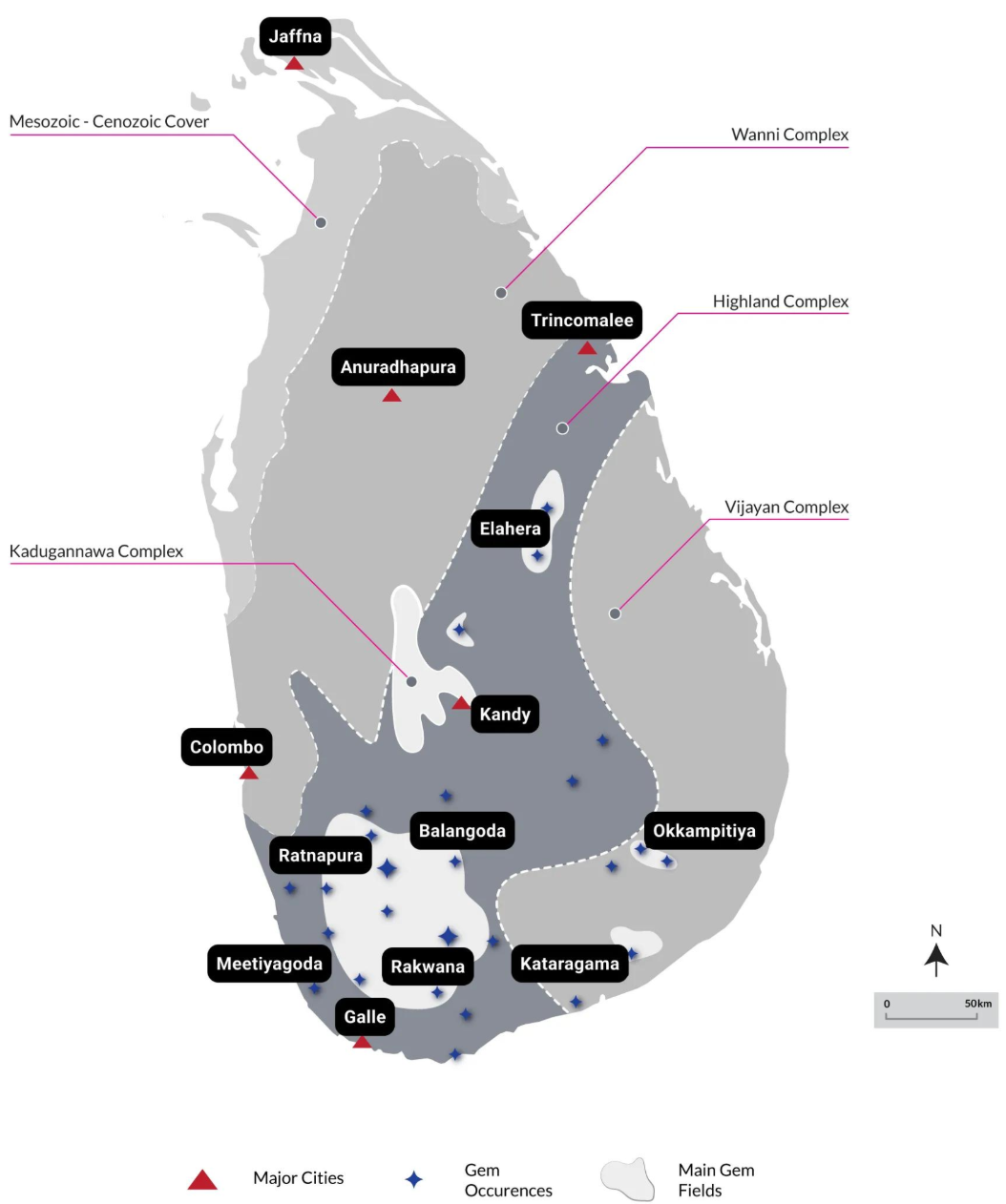
تُهيئ البيئة الجيولوجية في سريلانكا ظروفًا مثالية لإنتاج الياقوت ذي الشفافية العالية والتركيبات البلورية الجميلة
3. الياقوت النجمي: ظاهرة التجمع النجمي (تأثير النجوم)
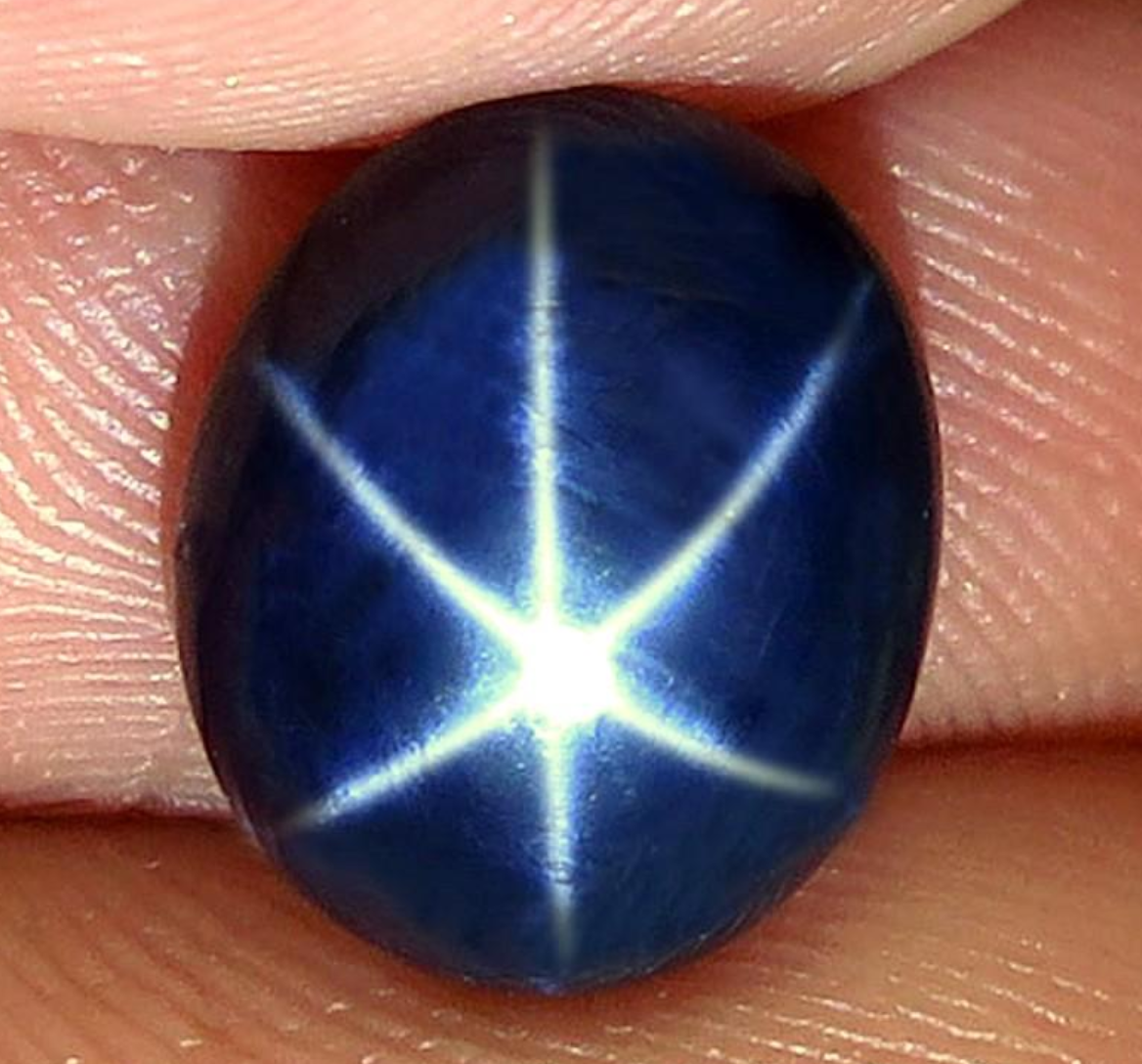
من بين جميع أنواع الياقوت، يعتبر الياقوت النجمي من أكثرها إثارة للإعجاب.
على عكس الياقوت الأزرق المصقول، عادة ما يتم صقل الياقوت النجمي إلى أشكال كابوشون ناعمة لأن قيمته تأتي من ظاهرة بصرية فريدة تسمى النجمية .
ما الذي يُحدث تأثير النجمة الياقوتية؟
يتم تكوين المظهر النجمي بواسطة شوائب مجهرية تشبه الإبر، تتكون أساسًا من الروتيل (ثاني أكسيد التيتانيوم) ، داخل بلورة الياقوت.
عندما يتفاعل الضوء مع هذه الشوائب المتراصة، فإنه يخلق نجمًا سداسي الأشعة عائمًا يتحرك عبر سطح الأحجار الكريمة.
تتطلب هذه الظاهرة ما يلي:
كريستال الياقوت الطبيعي عالي الجودة
التوجيه الصحيح أثناء القطع
شوائب الروتيل المناسبة
حرفية ماهرة
أنواع الياقوت النجمي السريلانكي
تحظى أحجار الياقوت النجمي السريلانكية بتقدير خاص لأنها غالباً ما تُظهر ما يلي:
حركة النجم الحاد
لون جسم جذاب
شفافية عالية
أحجام قيراط كبيرة
بالنسبة لهواة جمع الأحجار الكريمة الذين يتطلعون إلى شراء الياقوت النجمي الطبيعي ، فإن الأصل وجودة اللون ووضوح النجمة والشهادة عوامل أساسية.
تتميز سريلانكا بكونها تنتج أحجار الياقوت النجمي بألوان متنوعة حقيقية، وليس فقط اللون الأزرق المتوقع:
4. التسعير: كم تبلغ تكلفة الياقوت السريلانكي؟
هذا هو السؤال الذي يرغب الجميع في معرفة إجابته، والإجابة الصادقة هي: يعتمد الأمر بشكل كبير على اللون والصفاء والمعالجة والحجم - ربما أكثر من أي حجر كريم آخر في السوق. ولكن هناك معايير مفيدة.
الياقوت الأزرق المصقول: يُباع الياقوت الأزرق عالي الجودة بوزن قيراط واحد عادةً بسعر يتراوح بين 450 و1600 دولار أمريكي للقيراط، بينما قد يتجاوز سعر الأحجار غير المعالجة حرارياً ذات الجودة الاستثمارية، والتي تتميز بلون "الملكي" أو "زهرة الذرة" الرائع، 11000 دولار أمريكي للقيراط. أما الأحجار التجارية ذات الجودة العالية، فيتراوح سعرها بين 100 و400 دولار أمريكي للقيراط.
الياقوت النجمي: يختلف تسعيره قليلاً، إذ أن معايير الاعتماد والتصنيف أقل توحيداً من الأحجار المصقولة. وتعتمد قيمته بشكل أساسي على مدى وضوح النجمة وتمركزها وحركتها، بالإضافة إلى لونها وحجمها. نادراً ما يُعالج الياقوت النجمي حرارياً (لأن الحرارة تُتلف الطبقة الخارجية)، لذا فإن "العلاوة غير المُعالجة" التي تُحدد سعر الياقوت المصقول لا تنطبق عليه بنفس الطريقة - فالمشترون يدفعون مقابل الأداء البصري للنجمة نفسها.
ملاحظة: هذه نطاقات مرجعية عامة للسوق، وليست تقييمات. تظل الشهادة من مختبر معترف به (GIA، GRS، Gübelin، SSEF) العامل الأهم في تأكيد المنشأ، وحالة المعالجة، وفي النهاية، القيمة.
لطالما حظيت أحجار الياقوت السريلانكية بالحب لأجيال عديدة لأنها تجمع بين الجمال والمتانة والرمزية.
بفضل صلابته التي تبلغ 9 على مقياس موس ، يعتبر الياقوت أحد أقوى الأحجار الكريمة بعد الماس، مما يجعله مناسبًا للمجوهرات التي تُرتدى يوميًا.
المرجع: مقياس موس للصلابة، معلومات جمعية الأحجار الكريمة
تصاميم المجوهرات الرائجة
1. خواتم خطوبة من الياقوت الأزرق
يُشكّل الياقوت الأزرق السيلاني الكلاسيكي بديلاً أنيقاً لخواتم الألماس التقليدية.
الأنماط الشائعة:
ياقوت أزرق بيضاوي الشكل محاط بهالة من الماس
ياقوت أزرق ملكي بقصة الوسادة
خواتم من الياقوت مستوحاة من الطراز القديم
2. مجوهرات الياقوت النجمي المميزة
يُعد الياقوت النجمي مثالياً لـ:
حلقات الكوكتيل
قلادات لهواة الجمع
قطع مجوهرات مصممة حسب الطلب
لأن كل حجر من الياقوت النجمي له نمط بصري فريد، فلا يوجد حجران متطابقان تمامًا.
3. قطع استثمارية وقطع لهواة الجمع
تزداد رغبة هواة جمع الأحجار الكريمة في اقتناء أحجار الياقوت الطبيعية الكبيرة، وخاصة الأحجار غير المعالجة التي يزيد وزنها عن 10 قراريط.
كيف تختار ياقوتة سريلانكية طبيعية؟
قبل شراء الياقوت، ضع في اعتبارك ما يلي:
✅ تأكد من المنشأ الطبيعي ✅ تحقق من شهادة المختبر ✅ افهم المعالجات ✅ قيّم جودة اللون ✅ شاهد فيديوهات الأحجار الكريمة تحت إضاءات مختلفة ✅ اشترِ من مورد موثوق به لديه علاقات توريد مباشرة
الخاتمة: جمال الياقوت السيلاني الخالد
إن أحجار الياقوت السريلانكية أكثر من مجرد أحجار كريمة جميلة - فهي تمثل ملايين السنين من التاريخ الجيولوجي، والحرفية التقليدية، وواحدة من أقدم ثقافات الأحجار الكريمة في العالم.
من الحركة الساحرة للياقوت النجمي إلى اللون الأزرق الذي لا يُنسى للياقوت السيلاني الفاخر، تستمر هذه الأحجار الكريمة في أسر خيال هواة جمع المجوهرات ومحبيها في جميع أنحاء العالم.
إذا كنت تبحث عن شراء الياقوت النجمي الطبيعي، أو الياقوت السريلانكي الفاخر، أو الأحجار الكريمة الكبيرة لهواة الجمع ، فإن Oria Gems يمكنها مساعدتك في الحصول على أحجار سيلان الكريمة الأصلية مباشرة من المنشأ.
مراجع
معهد الأحجار الكريمة الأمريكي (GIA) - سريلانكا: من المنجم إلى السوق
معهد الأحجار الكريمة الأمريكي (GIA) - عوامل جودة الياقوت
معهد الأحجار الكريمة وعلم الأحجار الكريمة - شوائب الياقوت مع "حرير" الروتيل في ياقوت نجمي بورمي
Mindat.org — حصى الأحجار الكريمة، مقاطعة راتنابورا
ويكيبيديا — النجمية (علم الأحجار الكريمة)
ياقوت سيلان الخام - ياقوت سيلان: دليل 2026 للقيمة والتعريف