Article Content
What is Ceylon Sapphire?
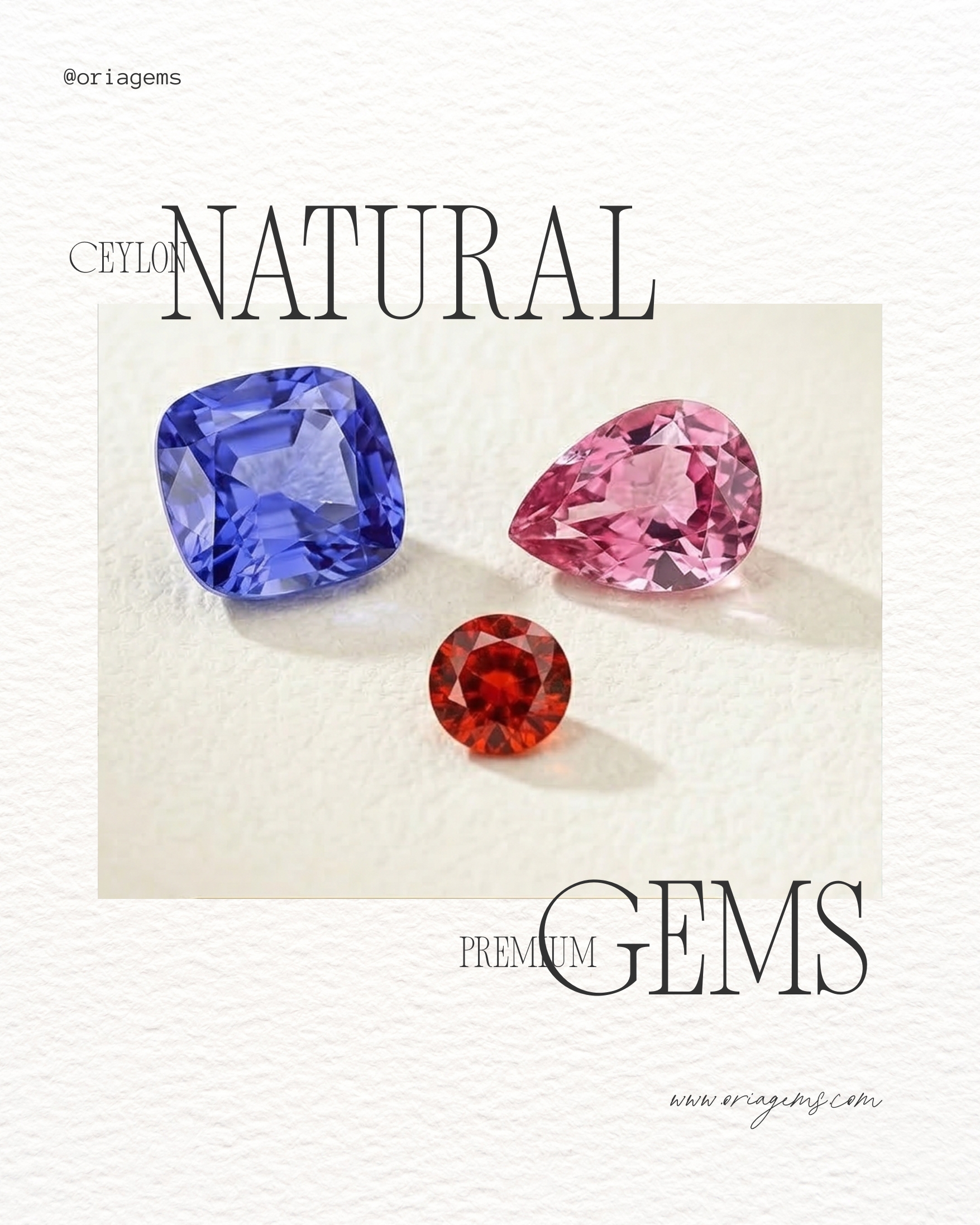
For centuries, the name "Ceylon" has been synonymous with the world’s most breathtaking gemstones. While the island nation is now known as Sri Lanka, its sapphires retain the "Ceylon" title as a prestigious mark of quality, brilliance, and a history that stretches back to the time of King Solomon.
Whether you are an aspiring collector, a couple searching for an ethical engagement ring, or an investor looking for "portable wealth," the Ceylon sapphire offers a blend of beauty and value that is hard to match.
What is Ceylon Sapphire?
Definition and Origin
A Ceylon sapphire is a variety of the mineral corundum sourced specifically from the island of Sri Lanka. While sapphires come in nearly every color of the rainbow (except red, which is a ruby), the term "Ceylon" is most famously attached to the vibrant blue stones that have made the region a global hub for gemology.
Key Characteristics
What sets these stones apart in a crowded market?
l Lustre and Brilliance: Ceylon stones are known for a high "refractive index," meaning they sparkle intensely even in low light.
l Color Evenness: They often exhibit better color distribution than sapphires from other regions.
l Clarity: While all natural gems have "fingerprints" of nature (inclusions), Ceylon sapphires are celebrated for being remarkably "clean" to the naked eye.
The Allure of Ceylon Blue Sapphire
Hue and Quality
The "gold standard" for a Ceylon blue sapphire is the Cornflower Blue—a medium-light tone that looks electric. You will also find the deeper, more velvety Royal Blue, which carries a sense of regal authority (famously seen on the hand of the Princess of Wales).
Comparison with Other Sapphires
Feature | Ceylon Sapphire | Kashmir Sapphire | Australian Sapphire |
Primary Color | Vibrant, luminous blue | Velvety, "sleepy" blue | Dark, often "inky" blue |
Availability | Available but rare in high grades | Extremely rare (mines exhausted) | Plentiful |
Value | High (Premium) | Highest (Collector's Item) | Moderate (Affordable) |
Ceylon Sapphire and Sri Lanka
Historical Significance
Sri Lanka is often called Ratna Dweepa, or "The Island of Jewels." Marco Polo wrote in the 13th century that the island produced the best sapphires in the world. This isn't just marketing fluff; the geological conditions in Sri Lanka—metamorphic rock rich in aluminum and oxygen—created a "perfect storm" for gemstone growth millions of years ago.
Mining Regions in Sri Lanka
The heart of the industry is Ratnapura, aptly named the "City of Gems." Most mining here remains artisanal and small-scale. This traditional approach is often more environmentally friendly than large-scale open-pit mining found elsewhere, contributing to the "ethical" appeal of Ceylon stones.
Choosing the Perfect Ceylon Sapphire Ring
Setting Styles
l The Classic Halo: Surrounding a blue sapphire with a "halo" of diamonds accentuates its color.
l Vintage Milgrain: Perfect for highlighting the historical "old world" charm of the stone.
l Three-Stone (Trilogy): Symbolizing the past, present, and future—a popular choice for engagement rings.
Size and Shape Options
Ceylon sapphires are often cut into Ovals or Cushions. Why? These shapes follow the natural "rough" crystal form, allowing the lapidary (gem cutter) to preserve the maximum weight and color saturation of the stone.
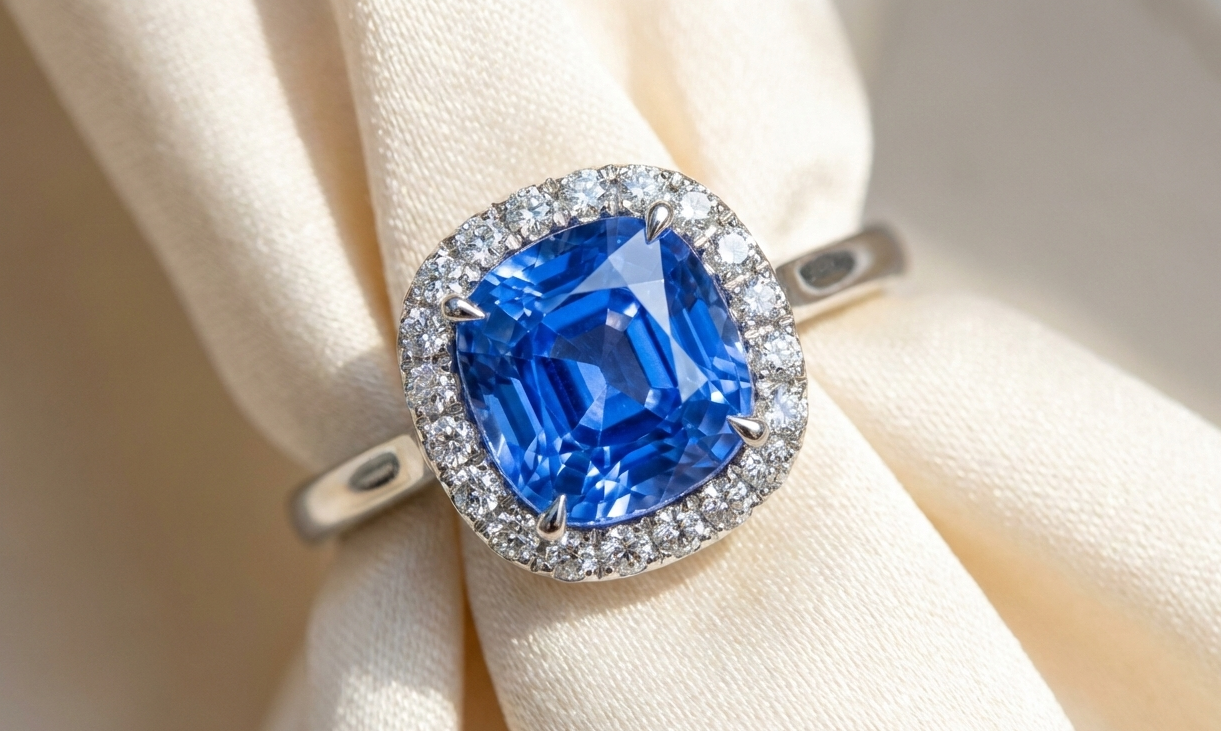
cornflower blue hue
Tips for Buyers
Pro Tip: Always ask for a lab certificate from a reputable body like the GIA, GRS, or SSEF. This confirms if the stone is "unheated." Unheated Ceylon sapphires are significantly more valuable because their color is 100% natural.
Investment Potential of Ceylon Sapphires
Value Appreciation
As the world’s supply of high-quality, unheated gemstones diminishes, prices for top-tier Ceylon sapphires continue to climb. In the last decade, fine blue sapphires have consistently outperformed many traditional stock portfolios.
Market Trends
In 2026, the market is seeing a massive surge in demand for Padparadscha Sapphires—a rare pink-orange variety found almost exclusively in Sri Lanka. Additionally, "traceability" is the new luxury; buyers want to know exactly which mine their stone came from.
Caring for Your Ceylon Sapphire
Maintenance Tips
Sapphires are incredibly durable, scoring a 9 on the Mohs scale (second only to diamonds). To keep them sparkling:
l Soak in warm, soapy water (use mild dish soap).
l Gently scrub with a soft-bristled toothbrush.
l Rinse and pat dry with a lint-free cloth.
Common Myths Debunked
l Myth: "All blue sapphires are heat-treated."
Reality: While heat treatment is common to enhance color, the most prized Ceylon stones are completely "no-heat."
l Myth: "Sapphires are unbreakable."
Reality: While hard, they can still chip if hit at the right angle against a hard surface. Treat them with the respect a 100-million-year-old treasure deserves!
Reference:
Sotheby’s: Ceylon Sapphires: A Detailed Guide for Collectors and Enthusiasts https://www.sothebys.com/en/articles/ceylon-sapphires-a-detailed-guide-for-collectors-and-enthusiasts
(Source for: Historical significance, "Cornflower" vs. "Royal Blue," and auction/investment data.)
Sri Lanka Export Development Board: Ceylon Sapphires - Blue Sapphire and Padparadscha https://www.srilankabusiness.com/gem-diamond-and-jewellery/about-sri-lanka-gems/ceylon-sapphire.html
(Source for: Official regional mining data, "Ratna Dweepa" history, and technical variety descriptions.)
GIA (Gemological Institute of America): Sapphire Quality Factors https://www.gia.edu/sapphire/quality-factors
(Source for: Hardness (Mohs scale), clarity standards, and professional care/maintenance tips.)
Larsen Jewellery: Ceylon Sapphires: A Guide From a Jeweller https://www.larsenjewellery.com.au/blog/ceylon-sapphires
(Source for: Choosing ring settings, comparison with other sapphires, and artisanal mining practices.)
Ceylons Munich: Global Sapphire Market Analysis & Investment Guide https://www.ceylons.de/blog-en/global-sapphire-market-analysis-investment-guide
(Source for: 2025-2026 market trends, price appreciation, and traceability/ethical sourcing.)