正文内容
探索迷人的锡兰蓝宝石:宝石爱好者的天堂
探索锡兰蓝宝石(Ceylon Sapphire)的魅力、产地及其独特品质。了解如何为您收藏或投资挑选最完美的珍宝!
什么是锡兰蓝宝石?
几个世纪以来,“锡兰”这一名字一直是世界上最令人屏息的宝石的代名词。虽然这个岛国现在被称为斯里兰卡,但其出产的蓝宝石仍沿用“锡兰”这一称号,作为高品质、高火彩以及远溯至所罗门王时期悠久历史的声望象征。
无论您是初入门的收藏家、寻找高伦理标准订婚戒指的新人,还是寻求“动产财富”的投资者,锡兰蓝宝石都能提供难以企及的美感与价值。
定义与产地
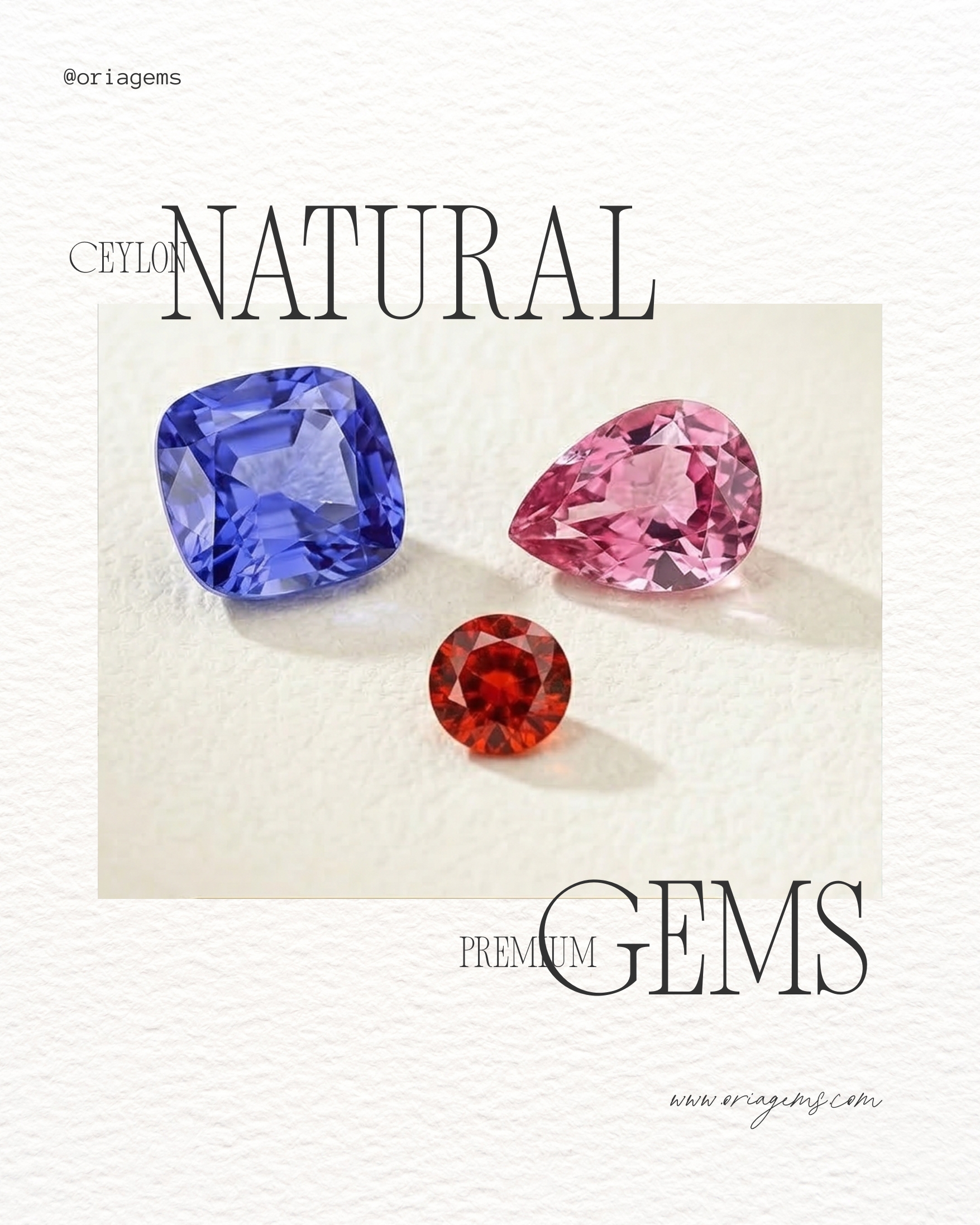
锡兰蓝宝石是指产自斯里兰卡岛的刚玉(Corundum)家族宝石。虽然蓝宝石几乎涵盖了彩虹的所有颜色(红色除外,红色被称为红宝石),但“锡兰”一词最著名的关联仍是那些充满活力的蓝色原石,这使得该地区成为全球宝石学的核心。
核心特征
在竞争激烈的宝石市场中,是什么让这些宝石脱颖而出?
光泽与火彩:锡兰宝石以高折射率著称,这意味着即使在微弱的光线下也能闪烁出强烈的火彩。
颜色均匀度:与其他产区的蓝宝石相比,锡兰蓝宝石通常表现出更优异的颜色分布。
净度:尽管所有天然宝石都带有大自然的“指纹”(内含物),但锡兰蓝宝石以肉眼观察极其“干净(Eye-clean)”而闻名。
锡兰蓝宝石的魅力
色调与品质
锡兰蓝宝石的“金科玉律”是矢车菊蓝(Cornflower Blue)——这是一种中等偏浅、带有电光感的蓝色。此外,您还会发现深邃且具有丝绒感的皇家蓝(Royal Blue),它自带一种尊贵威严的气场(著名的威尔士王妃戴安娜/凯特的婚戒便以此闻名)。
产地横向测评
特征 | 锡兰蓝宝石 (Ceylon) | 克什米尔蓝宝石 (Kashmir) | 澳洲蓝宝石 (Australian) |
主色调 | 鲜艳、明亮的蓝色 | 丝绒感、“朦胧”蓝 | 深色、通常呈“墨”蓝色 |
供应量 | 市场可见,高品质极稀有 | 极其罕见(矿区已绝产) | 供应充足 |
价值 | 高(溢价) | 最高(顶级收藏品) | 中等(性价比高) |
锡兰蓝宝石与斯里兰卡
历史意义
斯里兰卡常被称为 Ratna Dweepa,意为“宝石之岛”。13世纪,马可·波罗曾记载该岛产出世界上最好的蓝宝石。这并非营销噱头;斯里兰卡特殊的地质条件——富含铝和氧的变质岩,在数百万年前为宝石的生长创造了“完美风暴”。
矿区分布
行业的中心位于拉特纳普勒(Ratnapura),其名意为“宝石之城”。这里的采矿大多保持着手工作业和小规模经营。这种传统方式比其他地区的大规模露天开采更环保,也提升了锡兰宝石在“伦理及可持续性”方面的吸引力。
如何挑选完美的锡兰蓝宝石戒指
镶嵌款式
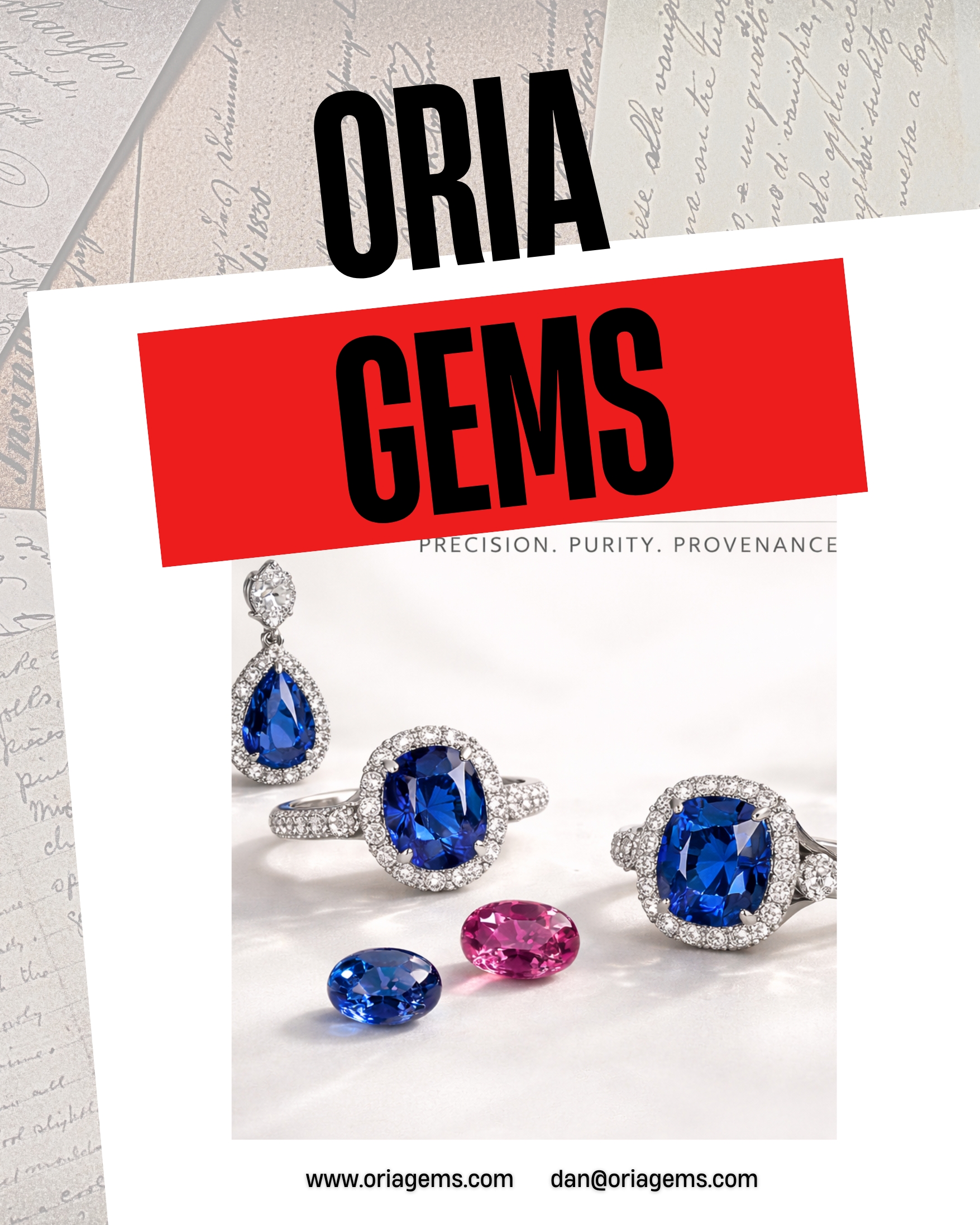
l 经典围镶(The Classic Halo): 在蓝宝石周围环绕一圈钻石,能极大地凸显其中央主石的色彩。
l 复古珠边(Vintage Milgrain): 完美衬托宝石历史悠久的“旧世界”魅力。
l 三石款(Trilogy): 象征过去、现在与未来,是订婚戒指的热门选择。
切工与形状
锡兰蓝宝石多被切磨成椭圆形(Oval)或枕型(Cushion)。这是因为这些形状契合原石的自然生长形态,使切磨师(Lapidary)能最大程度地保留重量和色饱和度。
买家建议: 务必索取由 GIA、GRS 或 SSEF 等权威机构出具的鉴定证书。确认宝石是否为“无烧(Unheated)”。未经加热优化的锡兰蓝宝石因其颜色100%纯天然,价值要显著高于经过热处理的宝石。
投资潜力
价值增长
随着全球高品质、无烧宝石供应量的减少,顶级锡兰蓝宝石的价格持续攀升。在过去十年中,优质蓝宝石的表现始终优于许多传统股票投资组合。
市场趋势
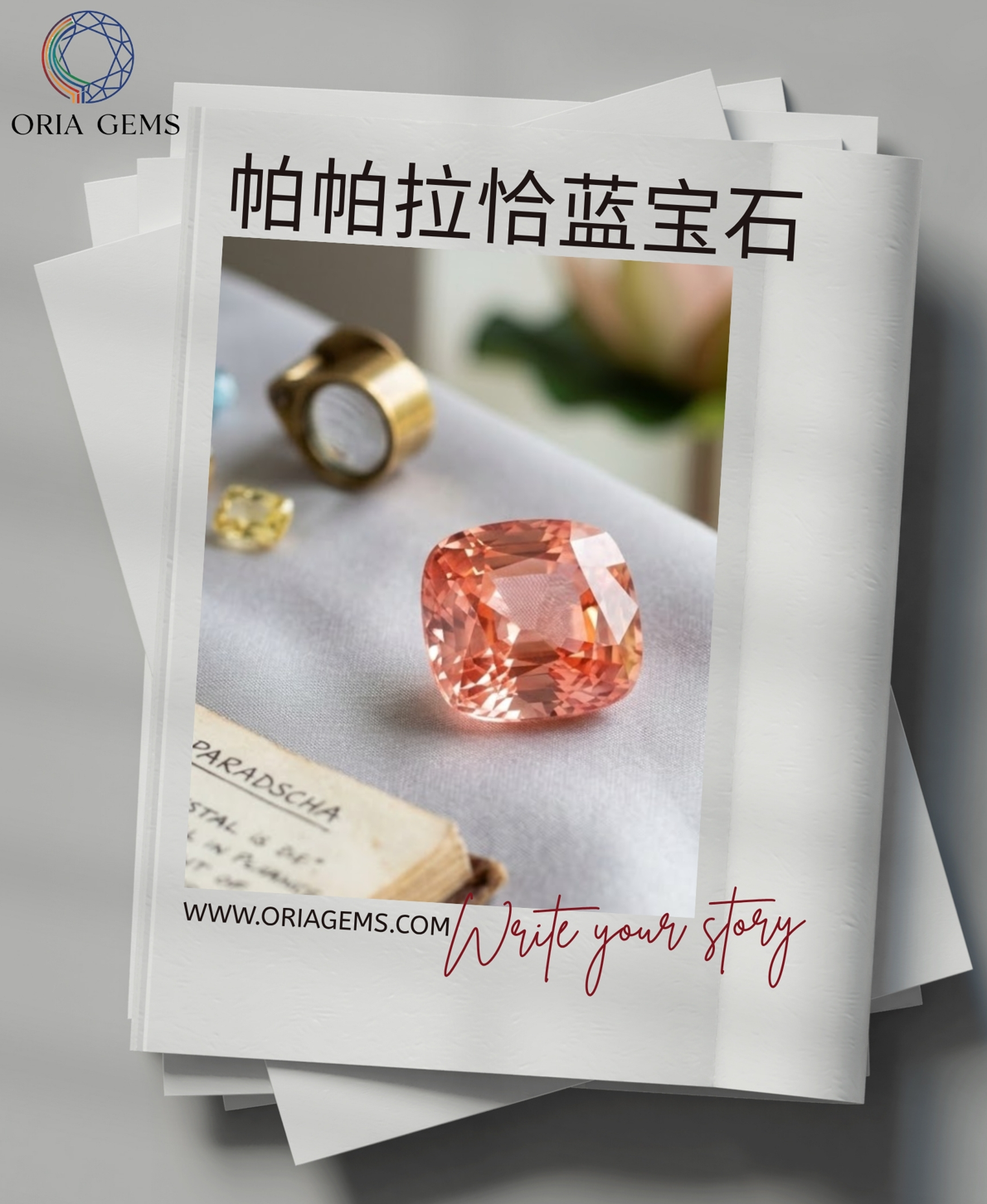
2026年,市场对帕帕拉恰蓝宝石(Padparadscha)的需求激增,这是一种几乎仅在斯里兰卡发现的稀有粉橙色品种。此外,“可追溯性”成为新的奢华标准;买家希望确切知道他们的宝石产自哪个矿区。
保养您的锡兰蓝宝石
维护建议
l 蓝宝石非常坚韧,莫氏硬度为9(仅次于钻石)。保持其闪耀的方法:
l 将其浸泡在温肥皂水中(使用温和的洗洁精)。
l 用软毛牙刷轻轻刷洗。
l 冲洗干净并用无尘布擦干。
常见误区澄清
误区: “所有蓝宝石都经过热处理。”
事实: 虽然热处理是优化颜色的常见手段,但最珍贵的锡兰宝石是完全“无烧”的。
误区: “蓝宝石是摔不坏的。”
事实: 尽管硬度很高,但如果以特定角度撞击坚硬表面,仍可能产生崩口。请以对待一颗拥有亿年历史珍宝应有的尊重来对待它。
Reference:
Sotheby’s: Ceylon Sapphires: A Detailed Guide for Collectors and Enthusiasts https://www.sothebys.com/en/articles/ceylon-sapphires-a-detailed-guide-for-collectors-and-enthusiasts
(Source for: Historical significance, "Cornflower" vs. "Royal Blue," and auction/investment data.)
Sri Lanka Export Development Board: Ceylon Sapphires - Blue Sapphire and Padparadscha https://www.srilankabusiness.com/gem-diamond-and-jewellery/about-sri-lanka-gems/ceylon-sapphire.html
(Source for: Official regional mining data, "Ratna Dweepa" history, and technical variety descriptions.)
GIA (Gemological Institute of America): Sapphire Quality Factors https://www.gia.edu/sapphire/quality-factors
(Source for: Hardness (Mohs scale), clarity standards, and professional care/maintenance tips.)
Larsen Jewellery: Ceylon Sapphires: A Guide From a Jeweller https://www.larsenjewellery.com.au/blog/ceylon-sapphires
(Source for: Choosing ring settings, comparison with other sapphires, and artisanal mining practices.)
Ceylons Munich: Global Sapphire Market Analysis & Investment Guide https://www.ceylons.de/blog-en/global-sapphire-market-analysis-investment-guide
(Source for: 2025-2026 market trends, price appreciation, and traceability/ethical sourcing.)