
Gem cutting is an ancient craft that transforms rough stones into dazzling gems. Sri Lanka is a leader in this art. The island is famous for its rich history in the gemstone industry. It is especially known for its stunning Ceylon sapphires.
Sri Lankan lapidaries are masters of their craft. They blend traditional techniques with modern technology to enhance gemstone brilliance. The process of gemstone cutting is intricate. It involves: planning, cleaving, bruting, polishing, and faceting. Each step requires precision and skill.
So, the Sri Lankan gem cutters are celebrated for their ability to maximize a stone's beauty and value. Their work is a testament to the island's dedication to craftsmanship.
This article of Oria Gems helps to explore how Sri Lankan lapidary enhances gemstone brilliance. Discover the unique skills and traditions that make Sri Lanka a gemstone hub.
The Legacy of Sri Lanka in the Gemstone Industry
Sri Lanka's gem industry has a storied history. The island is often called the "Jewel Box of the Indian Ocean."
Renowned for its high-quality Ceylon sapphires, Sri Lanka offers a wide variety of gemstones. These include rubies, garnets, and cat's eyes.
The island's geological diversity contributes to this gemstone wealth. Unique conditions have nurtured a vast array of precious stones.
Historically, Sri Lanka supplied gemstones to royalty around the world. This rich legacy is evident in their continued popularity today.
In modern times, the gemstone industry plays a crucial role in Sri Lanka's economy. It supports local communities and exports treasure worldwide.
Key aspects of Sri Lanka's gemstone legacy include:
l Centuries-old mining traditions
l High-quality gemstone deposits
l Esteemed international reputation
l Diverse range of gemstones
l Ongoing innovation in gem cutting
Sri Lankan lapidaries often begin training young, ensuring skills are passed through generations. As a result, their expertise remains world-class.
International jewelers and designers frequently seek Sri Lankan gemstones. They are drawn by their unparalleled clarity and vibrant hues.
The island's commitment to quality and authenticity cements its place in the global market. The legacy of Sri Lankan gemstones endures as a beacon of brilliance.
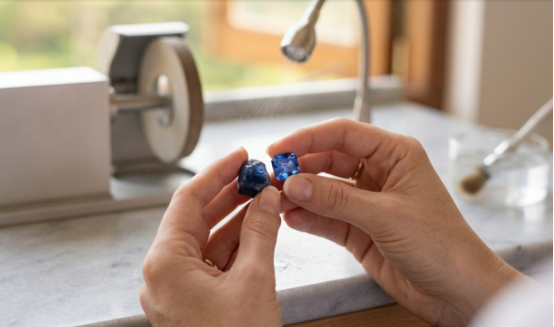
Understanding Lapidary Art: The Science and Skill Behind Gemstone Cutting
Lapidary art is both a science and an art. It involves the transformation of raw stones into stunning gems.
The process begins with an understanding of the stone's unique structure. This knowledge guides every cut and polish.
Gemstone cutting demands precision. Each facet must be perfect to maximize light reflection and enhance brilliance.
The science lies in angles and symmetry. Proper alignment can significantly boost a stone's visual appeal.
Lapidaries use a combination of traditional skills and modern technology. This fusion results in gems with unmatched beauty and value.
Key components of gemstone cutting include:
l Planning the cut to enhance the stone's features
l Cleaving and cutting to shape the stone
l Bruting to refine the gem's outline
l Polishing for smooth, shiny surfaces
l Faceting to add sparkle and depth
Experienced cutters make deliberate choices at every stage. Decisions impact the gem's appearance and durability.
Each gemstone presents its own challenges. Lapidaries must adapt their approach based on the stone's characteristics.
These artisans hone their craft over years of practice. Their skills breathe life into dull stones, revealing hidden splendor.
Lapidary art requires both analytical and creative abilities. It's a dance between technique and vision.
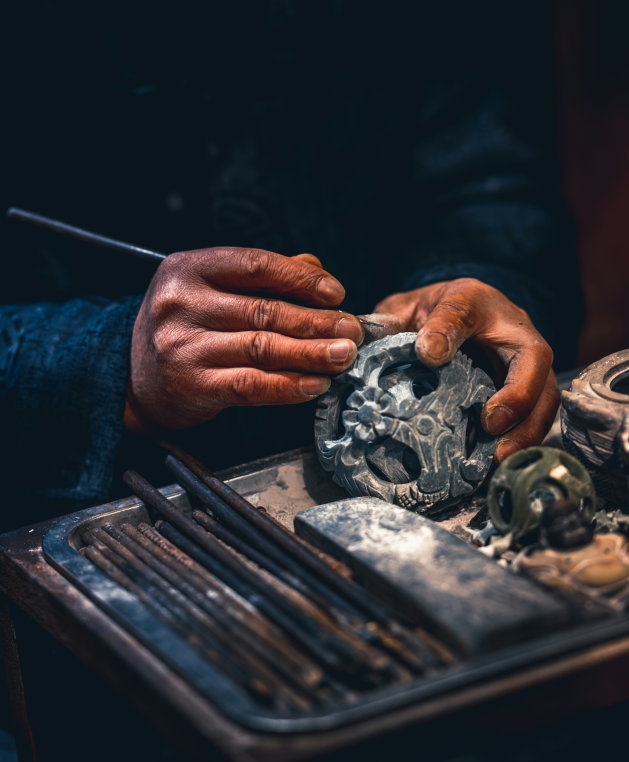
by Quan-You Zhang (https://unsplash.com/@cajeo)
The Sri Lankan Approach: Tradition Meets Innovation
Sri Lankan lapidary is a blend of age-old techniques and cutting-edge technology. This fusion elevates gemstone cutting to an art form. The country's rich traditions provide a strong foundation for innovation.
Generations of cutters have handed down their knowledge. This cultural heritage forms the backbone of the Sri Lankan gemstone industry. Traditional methods ensure authenticity and continuity in craftsmanship.
Innovation plays a key role in contemporary Sri Lankan lapidary. Modern machinery complements skilled hands, enhancing precision and efficiency. New technologies enable novel cuts and finishes that were once impossible.
Adapting to market demands, Sri Lankan lapidaries continue to explore new possibilities. They create unique cuts and styles, attracting attention worldwide. This adaptability keeps Sri Lanka at the forefront of the gemstone industry.
Key aspects of the Sri Lankan approach include:
1. Preserving traditional techniques while embracing technological advances
2. Focusing on precision and detail to enhance gemstone quality
3. Encouraging continuous learning and development within the industry
4. Collaborating with international designers for fresh perspectives
The result is a vibrant industry respected globally for quality and innovation. Sri Lankan lapidaries have mastered the balance between honoring the past and looking to the future. Their work transforms raw gemstones into items of exquisite beauty.
by Morgan Nott (https://unsplash.com/@morgannott)
The Journey from Rough Stone to Dazzling Gem
Transforming a rough stone into a dazzling gem is a meticulous process. This journey involves several stages, each essential for the final product. Sri Lankan lapidaries excel in this intricate craft.
l The first step is planning. Gem cutters evaluate the raw stone's potential. They consider the stone's shape, size, and flaws to determine the best cut. This initial stage sets the foundation for the ensuing transformation.
l Next is cleaving, where the rough gem is split. This step requires expert precision to avoid damaging the stone. It ensures that the gem retains maximum weight and quality.
l Following cleaving, the gem undergoes bruting. Bruting shapes the stone into a rough outline of its final form. This stage prepares the gemstone for the more detailed work of faceting.
l Faceting and polishing are the final steps in creating a stunning gemstone. Faceting involves cutting precise angles on the stone to maximize light reflection. Polishing then smoothens these facets, ensuring the gem shines brilliantly.
Each step is very important. Skilled Sri Lankan lapidaries transform raw stones into alluring gems with precision and care.
by Meizhi Lang (https://unsplash.com/@meizhilang)
Ceylon Sapphire: The Crown Jewel of Sri Lankan Lapidary
Ceylon sapphires are world-renowned for their brilliant blue hue and exceptional clarity. These precious gems are treasures of Sri Lanka, where rich geological conditions yield superior sapphires. Their unique qualities make them standout favorites in the gemstone industry.
The allure of Ceylon sapphires is not only in their color but also in their historical significance. Throughout the ages, they have adorned crowns and jewels in royal collections worldwide. This prestige enhances their desirability and value in the gemstone market.
Sri Lankan lapidaries possess unmatched expertise in cutting these exquisite stones. Using their skills, they amplify the natural beauty of Ceylon sapphires, maximizing both brilliance and value. Their craftsmanship transforms each raw stone into a dazzling masterpiece.
Ethical Sourcing and Sustainable Practices in Sri Lankan Gem Cutting
Ethical sourcing is central to the Sri Lankan gemstone industry. Careful measures are in place to ensure that the gems are mined without exploiting workers or harming the environment. This approach aligns with global standards of ethical gemstone trading.
Sri Lanka's dedication to sustainability in gemstone cutting includes innovative techniques that minimize waste. By carefully planning each cut, lapidaries preserve as much of the raw gemstone as possible. This not only respects natural resources but also improves the yield.
Transparency is key in sustainable practices. The industry is committed to providing clear documentation about the origins and journey of each gemstone. This ensures trust and confidence among international buyers and collectors.
Key aspects of Sri Lanka's ethical and sustainable practices include:
Responsible mining: Protecting workers' rights and the environment
Waste reduction: Efficient cutting techniques to preserve gemstones
Transparency: Clear documentation and traceability
The Global Impact: Sri Lankan Gemstones in the World Market
Sri Lankan gemstones hold a special place in the global market. These gems are renowned for their quality and vibrant colors, making them highly sought after worldwide. Collectors and designers alike appreciate the superior craftsmanship of Sri Lankan lapidaries.
The export of gems significantly contributes to the national economy. Sri Lanka's gemstone industry not only supports local livelihoods but also bolsters international trade relationships. The country's dedication to excellence is evident in its expanding market share.
Sri Lankan gemstones feature prominently in high-profile jewelry auctions and exhibitions. This visibility highlights their value and the island's long-standing reputation in the gemstone industry. Buyers are drawn to the unique beauty and authenticity of these stones.
Frequently Asked Questions About Sri Lankan Lapidary Art
Sri Lankan lapidary art is steeped in tradition and precision. Many people have questions about this fascinating craft, and here are some quick answers.
Q: Why is Sri Lankan lapidary so renowned?
A: The mix of age-old techniques and modern innovations sets it apart globally.
Q: What gemstones are commonly cut in Sri Lanka?
A: Ceylon sapphires, Semiprecious gemstones, Rubies
Q: How does lapidary art contribute to the gemstone's value?
A: The expertise in cutting enhances brilliance, thus increasing the gemstone's market value.