Introduction
In the mesmerizing world of gemstones, sapphires stand out not only for their iconic blue hues but also for a vibrant spectrum of other colors, collectively known as fancy sapphires. Among these, those originating from Sri Lanka, historically known as Ceylon, hold a special allure. Ceylon sapphires are celebrated for their exceptional clarity, brilliance, and a kaleidoscope of colors that includes captivating yellows, romantic pinks, and regal purples. This comprehensive guide delves into the unique characteristics, origins, and appeal of these exquisite fancy Ceylon sapphires, offering insights for both seasoned collectors and new enthusiasts.
The Allure of Yellow Ceylon Sapphires
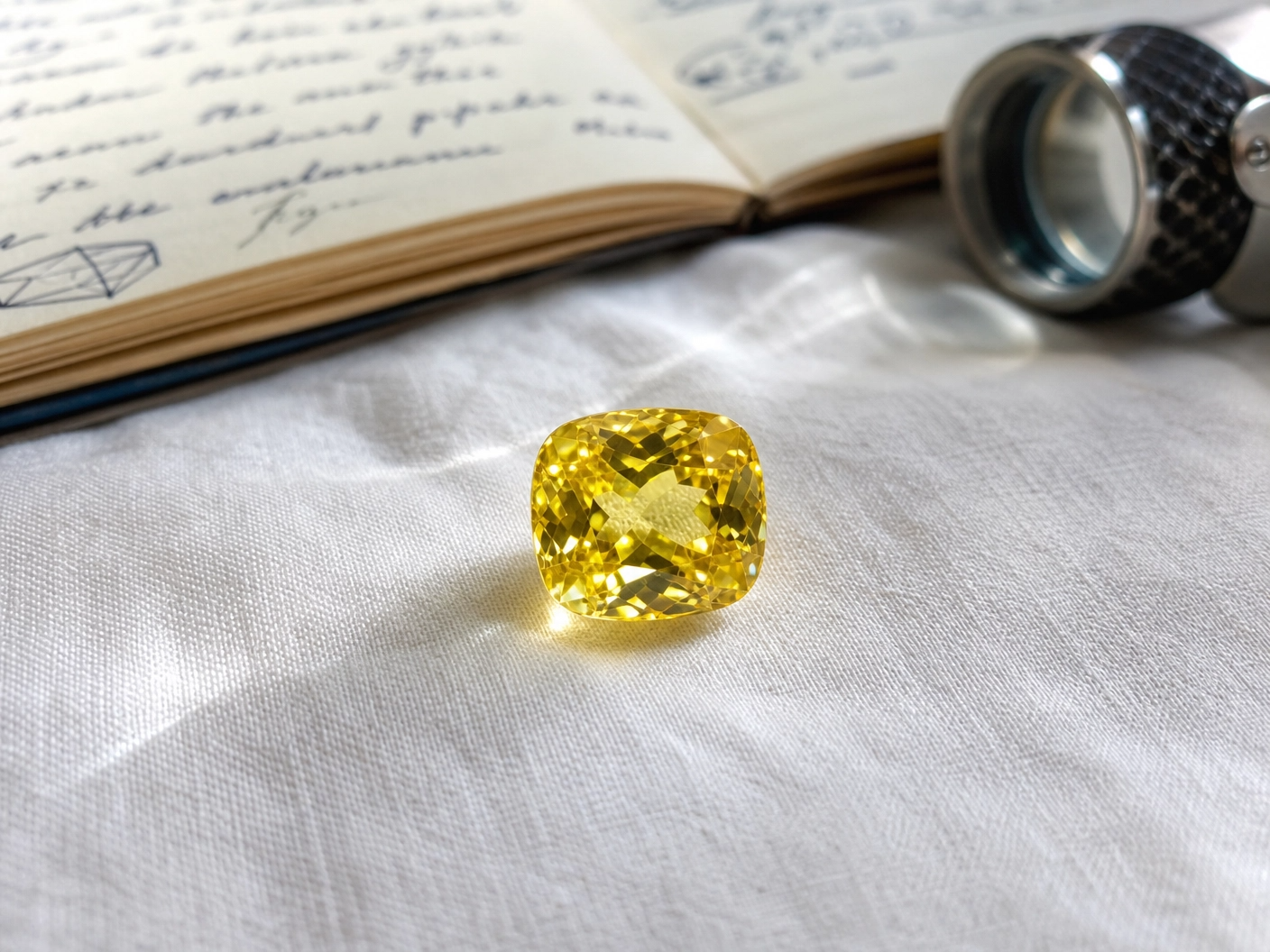
Yellow sapphires from Ceylon are a beacon of sunshine, radiating warmth and cheer. Their color palette ranges from delicate pastel yellows to intense, vivid canary yellows. The most prized yellow sapphires exhibit a pure, vibrant medium yellow with excellent saturation. These gems are often associated with prosperity and wisdom, making them a popular choice for those seeking both beauty and symbolic meaning [1].
Unlike some other sapphire colors, yellow sapphires frequently boast fewer inclusions, contributing to their remarkable clarity. This characteristic allows for exceptional brilliance, as light can travel through the stone unimpeded, creating a dazzling display. While yellow sapphires are found in various global locations, Sri Lanka remains the primary source for the finest quality, untreated yellow sapphires, often displaying a superior clarity and a desirable lack of secondary color tones [1].
The Romantic Charm of Pink Ceylon Sapphires
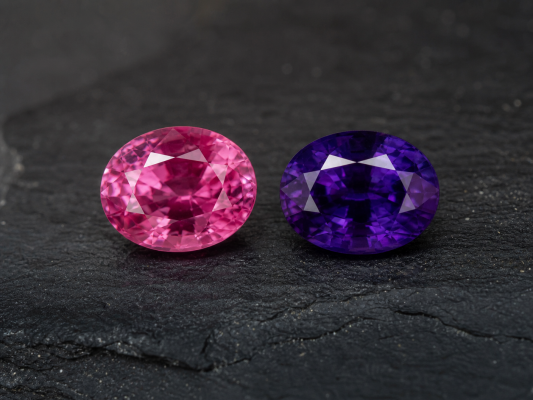
Pink sapphires from Ceylon evoke a sense of romance, tenderness, and sophistication. Their shades span from soft, delicate rose pinks to vibrant, intense fuchsia. The appeal of pink sapphires has surged in recent years, making them a highly sought-after alternative to pink diamonds, offering comparable beauty at a more accessible price point. These gems are often chosen for engagement rings and other significant jewelry pieces due to their feminine charm and symbolic association with love and compassion [2].
Ceylon pink sapphires are particularly admired for their pure pink hues, often without the brownish or purplish modifiers seen in stones from other origins. Their natural brilliance and often excellent clarity contribute to their captivating sparkle. The rarity of intensely saturated, unheated pink Ceylon sapphires makes them particularly valuable to collectors.
The Regal Splendor of Purple Ceylon Sapphires
Purple sapphires, often overlooked in favor of their more famous blue and pink counterparts, possess a unique and captivating beauty. Ceylon purple sapphires exhibit a range of hues from delicate lavender to deep, rich violet. These gems are a testament to nature's artistry, often displaying a fascinating interplay of red and blue tones that contribute to their complex and alluring color [2].
Purple sapphires are gaining recognition for their distinctiveness and elegance. They offer a sophisticated alternative for those seeking a gemstone that stands apart from the traditional. The finest purple Ceylon sapphires boast strong to vivid color saturation and excellent clarity, making them truly regal additions to any jewelry collection. Their unique color can also be influenced by lighting, with some exhibiting a subtle color change phenomenon, adding to their mystique.
The Ceylon Advantage: What Makes Them Special?
Sri Lanka's geological history has blessed it with an abundance of high-quality gemstones. The island's ancient Precambrian rock formations provide the ideal conditions for the formation of corundum, the mineral family to which sapphires belong. This unique environment has allowed Sri Lanka to consistently produce sapphires of exceptional quality, renowned for their clarity, brilliance, and diverse color range [3].
One of the most significant factors contributing to the value of Ceylon sapphires is their natural origin and often minimal treatment. While many sapphires on the market undergo heat treatment to enhance their color and clarity, unheated Ceylon sapphires are particularly prized. These natural wonders retain their inherent beauty, shaped purely by geological processes, and command a premium in the market. Certification from reputable gemological laboratories like the GIA (Gemological Institute of America) and SSEF (Swiss Gemmological Institute) is crucial for confirming origin and treatment status, providing assurance of a sapphire's authenticity and value [3].
Factors Influencing Value: The 4 Cs and Beyond
When evaluating fancy Ceylon sapphires, the universally recognized
4 Cs (Color, Clarity, Cut, and Carat Weight) are paramount. However, for fancy sapphires,Color often takes precedence.
• Color: For yellow sapphires, a vibrant, medium canary yellow with strong saturation is most desirable. For pink sapphires, pure pinks without secondary hues are highly valued. Purple sapphires are prized for their rich, saturated violet tones. The evenness of color distribution is also critical.
• Clarity: While sapphires generally have some inclusions, those with fewer and less noticeable inclusions are more valuable. Yellow sapphires, in particular, are held to a higher clarity standard due to their lighter tone [1].
• Cut: A well-executed cut maximizes a sapphire's brilliance and color. Ceylon sapphires are often found in traditional oval or cushion cuts, which are ideal for showcasing their color and sparkle. The cut should also consider the stone's pleochroism (different colors when viewed from different angles) to present the most appealing hue [2].
• Carat Weight: As with all gemstones, larger sapphires are rarer and thus command higher prices per carat, especially when combined with exceptional color, clarity, and cut.
Beyond the 4 Cs, origin (Ceylon/Sri Lanka) and treatment status (unheated vs. heated) significantly impact value. Unheated sapphires, particularly those with vivid natural colors, are considerably more valuable due to their rarity and untouched beauty [3]. Certification from a reputable gemological laboratory is essential to verify these factors.
Caring for Your Fancy Ceylon Sapphires
Sapphires are renowned for their durability, ranking 9 on the Mohs scale of hardness, second only to diamonds. This makes them an excellent choice for everyday wear in various jewelry settings. However, proper care is still essential to maintain their brilliance and longevity.
• Cleaning: Clean your sapphire jewelry regularly with mild soap and warm water, using a soft brush to gently remove dirt and oils. Ultrasonic cleaners are generally safe for sapphires, but it's always best to consult with a jeweler, especially for stones with inclusions or fractures.
• Storage: Store sapphire jewelry separately from other pieces to prevent scratching, as sapphires can scratch softer gemstones and metals. A soft pouch or a fabric-lined jewelry box is ideal.
• Avoid Harsh Chemicals: Exposure to harsh chemicals, such as household cleaners, chlorine, and perfumes, can damage the metal settings and dull the sapphire's luster. Remove your jewelry before engaging in activities that involve such substances.
• Professional Check-ups: Periodically have your sapphire jewelry inspected by a professional jeweler to ensure settings are secure and to address any potential issues.
Conclusion
Fancy Ceylon sapphires, with their captivating yellow, pink, and purple hues, offer a remarkable alternative to the traditional blue. Their unique beauty, combined with Sri Lanka's rich gemological heritage and the rarity of unheated specimens, makes them highly sought-after treasures. Whether you are drawn to the sunny disposition of a yellow sapphire, the romantic allure of a pink, or the regal depth of a purple, these gemstones promise to add a touch of extraordinary elegance and personal expression to any collection. As you explore the world of fancy sapphires, remember the importance of fancy sapphires, yellow sapphire, pink sapphire, and Ceylon sapphire colors in making an informed choice that resonates with your individual style and appreciation for natural beauty.
References
[1] The Natural Sapphire Company. "Yellow Sapphires." The Natural Sapphire Company, https://www.thenaturalsapphirecompany.com/education/sapphire-colors-varieties/yellow-sapphires/.
[2] GIA. "Sapphire Quality Factors." Gemological Institute of America (GIA), https://www.gia.edu/sapphire-quality-factor.
[3] Sotheby's. "Ceylon Sapphires: A Detailed Guide for Collectors and Enthusiasts." Sotheby's, 5 May 2026, https://www.sothebys.com/en/articles/ceylon-sapphires-a-detailed-guide-for-collectors-and-enthusiasts.