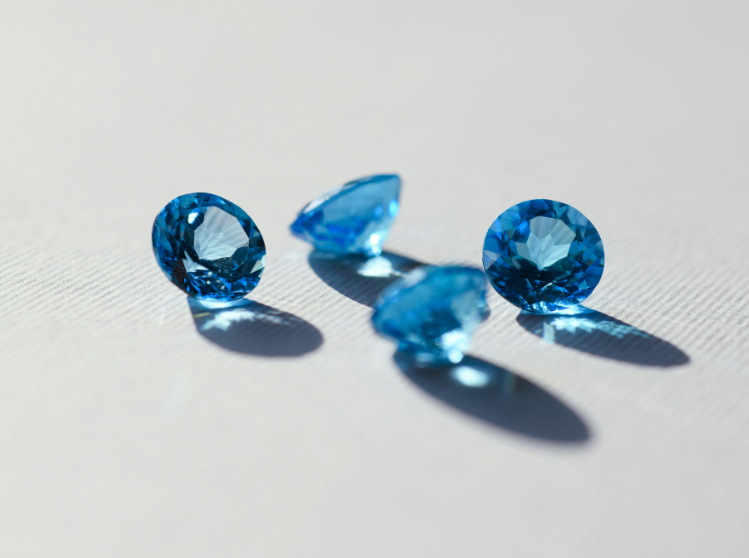
Gemstone certification is crucial for buyers seeking genuine gemstones. It provides an unbiased assessment of a gemstone's quality and authenticity.
Reports from leading labs like GIA, GRS, and Gübelin are highly respected. They offer detailed insights into a gemstone's characteristics and treatments.
These certifications help buyers avoid synthetic or treated stones sold as natural. They ensure the gemstone matches the seller's description.
Understanding these reports can significantly impact purchasing decisions. Certified gemstones often hold more value and are easier to resell.
Laboratory Institution | Laboratory Institution |
GIA (United States) | Standardized grading, massive field research |
GRS (Switzerland) | Luxury color terminology (Pigeon's Blood/Royal Blue) |
Gübelin (Switzerland) | Ultimate provenance, advanced inclusion analytics |
The Illusion of Clarity: Why Visual Inspection Fails
The contemporary colored gem market is structurally distinct from the diamond industry. While diamond grading follows strict geometric algorithms, colored stones are valued for their individual depth of color, internal structural phenomena, and geographical provenance.
Simultaneously, treatment technologies have advanced rapidly. Gem laboratories frequently encounter corundum subjected to high-temperature lattice diffusion, heavy fracture-healing using sodium tetraborate fluxes, or polymer resins that artificially enhance optical clarity (Hardman et al., 2024). Without state-of-the-art laboratory instrumentation—such as Laser-Ablated Inductively Coupled Plasma Mass Spectrometry (LA-ICP-MS) or Fourier-Transform Infrared (FTIR) Spectroscopy—differentiating a naturally flawless Royal Blue Sapphire from an expertly treated counterpart is nearly impossible (Xu, 2024).
What Is Gemstone Certification?
Gemstone certification is the process of evaluating a gemstone by a recognized laboratory. This evaluation authenticates the gemstone's natural origin and specific attributes. It is a critical step in ensuring gemstone authenticity.
These certifications involve a detailed analysis by expert gemologists. They assess various factors that determine a gemstone's value and quality. Here's what a certification typically covers:
1. Identification of gemstone species and variety
2. Analysis of any treatments or enhancements
3. Detailed evaluation of color, clarity, and cut
4. Verification of carat weight
Understanding these details aids buyers in making informed decisions. Certified gemstones come with a report number, enhancing trust and transparency.
Why Certification Matters for Buyers
Gemstone certification offers buyers peace of mind by confirming a gemstone's authenticity. With certification, buyers can avoid counterfeit or treated stones often misleadingly sold as natural.
Certified gemstones typically hold more value. They are easier to resell, assuring potential buyers of their quality and authenticity. For significant investments, this assurance is invaluable.
Certification also impacts the pricing of gemstones. Buyers can be sure they are paying a fair price based on unbiased assessments. Key features included in reports are:
l Origin and type of the gemstone
l Any enhancements or treatments
l Detailed characteristics and value metrics
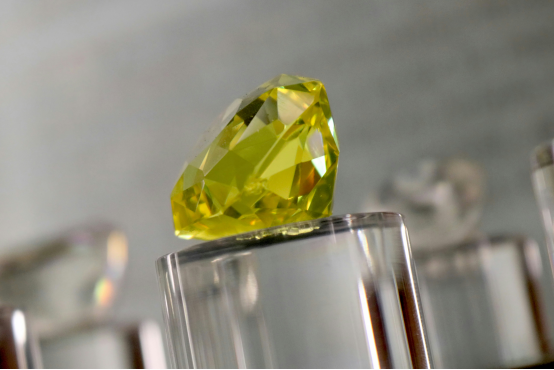
by Danielle-Claude Bélanger (https://unsplash.com/@dcbelanger)
Purchasing certified gemstones enhances the overall buying experience with transparency and trust. Buyers gain confidence from knowing their investment is protected.
Overview of Leading Gemstone Laboratories: GIA, GRS, and Gübelin
Three prominent laboratories dominate the gemstone certification field: GIA, GRS, and Gübelin. These institutions set the industry standard for gemstone authenticity and quality checks.
The Gemological Institute of America (GIA) is renowned for its rigorous processes. It plays a leading role in gemstone education and is trusted globally. Known for detailed grading and transparent reports, GIA remains a preferred choice for many.
GemResearch Swisslab (GRS) excels in the certification of colored gemstones. Their expertise in determining the origin and treatment of stones sets them apart. GRS certifications are particularly valued for rubies and sapphires.
Gübelin Gem Lab stands out with its high standards and focus on provenance. They offer in-depth insights into a gemstone's history. Gübelin reports provide detailed descriptions, enhancing buyer knowledge.
Key aspects of each lab:
ü GIA: Comprehensive grading and reporting
ü GRS: Expertise in colored gemstones
ü Gübelin: Provenance and detailed characteristics
Each lab brings unique strengths, ensuring confidence in gemstone certification. Buyers can rely on their solid reputation and thorough analysis.
GIA Reports: The Global Vanguard of Colored Stone Grading
Founded in 1931, the Gemological Institute of America (GIA) is widely recognized as the world’s leading authority on gemology. The GIA report is a benchmark for gemstone certification. Renowned for its accuracy, this report outlines critical aspects of any gem. Buyers trust GIA's impartial analysis and detailed grading system.
Each GIA report includes comprehensive details about a gemstone. It covers aspects such as cut, color, clarity, and carat weight(4Cs). Additionally, the report may indicate whether treatments have been applied. This ensures that buyers know exactly what they are purchasing.
The breakdown in a GIA report helps determine a gem's value. By understanding these elements, buyers can make educated decisions. The institute relies on an international field gemology program that gathers verified mineral specimens directly from mine faces across six continents (Groat et al., 2019). When you hold a GIA certificate for a colored stone, it offers:
u Cut, clarity, and color grading
u Carat weight
u Treatment disclosure
u Unique report number for verification
GIA reports enhance trust between buyers and sellers. They are an essential tool for ensuring fair transactions in the gemstone market.
GRS Reports: The Authority on Master-Color Branding
For fine colored stones, the Gemresearch Swisslab (GRS), founded by Dr. Adolf Peretti in 1996, is considered by many international auction houses to be the gold standard for rubies and sapphires. GRS reports play a vital role in verifying colored gemstones. Known for their expertise in rubies and sapphires, GRS provides detailed insights. Their reports focus on origin and treatment aspects of gems.
A GRS report offers a comprehensive view of a gemstone's characteristics. This includes information such as the gemstone's geographical origin. Understanding these details aids buyers in assessing a gem's true worth.
GRS's rigorous standards help identify gemstone treatments. Such transparency prevents unintentional purchases of treated stones. Key features of a GRS report often include:
l Geographic origin
l Presence of treatments
l Gem characteristics
l Expert authentication
Investing in a gemstone with a GRS report increases buyer confidence. It assures the authenticity and value of the purchase, protecting long-term investment.
Gübelin Lab Reports: What Sets Them Apart
Gübelin Gem Lab stands out for its dedication to gemstone provenance. Their reports provide detailed descriptions and any gemstone treatments. This lab is respected for maintaining high analysis standards worldwide.
Each Gübelin report covers various aspects of the gemstone. Reports include insights into the gem's characteristics. This helps buyers determine the stone's unique features.
Gübelin goes beyond simple authentication. The lab emphasizes transparency regarding the gem's history. Key components of a Gübelin report might include:
l Gemstone characteristics and enhancements
l Historical provenance
l Detailed descriptions
l High-standard analysis

by Deng Xiang (https://unsplash.com/@dengxiangs)
Their reports ensure informed purchasing decisions. Buyers gain confidence knowing the gem's authenticity and heritage. This peace of mind is invaluable when investing in high-value gemstones.
How to Read and Verify a Gemstone Lab Report
Understanding a lab report can be daunting. However, knowing key details helps you verify authenticity. Look for the report's unique identification number.
Each report should detail the gem's properties. Check for information on cut, color, and clarity. The carat weight should also be clearly listed.
Verifying the report's authenticity is crucial. You can cross-check with the lab's online database. Critical elements of verification include:
Report number
Gem's specifications
Lab's online verification database

by Testeur de CBD (https://unsplash.com/@testeurdecbd)
Confirming these details ensures the gemstone is accurately represented. This verification step provides peace of mind and adds value. Ensuring the report is genuine protects your investment.
Certified Blue Sapphires: A Case Study
Blue sapphires are prized for their beauty and rarity. Certification is crucial due to frequent treatments and enhancements. A certified sapphire guarantees natural quality.
Consider a buyer who purchases a certified blue sapphire. They benefit from:
Verified authenticity
Higher resale value
Assurance of natural characteristics
Certification provides peace of mind. It ensures the sapphire meets high standards. Such assurance boosts confidence in purchasing decisions.
Tips for Buyers: Ensuring Gemstone Authentication and Value
Navigating the world of gemstones requires informed decisions. First, insist on a certification report from a reputable lab. This report serves as evidence of the gemstone's authenticity.
Do your research before making a purchase. Understanding market trends and certification terms can prevent costly mistakes. Consider these tips:
l Always ask for a certificate from GIA, GRS, or Gübelin.
l Verify the certificate number online.
l Compare similar gemstones to gauge value.
Making informed choices protects your investment and enhances the buying experience.
Conclusion: The Value of Gemstone Certification
Gemstone certification provides buyers with essential peace of mind. These reports authenticate and establish the value of precious stones.
Choosing certified gemstones ensures a genuine investment backed by trusted authorities. With certificates from GIA, GRS, and Gübelin, buyers can confidently navigate the complex gemstone market.
References
1. Groat, L. A., Giuliani, G., Stone-Sundberg, J., Sun, Z., Renfro, N. D., & Palke, A. C. (2019). A Review of Analytical Methods Used in Geographic Origin Determination of Gemstones. Gems & Gemology, 55(4). https://doi.org/10.5741/gems.55.4.512
2. Hardman, M. F., Homkrajae, A., Eaton-Magaña, S., Breeding, C. M., Palke, A. C., & Sun, Z. (2024). Classification of Gem Materials Using Machine Learning. Gems & Gemology, 60(3), 306-329. https://doi.org/10.5741/gems.60.3.306
3. Kane, R. E., Boehm, E. W., Overlin, S. D., Dirlam, D. M., Koivula, I., & Smith, C. P. (2005). A Gemological Pioneer: Dr. Edward J. Gübelin. Gems & Gemology, 41(4), 298-327. https://doi.org/10.5741/gems.41.4.298
4. Xu, W. (2024). Modernization and Automation of Gemological Testing: Harnessing the Power of Laser-Induced Spectroscopy for Raman, Photoluminescence, and Photoluminescence Lifetime Analysis. Pulsed Laser Processing of Materials. https://doi.org/10.5772/intechopen.1004413